

 EN

solving-energy-loss-in-focused-shockwave-therapy-applicators, solving-energy-loss-in-focused-shockwave-therapy-applicators, /blog
EN
Energy loss in an applicator can make treatment delivery inconsistent, even when a focused shockwave therapy system appears to be operating normally. The first step is to separate energy generation from energy transfer: inspect the focused shockwave device, its contact interface, settings, and operating conditions before assuming a major component has failed.
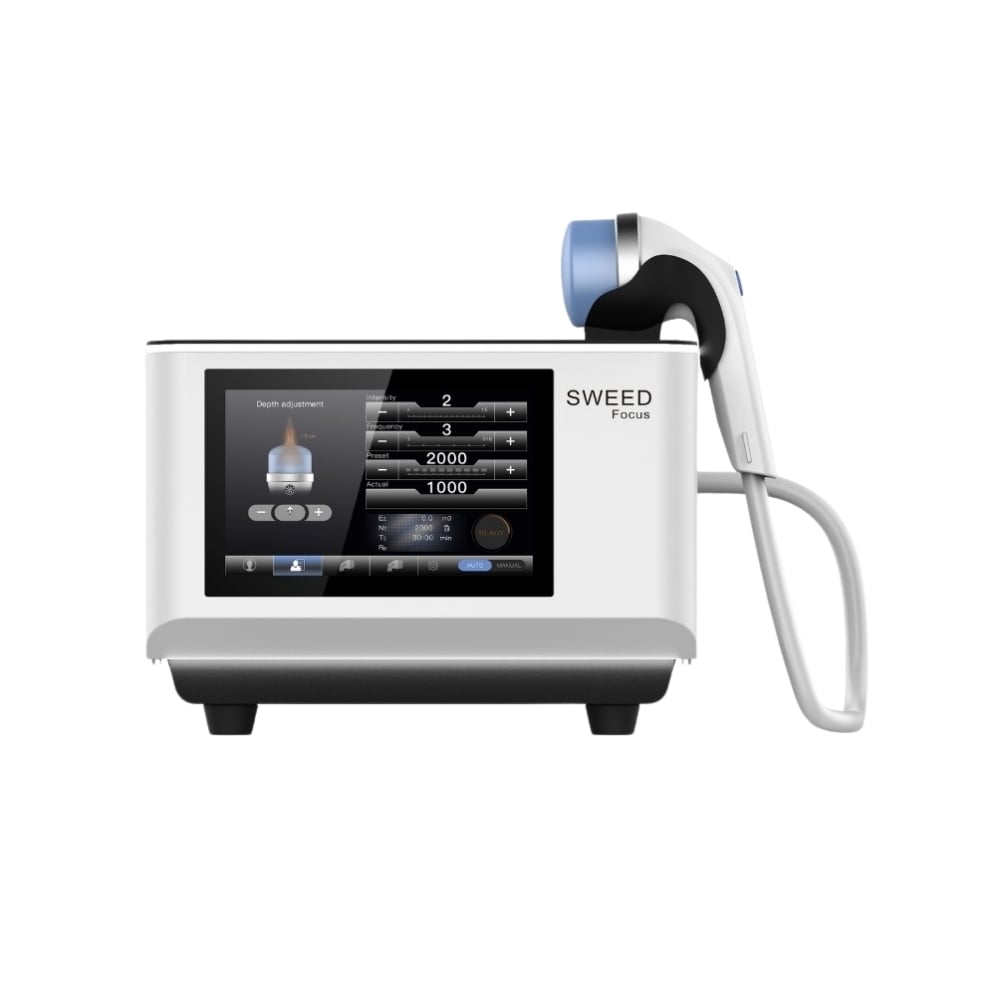
A useful investigation follows the path from the control unit to the applicator and then into the treatment area. Understanding how extracorporeal shockwave energy is generated and transferred helps teams identify avoidable losses, document repeatable checks, and protect treatment consistency in orthopedic rehabilitation.
Energy loss may appear as a change in treatment sensation, reduced consistency between sessions, or an output that does not seem to match the selected setting. These observations do not prove that a focused shockwave therapy applicator is defective. Record the operating level, pulse frequency, treatment duration, applicator used, and any visible changes so the focused shockwave device can be assessed against a clear baseline.
Distinguish a perceived change from a measured change. Patient feedback can guide a check, but it is not a substitute for the system’s approved verification method. In extracorporeal shockwave operation, the applicator, coupling medium, and tissue contact all influence transfer, while orthopedic rehabilitation protocols may also vary by treatment site and practitioner technique.
Start at the power supply and user interface, then check the cable, connectors, applicator housing, and treatment head for damage, looseness, contamination, or unusual heat. A focused shockwave device should be inspected according to its service instructions; do not open energized equipment or bypass interlocks. A focused shockwave therapy concern can stem from a connection issue rather than a failed energy source.
Next, confirm that the selected applicator and settings match the intended procedure. Inspect the treatment surface for wear, deposits, cracks, or a poor fit, and verify that the consumable or contact component is installed correctly. Since extracorporeal shockwave delivery depends on a complete transmission path, a small interface fault may reduce consistency without creating an obvious system error.
Air gaps between the treatment head and skin can interfere with energy transfer. Apply the approved coupling medium in an even layer, maintain stable contact, and avoid trapping air as the applicator is positioned. In orthopedic rehabilitation, differences in skin preparation, treatment angle, and pressure can change the interface, so the focused shockwave therapy workflow should define a consistent setup for each treatment area.
A focused shockwave device may also deliver inconsistently if the treatment head is angled, moved abruptly, or pressed with an unsuitable force. Follow the equipment instructions rather than compensating by increasing output. For extracorporeal shockwave procedures, controlled positioning makes it easier to distinguish a technique-related variation from a hardware or calibration concern.
Review the selected energy level, frequency, pulse count, and any focal-depth or applicator options available on the system. Confirm that the displayed values are appropriate for the prescribed protocol and that staff have not changed settings unintentionally. A focused shockwave therapy assessment is more useful when the same approved test conditions are used each time the focused shockwave device is checked.
Also consider operating conditions. Repeated use, inadequate cooling intervals where specified, a damaged cable, or an unstable power connection may prompt alarms or inconsistent operation. Check the user manual for environmental and duty-cycle requirements. During orthopedic rehabilitation, do not interpret a different patient response alone as proof of energy loss; first verify setup and device status using the manufacturer’s procedures.
A practical response begins with a stop-and-check decision: pause use if there is visible damage, an unusual sound or smell, a repeated fault message, or unexplained output variation. Record the serial or asset identifier, applicator, settings, symptoms, and checks completed. This gives technical support a useful history and prevents repeated, undocumented adjustments to a focused shockwave device.
If the interface and settings appear correct, use only the approved output verification method and tools. Compare results with the unit’s acceptance criteria, not with an informal impression from a previous treatment. Extracorporeal shockwave equipment may require qualified service for calibration or internal inspection. Keep the focused shockwave therapy applicator out of service when safe operation cannot be confirmed.
Create a brief pre-use inspection for connectors, treatment surfaces, cable condition, cleanliness, and control response. Add scheduled checks at the interval specified by the equipment documentation, and retain service records with test conditions and outcomes. This routine helps teams spot gradual changes in a focused shockwave device before they are confused with ordinary variation in treatment technique.
Staff training should cover coupling, positioning, parameter selection, cleaning, and escalation criteria. In orthopedic rehabilitation, consistent documentation of the treatment site and setup supports more meaningful review across sessions. A focused shockwave therapy process that separates clinical judgment from equipment verification makes troubleshooting safer and more efficient, without encouraging staff to compensate for suspected loss by selecting unapproved settings.
Finally, review patterns rather than isolated reports. Several concerns linked to one applicator, cable, or treatment room may point to a common cause, while reports across different equipment may indicate a training or setup issue. Keep corrective actions specific, confirm the result through an approved check, and communicate any service restrictions to everyone who may use the unit.
Yes. An uneven layer of coupling medium, trapped air, or unstable contact can affect transfer at the skin interface. Recheck setup before concluding that focused shockwave therapy output has changed, and use the approved device verification process when concerns continue.
Stop using it when there is visible damage, recurring fault messages, abnormal operation, or output that cannot be confirmed as safe. Follow site policy and the equipment instructions, document the issue, and request qualified service rather than opening the unit.
No. Patient response can vary with treatment site, setup, and clinical factors, including in orthopedic rehabilitation. Check settings, contact, and the applicator first, then use an approved verification method to assess equipment performance.

