

 EN

solving-heat-buildup-problems-inside-pemf-therapy-device-coils, solving-heat-buildup-problems-inside-pemf-therapy-device-coils, /blog
EN
Heat inside a coil is not automatically a fault, but excessive or uneven warmth can interrupt sessions, accelerate wear, and raise safety concerns. Solving heat buildup in a pemf therapy device starts with identifying where heat originates and which operating conditions intensify it. A methodical review is more useful than simply reducing output and hoping the issue disappears.
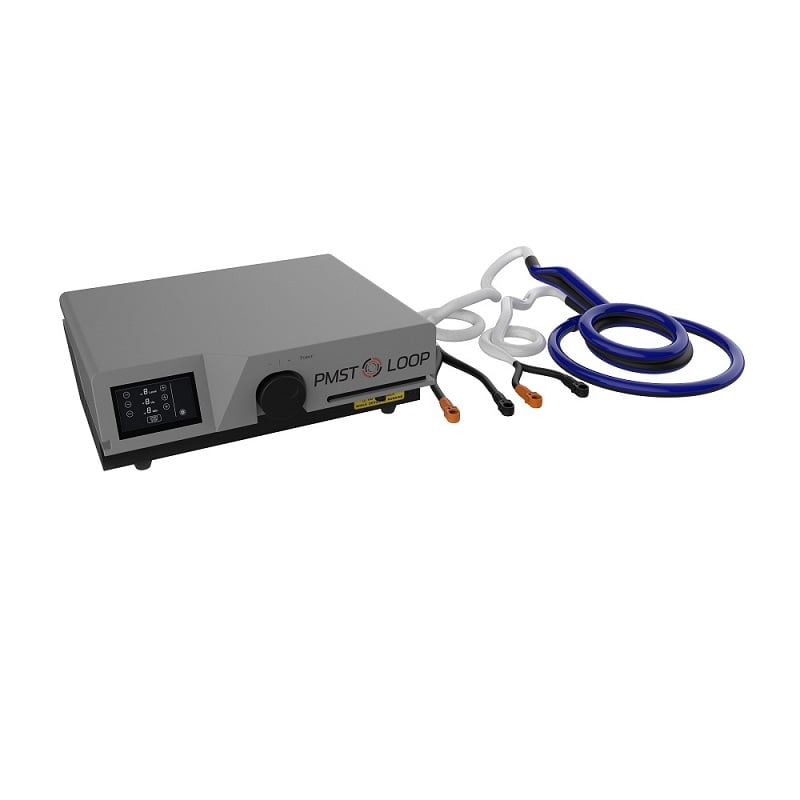
Coil temperature reflects electrical losses, duty cycle, ambient conditions, construction, and how the applicator is used. For teams responsible for pulsed electromagnetic field therapy, understanding these factors helps distinguish expected warming from a developing problem. The aim is to protect equipment and maintain consistent operation while following the device manufacturer’s operating limits and service guidance.
A coil can warm during regular operation because electrical energy is not converted entirely into the intended magnetic field. Resistance in the conductor and losses in nearby materials contribute to heat, especially during repeated pulses. In pulsed electromagnetic field therapy, the pulse pattern and time between sessions influence how much heat accumulates before the coil can cool.
Record when warming begins, how quickly it develops, and whether it is concentrated in one location. Compare observations across similar sessions, using only approved measurement methods and the temperature limits provided for the unit. A recovery therapy device that becomes warm gradually may behave differently from one with a rapidly heating connector, damaged insulation, or a localized hot spot.
Review the selected intensity, pulse frequency, session duration, and rest interval against the prescribed operating range. Higher demand or long continuous use can increase thermal load, while a warm room, restricted ventilation, or placement near another heat source can slow cooling. The pemf therapy equipment should be assessed under the actual conditions in which staff use it, not only in an ideal test area.
Also check whether the coil is fully connected and whether the cable is bent, strained, or trapped beneath other objects. Loose connections can create localized resistance, while damaged cables may produce inconsistent operation. Document each finding before changing settings; a clear baseline helps maintenance staff distinguish a recurring operating pattern from a sudden change that requires inspection.
Follow the operating schedule specified for the model rather than extending sessions to compensate for perceived results. Allow the stated rest periods between applications, and avoid stacking consecutive sessions when the device documentation requires cooling time. For pulsed electromagnetic field therapy, staff should understand how intensity, pulse pattern, and session length work together instead of treating one setting as the sole cause of heat.
Keep a session log that records settings, duration, room conditions, and coil temperature observations. If heat increases only after a particular sequence, compare that sequence with the manufacturer’s duty-cycle limits and revise workflow accordingly. Do not bypass thermal protection or alter electrical settings outside authorized procedures; those actions can conceal a fault rather than resolve it.
A recovery therapy device may be used by different operators across a shift, so handover notes matter. Clear records prevent the next user from unknowingly repeating a demanding cycle without adequate cooling. They also help technical support assess whether observed warmth is linked to workload, environment, or a component that needs attention.
Place the control unit and applicator according to the instructions, leaving ventilation openings unobstructed. Keep fabric, packaging, and other objects away from vents, and do not store a warm coil in an enclosed space. In pulsed electromagnetic field therapy rooms, a stable ambient temperature and clear airflow can help the equipment release heat between sessions.
Handle the coil without pulling its cable or tightly wrapping it while warm. Avoid placing it against insulating surfaces that trap heat unless the instructions specifically call for that arrangement. The pemf therapy equipment should be allowed to cool in its recommended position, with the cable relaxed and the applicator protected from impact or moisture.
Before use, visually inspect the coil housing, cable sheath, connector, and strain-relief points for cracks, discoloration, deformation, or looseness. Do not open sealed assemblies or attempt repairs without authorization. When a pemf therapy device develops a new odor, visible damage, intermittent output, or a hot spot, stop operation and follow the service procedure instead of continuing a session.
Keep inspection findings specific: note the location, timing, settings, and whether the issue recurs after cooling. A recovery therapy device with repeatable heating at the same connector may need technical evaluation even if the rest of the coil feels normal. Share the record with qualified service personnel so they can determine whether the issue involves a connection, winding, control behavior, or another component.
Routine cleaning and storage should follow the instructions for the model, because unsuitable liquids or aggressive handling can damage insulation and housing. Do not use a unit with compromised components until it has been assessed. For pulsed electromagnetic field therapy, preventive checks are most useful when they are consistent, documented, and tied to a defined escalation process.
If the coil repeatedly exceeds its stated temperature limit, or heat returns after normal cooling and approved settings, remove the equipment from service and contact authorized support. The pemf therapy equipment should return to use only after the cause has been addressed and any required checks are complete. This approach avoids treating recurring heat as an operator inconvenience when it may signal a technical fault.
Mild warming can occur during normal operation, depending on design and usage. Compare the temperature with the device guidance, and watch for sudden changes, localized hot spots, odor, damage, or unusual output. If those signs appear, stop and follow the service instructions rather than assuming the warmth is routine.
They can add thermal load, particularly when sessions run back-to-back or exceed the approved schedule. In pulsed electromagnetic field therapy, stay within stated duration and rest intervals, and record settings if warming changes. Do not compensate by modifying controls beyond authorized operating guidance.
Stop using it when heat is rapid, uneven, recurring beyond stated limits, or accompanied by visible damage, unusual odor, or inconsistent operation. Have qualified personnel assess the recovery therapy device and document the outcome. Resume only when the required inspection or repair is complete and the equipment is cleared for use.

