

 EN

solving-inconsistent-energy-delivery-in-shockwave-therapy-machines, solving-inconsistent-energy-delivery-in-shockwave-therapy-machines, /blog
EN
When energy delivery varies from session to session, clinicians may notice inconsistent patient feedback, treatment times, or response at the target area. A shockwave therapy machine can produce uneven output for several reasons, including settings, applicator condition, contact technique, and maintenance. Finding the cause requires a repeatable check rather than changing multiple variables at once.
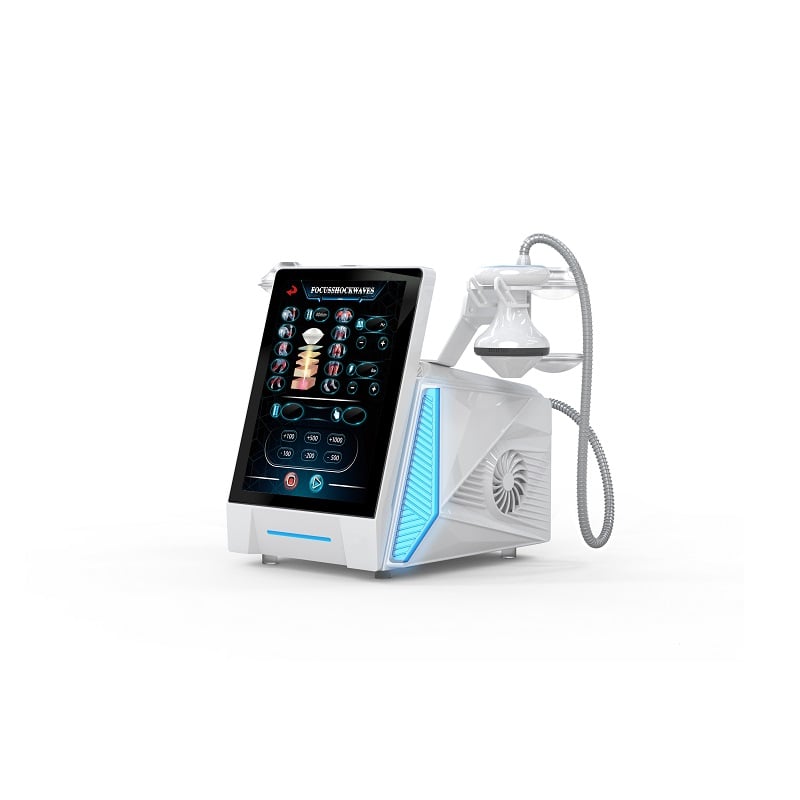
Start by confirming the treatment parameters, then inspect the handpiece, applicator, and patient contact before assessing service needs. Whether the system supports focused or radial delivery, stable extracorporeal shockwave therapy depends on controlled setup and operator technique. In musculoskeletal therapy, consistent delivery helps teams follow a protocol and interpret changes without confusing equipment variation with patient response.
First, compare the selected energy level, frequency, pulse count, and treatment mode with the documented protocol. A shockwave therapy machine may retain a prior session’s configuration or allow adjustments that are easy to overlook. For extracorporeal shockwave therapy, record the actual displayed values before treatment, not only the intended values on a worksheet.
Ask the operator to repeat a controlled setup using the same applicator and test surface. A radial shockwave device can feel different when frequency or pressure settings change, even if the treatment area is similar. In musculoskeletal therapy, a written parameter record makes it easier to distinguish expected clinical variation from an equipment or setup problem.
Check whether the issue follows a particular handpiece, applicator, or cable. If output seems inconsistent only with one attachment, inspect its connection and condition before changing treatment settings. A shockwave therapy machine should be assessed with the correct compatible components, while extracorporeal shockwave therapy procedures should follow the device instructions.
Poor or changing contact can interrupt energy transfer at the treatment site. Confirm that the operator applies coupling medium as directed and maintains steady, appropriate contact throughout the pass. With a radial shockwave device, inconsistent pressure or an angled applicator can alter the sensation and apparent delivery, even when the selected parameters remain unchanged.
Patient positioning also matters because movement can change the applicator’s relationship to the target. For musculoskeletal therapy, use a repeatable position and mark or document the treatment region according to clinical practice. A shockwave therapy machine cannot compensate for shifting contact, so a consistent technique is part of troubleshooting, not merely an operator preference.
Review the setup from power-on through the first pulses, then repeat the same sequence with a trained colleague if needed. Compare the displayed mode, attachment, and contact method at each step. This practical check helps teams avoid attributing ordinary differences in sensation to failed extracorporeal shockwave therapy equipment.
Document the concern in specific terms: when it occurs, which treatment mode is active, and whether it affects every session or one attachment. For extracorporeal shockwave therapy, capture the parameters, applicator type, treatment location, and operator. A radial shockwave device is easier to assess when teams compare like-for-like sessions rather than relying on memory.
Next, verify the power supply, cable seating, handpiece connection, and visible condition of components. Use only checks permitted by the operating instructions; do not open the housing or attempt an internal repair. A shockwave therapy machine showing an error or unusual behavior should be taken through the specified service process instead of being repeatedly restarted.
Test one variable at a time, such as replacing a worn applicator with an approved one or repeating the setup with a known protocol. Record what changed and whether the concern remains. In musculoskeletal therapy, this disciplined approach preserves useful clinical records and avoids unnecessary parameter adjustments that could make results harder to interpret.
If the device provides a self-check or status indicator, follow its instructions and document the result. Do not treat a normal display as proof that every component is functioning correctly. For a radial shockwave device, intermittent connection issues or component wear may still warrant review, especially when variation persists under controlled conditions.
Contact qualified service support when the problem continues after basic checks, appears across multiple operators, or is accompanied by an error, unusual noise, or damaged component. Share the recorded settings and steps already completed. This gives the service team a clearer picture of how the shockwave therapy machine behaves.
Pause use if there is a safety concern or the instructions call for discontinuing operation. Avoid compensating for uncertain output by increasing settings or extending exposure. For extracorporeal shockwave therapy, clinical decisions should remain within the approved protocol while the equipment issue is investigated.
After service or component replacement, repeat the same baseline checks and update local setup guidance where appropriate. In musculoskeletal therapy, documenting the return-to-use check helps clinicians understand whether the original variation has been resolved. Keep service records with equipment logs so recurring patterns are visible over time.
A short pre-use routine can catch loose connections, visible wear, or an unexpected setting before a patient session begins. Assign responsibility for checking the handpiece, applicator, and accessories, and follow the manufacturer’s cleaning and storage instructions. A shockwave therapy machine is less likely to create avoidable variation when every operator begins from the same documented setup.
Train staff to confirm the selected mode and parameters aloud or on a session record, then maintain consistent contact technique. For a radial shockwave device, include attachment identification and application angle in practical training. These controls do not remove clinical differences, but they reduce preventable changes between operators and sessions.
Use the specified coupling material and replace consumable or worn components according to the instructions. Do not substitute accessories based only on appearance. Consistent accessories support more comparable extracorporeal shockwave therapy sessions and give clinical teams a dependable basis for reviewing the treatment process.
Keep an equipment log that captures dates, operating concerns, inspections, component changes, and service actions. Review it periodically for repeated faults or attachments that need attention. A shockwave therapy machine with a clear service history is easier to troubleshoot because teams can connect an output concern with recent changes or recurring patterns.
Plan inspections and servicing according to the device documentation and local requirements rather than waiting for a complete failure. For musculoskeletal therapy teams, a named equipment lead can coordinate records and communicate any restrictions on use. Routine oversight supports reliable workflows without making claims about a particular clinical outcome.
Finally, review treatment records when staff report inconsistent sensation or delivery. Look for shared factors such as a particular applicator, protocol, or setup sequence, while recognizing that patient response can vary. If variation remains unexplained, stop informal adjustments and return to controlled checks or qualified service review.
No. Sensation can change with patient position, contact, treatment location, and individual response. Check the settings and setup first, then follow the device instructions if a shockwave therapy machine appears to behave differently under repeatable conditions.
Record the mode, selected parameters, applicator, operator, connection or status messages, and the steps used to reproduce the concern. For extracorporeal shockwave therapy, a concise session record helps qualified service staff assess the problem without relying on vague descriptions.
Stop using the equipment when instructions require it, when a component is damaged, or when a safety concern or persistent fault remains. Do not try to correct uncertain delivery by changing treatment exposure. Arrange appropriate review before returning the radial shockwave device to routine use in musculoskeletal therapy.

