

 EN

solving-infection-control-gaps-in-microneedling-treatment-practices, solving-infection-control-gaps-in-microneedling-treatment-practices, /blog
EN
Infection control remains a critical concern in aesthetic and clinical practices using advanced skin treatment technologies. Many facilities using a microneedling machine face significant protocol gaps that expose patients to preventable complications. These gaps often stem from incomplete sterilization procedures, inadequate staff training, and insufficient equipment maintenance standards. Understanding and closing these vulnerabilities is essential for any practice committed to patient safety and regulatory compliance.
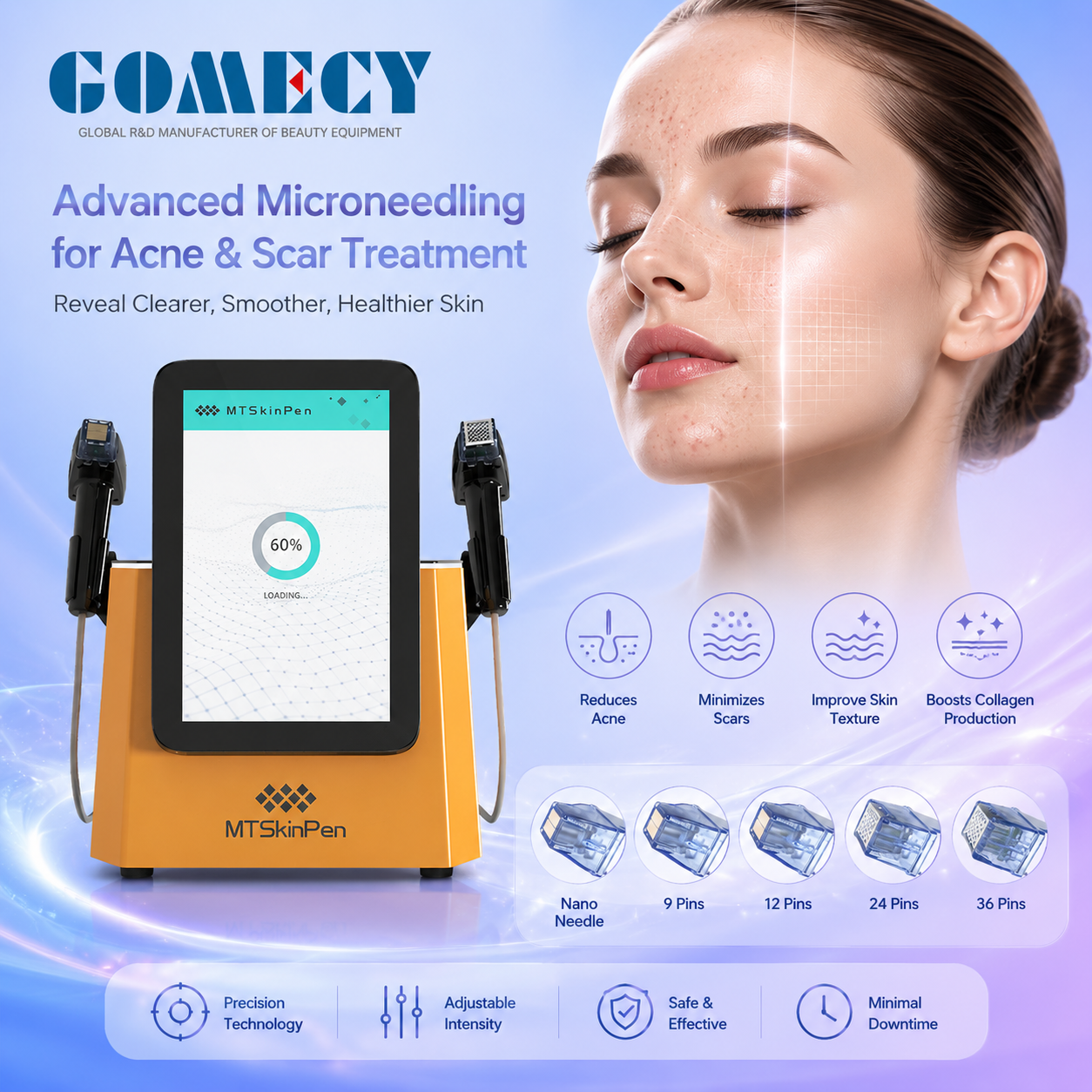
This comprehensive guide addresses the most common infection control deficiencies observed in practices utilizing skin needling equipment and collagen induction devices. By implementing the strategies outlined in this article, clinicians and facility managers can significantly reduce infection risk, enhance patient outcomes, and establish a culture of safety that distinguishes their practice. The focus here is practical, evidence-based, and directly applicable to daily operations regardless of practice size or specialization.
The microneedling machine creates thousands of microscopic wounds that temporarily compromise the skin barrier, creating an ideal environment for bacterial colonization if proper precautions are absent. Contamination can originate from multiple sources: insufficiently sterilized needle cartridges, non-sterile applicator heads, contaminated treatment areas, and compromised operator hygiene. RF microneedling devices introduce additional complexity because their radiofrequency components require specialized cleaning protocols beyond standard needle sterilization. Many practitioners underestimate how easily bacteria and viruses can transfer through contact with equipment surfaces touched immediately before patient treatment.
Cross-contamination frequently occurs during transitions between patients when staff members handle equipment without proper intermediate disinfection steps. Skin needling equipment used on multiple patients in succession can become a vector for pathogenic transmission if cleaning protocols are rushed or incomplete. Even minor lapses—such as handling the device after treating a patient with an active infection, then immediately treating another patient without sanitization—create documented infection pathways. The risk escalates significantly when multiple rf microneedling devices are stored in proximity or when shared accessories are used across different collagen induction treatments without validated decontamination protocols.
Effective sterilization of a microneedling machine requires understanding the distinction between high-level disinfection and true sterilization. Needle cartridges must undergo autoclave sterilization at validated parameters, typically 121°C for 15–30 minutes at minimum, depending on manufacturer specifications. Simply soaking equipment in chemical disinfectants or using alcohol-based wipes does not achieve sterilization and represents one of the most common compliance failures observed in audited practices. RF microneedling device bodies that cannot withstand autoclaving require validated chemical sterilization protocols using approved high-level disinfectants with documented contact times. Each sterilization cycle must be monitored using biological and chemical indicators to verify efficacy and maintain detailed records for regulatory inspection.
Between treatments, skin needling equipment must be stored in clean, dry, designated containers that prevent environmental contamination and protect needle integrity. Collagen induction devices should never be left exposed on treatment surfaces or stored in areas with foot traffic and potential dust or debris exposure. Staff members must establish a clear separation between contaminated (used) equipment zones and sterile (prepared for use) zones within the treatment facility. Needle cartridges should be inventoried systematically to prevent expired stock usage, and storage containers themselves require regular disinfection. Equipment maintenance logs documenting cleaning dates, sterilization parameters, and operator names create accountability and provide evidence of compliance during regulatory audits.
Many facilities using rf microneedling devices invest heavily in technology while neglecting staff education on proper infection control procedures. Effective training must cover the specific contamination risks associated with skin needling equipment, correct handling of microneedling machines, appropriate use of personal protective equipment, and decision-making about when equipment requires re-sterilization. Training should not be a one-time orientation event but an ongoing program with quarterly refresher sessions and competency assessments. New staff members must demonstrate competency through observation and sign-off before independently operating any collagen induction device. Documentation of all training activities, attendance records, and competency assessments protects the facility and provides evidence of due diligence if complications arise.
Establishing routine internal audits of infection control practices related to microneedling machine usage reveals gaps before they result in patient harm or regulatory citations. Audits should include direct observation of staff performing equipment preparation, sterilization verification, and patient treatment procedures. Random checks of sterilization records should confirm that all equipment uses documented sterilization validation. A designated infection control officer or quality manager should conduct these audits monthly, document findings, and immediately address any deficiencies through retraining or protocol revision. Practices should also invite external compliance reviews from qualified consultants familiar with aesthetic medicine equipment standards and infection prevention requirements.
Infection control begins before the microneedling machine touches skin through comprehensive pre-treatment assessment identifying patients at elevated infection risk. Patients with active skin infections, immunocompromised conditions, or recent antibiotic use require modified protocols or treatment postponement. Clear informed consent discussions should address infection risks specific to rf microneedling procedures and the facility's sterilization practices. Documentation of these conversations protects both patient and provider and demonstrates that informed consent was genuinely obtained rather than assumed. Patients should understand what post-treatment signs indicate potential infection and when to contact the provider if concerns arise.
Skin needling equipment creates a 24–48 hour window where infection risk remains elevated as the skin barrier progressively repairs. Facilities must provide clear post-treatment instructions emphasizing cleanser use, sun protection, and avoidance of non-sterile topical applications or contaminated environments. Complication protocols should specify when patients should be contacted for follow-up, what warning signs constitute potential infection, and when urgent medical evaluation is necessary. A documented system for tracking treatment complications and any infection cases allows the facility to identify patterns, modify practices if needed, and demonstrate responsive quality improvement to regulators. This framework transforms individual cases into organizational learning opportunities that strengthen overall infection control resilience.
The most common gaps include inadequate sterilization of needle cartridges, insufficient cleaning between patients, incomplete staff training on contamination risks, insufficient documentation of sterilization verification, and absent or poorly defined protocols for equipment storage and maintenance. Many facilities focus on purchasing advanced rf microneedling devices while neglecting the operational infrastructure required to use them safely. These gaps often go undetected until a patient develops an infection or a regulatory audit uncovers compliance failures.
Validation requires using biological indicators (spores) and chemical indicators with each sterilization cycle to confirm that sterilization parameters have been achieved. Biological indicators should be processed through a sterilization cycle and then cultured to verify that pathogenic spores have been eliminated. Chemical indicators should show appropriate color changes indicating proper temperature and time exposure. Documentation of these indicator results, autoclave maintenance records, and equipment calibration certificates should be maintained for inspection. Third-party validation of sterilization protocols by an infection prevention consultant provides additional credibility and assurance that collagen induction device protocols meet recognized standards.
Staff should receive comprehensive training covering microneedling machine operation, infection control principles, proper handling of equipment, use of personal protective equipment, and recognition of contamination situations requiring equipment re-sterilization. Training must be documented with attendance records, competency assessments, and sign-off before independent use. Ongoing refresher training every six months maintains competency and addresses protocol updates. Documentation creates accountability and protects the facility by demonstrating that infection control training was provided and that staff members were held responsible for compliance with established procedures using skin needling equipment and collagen induction devices.

