

 EN

solving-lamp-aging-problems-in-intense-pulsed-light-machines, solving-lamp-aging-problems-in-intense-pulsed-light-machines, /blog
EN
Lamp aging in an ipl machine is a gradual loss of usable output, not always a sudden failure. It can show up as longer treatment sessions, inconsistent results, or an error that interrupts operation. Recognizing those changes early helps teams distinguish expected lamp wear from cooling, power, or calibration problems. The same checks apply when an intense pulsed light device is used as a skin rejuvenation device or other photorejuvenation equipment.
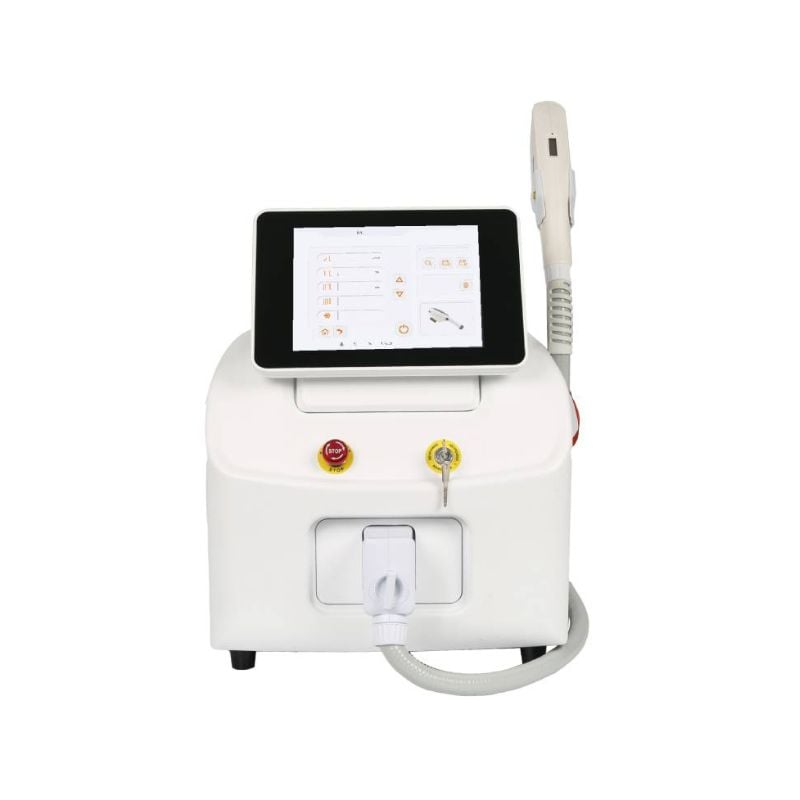
A practical response starts with observing output and operating conditions before replacing parts. Record the symptoms, compare them with the service guidance for the unit, and check whether usage has changed. An intense pulsed light device may have a finite lamp life, but the age of the lamp alone does not prove it is the cause. For a skin rejuvenation device, reliable records also help staff plan appointments while protecting consistent use of photorejuvenation equipment.
Lamp aging usually appears as a trend across repeated sessions rather than a single dramatic event. Review shot counts, service history, and any available output indicators on the ipl machine, then compare recent operation with its normal baseline. If output changes are gradual and coincide with accumulated use, lamp wear is plausible. An intense pulsed light device that stops suddenly, displays a fault, or behaves inconsistently may instead need inspection of its power supply, connections, or safety systems.
Look for changes that can be observed safely, such as recurring interruptions, unusual warning messages, or treatment settings that no longer produce the expected workflow. Do not infer optical output from appearance alone, and do not open a housing to inspect a live lamp. A skin rejuvenation device should be assessed using its approved checks, while the ipl machine remains within the manufacturer’s operating instructions. This approach helps teams avoid mislabeling a cooling or electrical issue as normal lamp aging.
Heat management and operating environment matter because excess heat can stress components and contribute to unreliable operation. Confirm that vents are unobstructed, filters are maintained as directed, and the room conditions meet the unit’s requirements. With photorejuvenation equipment, repeated use without the prescribed recovery or maintenance routine can complicate diagnosis. A skin rejuvenation device also depends on sound handling and routine inspection, so review staff practices alongside the lamp’s recorded usage.
Consumables, handpiece condition, and electrical connections can influence symptoms that resemble declining lamp performance. Follow the service documentation for visual checks, and stop use if there is damage, abnormal heat, or a safety warning. An intense pulsed light device should not be operated with improvised parts or unauthorized adjustments. For an ipl machine, documenting when the symptom occurs, how often it recurs, and which handpiece is fitted gives qualified service personnel a useful starting point without exposing staff to internal components.
Begin by confirming the reported symptom and checking basic operating conditions against the manual. Note the displayed settings, warning codes, session timing, and recent maintenance; do not change several variables at once. If the ipl machine offers an approved self-check, perform it as instructed and record the result. This disciplined sequence helps determine whether an intense pulsed light device has reached a lamp service point or whether an external condition is affecting normal operation.
Next, compare the observations with service records and the device’s stated lamp-life guidance. Usage counters are useful planning aids, not a guarantee that every lamp will fail at the same point. A technician can evaluate output using appropriate procedures and determine whether replacement is justified. Treat photorejuvenation equipment carefully during diagnosis: keep treatment settings within approved limits, and do not increase energy to compensate for suspected decline. That adjustment can obscure the cause and may create unnecessary risk.
When approved checks point to lamp wear, arrange service according to the equipment instructions and local requirements. Confirm the required lamp specification and compatibility before work begins; substitutions based only on appearance are not a safe shortcut. The ipl machine should be isolated and handled by trained personnel where the procedure requires it. After service, an intense pulsed light device may need prescribed checks or calibration before returning to clinical use, so confirm the release criteria rather than assuming the replacement alone resolves every issue.
If symptoms remain after the lamp has been assessed, keep investigating instead of repeating replacements. Cooling faults, worn connectors, power instability, or handpiece problems can produce overlapping signs, and each requires a different remedy. Record service findings for the skin rejuvenation device, including parts changed and checks completed. This history supports later decisions about photorejuvenation equipment and makes it easier to identify recurring patterns, avoid unnecessary downtime, and communicate a clear fault description to service staff.
A simple usage log can turn lamp replacement from an emergency response into a planned maintenance decision. Record date, session or shot totals where available, warnings, service actions, and any change in operating behavior. For an ipl machine, compare the log with the maintenance interval in the manual and schedule assessment before a busy period when practical. Photorejuvenation equipment benefits from consistent records because staff can separate normal wear from a new, unusual symptom.
Assign responsibility for reviewing the log so that small changes are not scattered across informal handovers. A short check before operation can confirm that required accessories are present, vents are clear, and no visible damage or warning requires escalation. An intense pulsed light device should also be maintained according to its specified cleaning and inspection procedures. These steps do not extend lamp life by guarantee, but they can reveal preventable operating issues and help teams act on developing concerns earlier.
Use manufacturer guidance, recorded usage, technician findings, and appointment demand together when planning a lamp replacement. A calendar estimate alone may be misleading if actual use varies, while waiting for complete failure can disrupt scheduled work. The skin rejuvenation device should return to service only after required checks are passed and staff understand any updated operating instructions. For an ipl machine, keeping a suitable maintenance window in the schedule reduces pressure to bypass safety steps when a lamp issue appears.
Review the outcome after maintenance by recording whether the original symptom has cleared and whether operation matches approved expectations. If not, report the remaining behavior rather than repeatedly adjusting settings. Maintain traceable service notes for photorejuvenation equipment, including the date, findings, and authorization to resume use. Clear records support continuity between operators and technicians, while helping managers forecast downtime and decide whether a recurring issue calls for a broader equipment assessment.
Look for a gradual pattern in usage records, approved output checks, or recurring operational changes, then consult service guidance. A skin rejuvenation device should not be judged by appearance alone. A qualified technician can assess whether lamp wear explains the symptoms.
No. Do not compensate for suspected lamp decline by raising settings beyond approved protocols. An intense pulsed light device needs a documented assessment, and photorejuvenation equipment should remain within its operating instructions until the cause is clear.
Stop use when the unit shows damage, abnormal heat, a safety warning, or operation outside approved behavior. Follow the service instructions and arrange qualified inspection before the ipl machine returns to use.

