

 EN

solving-patchy-regrowth-after-multiple-diode-laser-treatment-rounds, solving-patchy-regrowth-after-multiple-diode-laser-treatment-rounds, /blog
EN
Patchy regrowth after several diode laser sessions does not automatically mean treatment has failed. Hair grows in cycles, and only hairs in a suitable growth phase respond during a session. Uneven timing, inconsistent coverage, changing hair characteristics, and client factors can all leave visible islands of regrowth. A careful review of the treatment history and the diode laser hair removal machine protocol can help identify the likely cause before the next appointment.
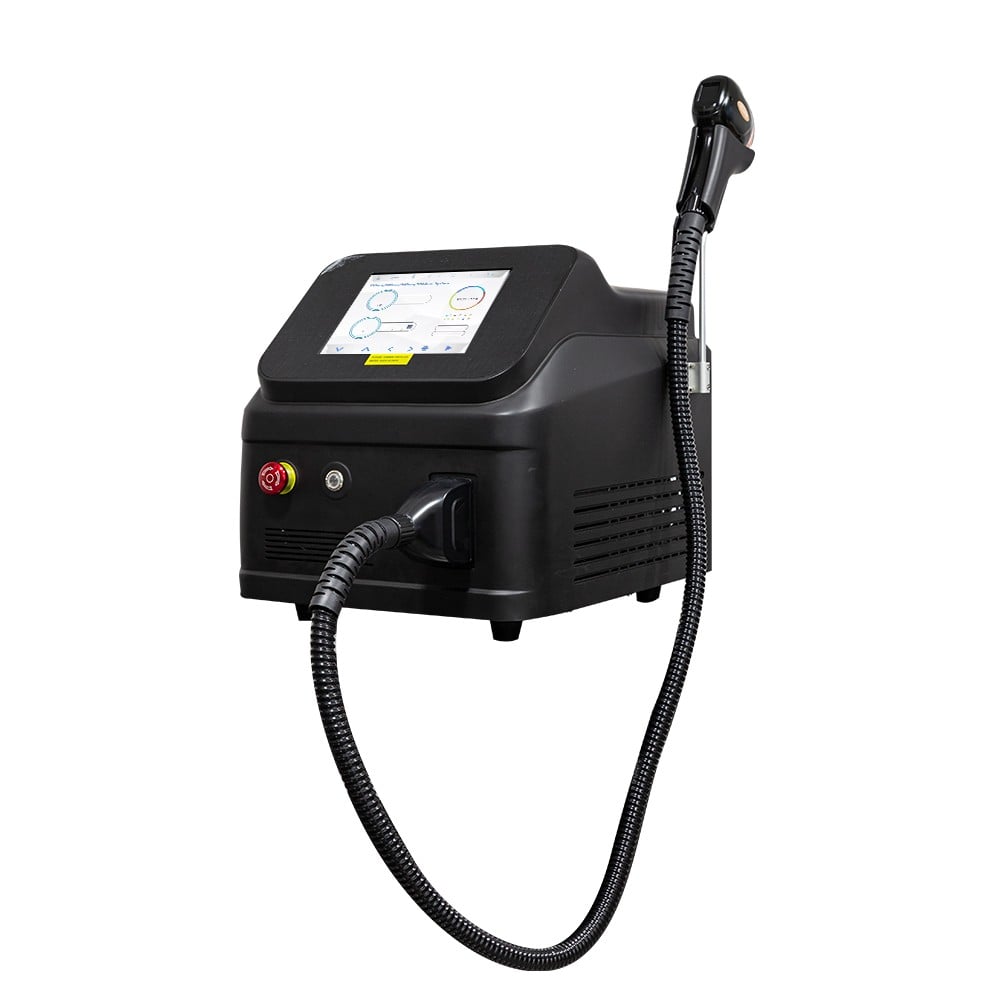
The useful response is not simply to repeat the same session or raise energy without assessment. Compare photographs, map the affected areas, confirm the interval between visits, and review technique and device records. A diode laser hair removal machine is one part of a treatment system; results also depend on appropriate candidate assessment and consistent delivery. A structured check helps distinguish expected cycle-related regrowth from a correctable process issue.
Hair removal laser treatments act on follicles most effectively when hairs are in an appropriate active growth phase, but not every follicle reaches that phase together. As a result, some return between sessions is expected, and nearby follicles may produce hair at different times. With a diode laser hair removal machine, this cycling can look like irregular patches even when treatment was delivered as planned. Track the pattern across visits rather than judging one interval alone.
Ask when the hair became noticeable, whether it is new or previously untreated, and whether the same zones recur after each visit. Record photographs under similar lighting and hair length conditions. An 808nm diode laser is used in professional treatment settings, but the wavelength alone cannot explain every outcome. A professional hair removal device must be used according to its instructions, while the practitioner assesses the individual and the area being treated.
Temporary return that shifts location can reflect changing growth cycles; stable islands in the same locations may point toward missed coverage, inconsistent contact, or a need to reassess the protocol. Hair removal laser records should include the treatment area, date, relevant settings, skin response, and any reasons for modifying the session. A diode laser hair removal machine log makes it easier to compare visits and avoid relying on memory.
Also compare the texture and density of returning hair with the original baseline. Fine or sparse hair may respond differently from coarse, dense hair, and recently shaved stubble can be mistaken for rapid regrowth. An 808nm diode laser session should follow the device guidance and an appropriate assessment, not a blanket assumption that every visible hair needs the same approach. Clear documentation gives the next decision a sounder basis.
Review the interval between appointments against the established treatment plan and the client’s observed growth pattern. Scheduling too soon may mean fewer target hairs are in the relevant phase, while waiting without tracking can make progress difficult to evaluate. A diode laser hair removal machine cannot compensate for inconsistent coverage. Hair removal laser technique should be systematic, with overlapping passes and area boundaries managed according to training and device instructions.
Ask whether the patch corresponds to a difficult contour, a boundary between treatment zones, or a place where handpiece contact may have varied. Inspect the applicator, cooling function, and treatment records if an equipment or workflow issue is suspected. A professional hair removal device needs routine checks and consistent handling. Do not treat a suspected technical issue by making an unassessed energy increase; first identify what differed between the affected and well-covered areas.
Settings should be reviewed alongside skin response, hair characteristics, treatment area, and the device manufacturer’s operating guidance. The right interpretation is not that higher energy always produces better results. An 808nm diode laser may be part of a clinic’s protocol, but wavelength, pulse parameters, cooling, and technique work together. A diode laser hair removal machine should be operated by trained personnel who can adjust treatment safely within its intended use.
Compare the parameters used across sessions and note why any changes were made. If a change was introduced before patchiness appeared, discuss whether it may be relevant; do not assume a direct cause without evidence. Hair removal laser treatment also requires clear communication about expected shedding, possible temporary effects, and when to report a concern. Consistent records make that conversation more precise and support a measured next step.
Mark the areas of persistent regrowth on a simple treatment map and compare them with previous photographs. If the gaps align with coverage boundaries, prioritize technique review and clear zone tracking. If regrowth is diffuse or shifts over time, timing and hair cycles may be more relevant. A diode laser hair removal machine session should follow the updated assessment, while the practitioner documents the reason for any protocol adjustment.
Set expectations before treatment: one visit cannot reliably settle whether the pattern has been corrected, so evaluate response over an appropriate interval. Hair removal laser plans are staged, and a professional hair removal device is only useful within a consistent, individualized workflow. Explain how to prepare, what aftercare applies, and how the client should record changes. This reduces confusion between normal shedding, short-term irritation, and continuing hair growth.
Pause routine treatment and reassess if the client reports an unexpected skin reaction, a substantial change in hair growth, or a concern that falls outside the expected response. Review contraindications, relevant health changes, and device guidance before proceeding. An 808nm diode laser is not a substitute for clinical judgment. Where the pattern or skin response raises a medical concern, refer the client to an appropriately qualified healthcare professional.
For an ordinary patchy pattern, agree on a review point rather than promising uniform results. Record the area, interval, observed response, and any agreed change in technique or settings. A diode laser hair removal machine can support a repeatable process when equipment, staff training, and client assessment are all considered. This evidence-led approach addresses the cause instead of repeatedly treating the symptom without learning from each round.
It can be. Hair follicles cycle independently, so some return between visits is expected. If the same sharply defined areas persist, review photographs, coverage, timing, and records before deciding that the diode laser hair removal machine treatment has failed. A practitioner can assess whether a change is appropriate.
Not automatically. First check the treatment history, technique, skin response, hair characteristics, and device instructions. An 808nm diode laser protocol should be adjusted only by trained personnel after assessment. A professional hair removal device does not make an unreviewed increase a safe or reliable solution.
Seek prompt professional advice for unexpected skin effects or a marked change in hair growth. For routine regrowth, ask the treating practitioner to review the map and session notes. Hair removal laser care depends on individual circumstances, and a diode laser hair removal machine plan should be paused when clinical concerns require evaluation.

