

 EN

solving-pigment-changes-after-fractional-co2-resurfacing-work, solving-pigment-changes-after-fractional-co2-resurfacing-work, /blog
EN
Pigment changes following fractional co2 laser treatment represent one of the most common concerns patients and practitioners face after undergoing skin resurfacing procedures. Understanding why these changes occur and how to prevent them is essential for delivering consistent, predictable results and maintaining patient satisfaction.
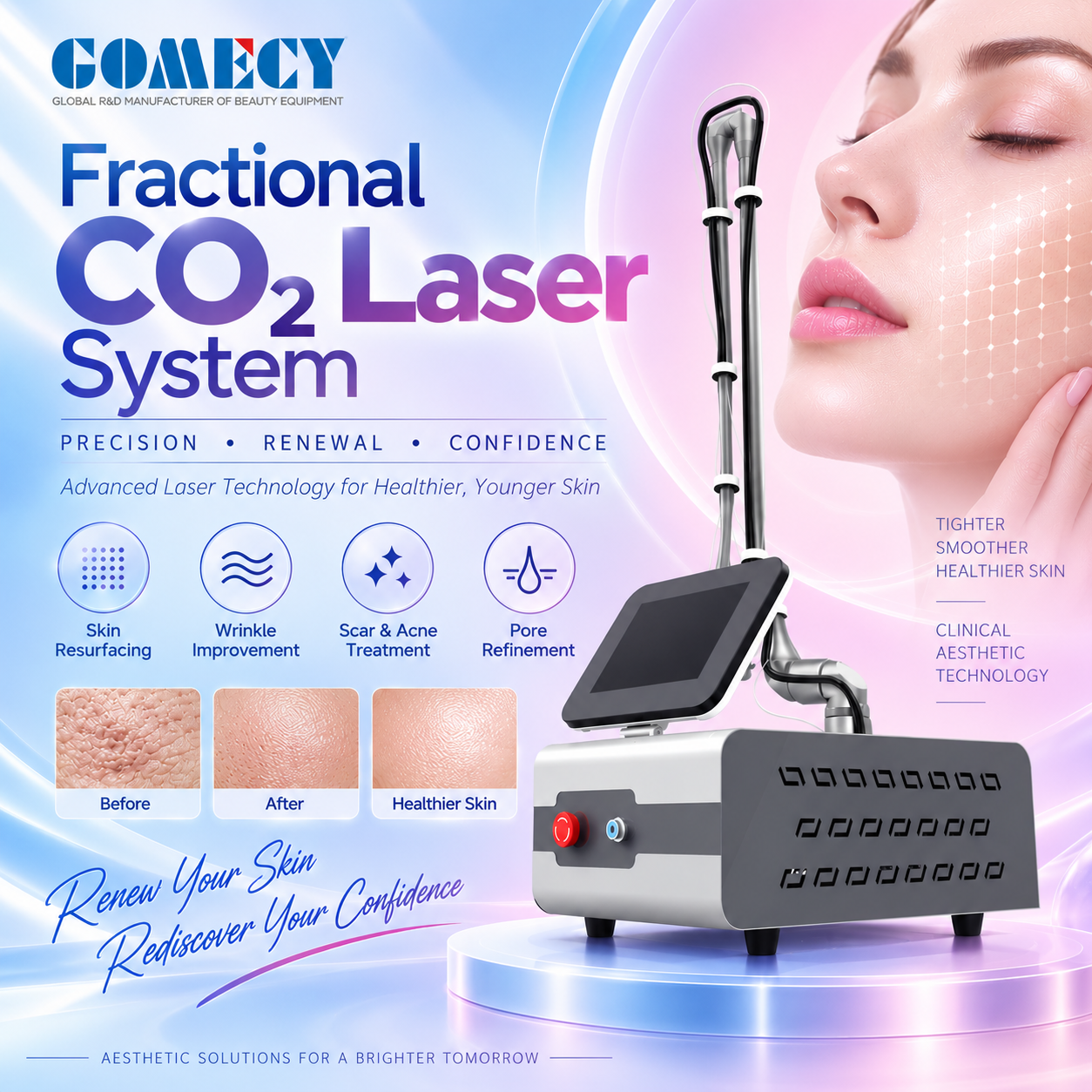
Pigmentation irregularities after co2 fractional resurfacing emerge as thermal energy disrupts melanin distribution and triggers inflammatory responses in treated skin layers. Whether manifesting as post-inflammatory hyperpigmentation, temporary erythema, or localized lightening, these changes demand a comprehensive understanding of the fractional laser treatment mechanism and targeted aftercare protocols to ensure optimal healing and sustained aesthetic outcomes.
When fractional laser treatment energy penetrates dermal tissue, it creates controlled thermal injury columns that stimulate collagen remodeling and skin renewal. This process naturally disrupts melanocyte function and melanin distribution patterns within treated zones. Melanocytes, the pigment-producing cells, respond to thermal stress by temporarily increasing or decreasing melanin production, depending on individual skin type and healing response.
The fractional co2 laser operates by delivering energy in microbeam patterns, leaving untreated skin bridges between ablated columns. This fractional approach reduces overall thermal load compared to full-surface ablation, yet still triggers localized inflammation and melanin mobilization. Post-inflammatory hyperpigmentation commonly emerges in individuals with darker skin tones or high melanin reactivity, while hypopigmentation may occur in fair-skinned patients with slower pigment recovery.
The inflammatory cascade following skin remodeling laser procedures directly influences pigment behavior during the healing window. Inflammatory mediators stimulate melanocytes to increase melanin synthesis as a protective response against perceived UV exposure or thermal injury. This heightened melanin production, combined with increased vascularization and edema, can create visible dark patches or uneven tone that may persist for weeks or months post-treatment.
Understanding this inflammatory timeline helps practitioners set realistic patient expectations and implement preventive measures. The first 48 to 72 hours represent the peak inflammatory phase, followed by gradual resolution over 2 to 3 weeks. During this critical window, sun exposure, heat exposure, and certain skincare ingredients can amplify melanin production and worsen pigmentation irregularities significantly.
Successful prevention of pigmentation changes begins well before the fractional laser treatment procedure commences. Practitioners must conduct thorough skin type classification using the Fitzpatrick scale, as individuals with skin types III through VI carry substantially higher risk for post-inflammatory hyperpigmentation. Patients with a personal or family history of melasma, keloid formation, or previous pigmentation disorders require enhanced monitoring and may benefit from prophylactic measures.
Pre-treatment skin preparation typically includes 2 to 4 weeks of retinoid therapy, vitamin C application, and gentle hydroquinone use in higher-risk patients. These agents promote cellular turnover, stabilize melanocyte function, and establish a healthier skin barrier before thermal stress occurs. Additionally, ensuring patients discontinue photosensitizing medications, supplement with antioxidants, and maintain rigorous daily sun protection establishes optimal baseline conditions for predictable healing.
Proper energy settings and density patterns during co2 fractional resurfacing directly impact post-treatment pigmentation outcomes. Lower energy densities combined with longer healing intervals between sessions reduce inflammatory intensity and minimize melanin mobilization during fragile healing phases. Experienced practitioners adjust laser parameters based on individual skin type, baseline pigmentation, and specific concerns, rather than applying uniform settings across all patients.
The fractional approach itself offers inherent advantages over traditional ablative laser systems by preserving untreated epidermis that contains intact melanocytes and barrier function. This fractional laser treatment strategy reduces overall thermal penetration depth and allows for more conservative, staged approaches when treating higher-risk patients. Practitioners should also avoid overlapping treatment zones excessively and maintain consistent spacing to prevent cumulative thermal damage that accelerates pigment disruption.
The immediate post-procedure period demands strict environmental control and pharmaceutical support to minimize pigmentation complications. Patients must apply broad-spectrum SPF 50 or higher sunscreen consistently, reapplying every two hours during outdoor exposure for at least 4 to 6 weeks following treatment. UV exposure represents the most significant modifiable risk factor for triggering and perpetuating post-inflammatory hyperpigmentation, making rigorous photoprotection non-negotiable.
Gentle cleansing with lukewarm water and fragrance-free products prevents irritation-induced melanin production. Practitioners often recommend cool compresses, hydrating serums, and barrier-repair moisturizers to reduce inflammation and support the natural healing cascade. Avoiding heat exposure, intense exercise, hot water, and chemical exfoliants during the first 7 to 10 days preserves the skin barrier and prevents inflammatory amplification that can trigger unwanted pigmentation changes.
Beyond the immediate recovery window, long-term pigmentation management requires sustained commitment to sun protection and strategic skincare integration. Continuing vitamin C serums, niacinamide products, and antioxidant-rich treatments supports ongoing skin recovery and prevents UV-induced pigment reactivation. If hyperpigmentation persists beyond 3 to 4 weeks, practitioners may recommend targeted hydroquinone therapy, azelaic acid products, or adjunctive treatments like tranexamic acid application to accelerate pigment normalization.
For patients experiencing residual hyperpigmentation after the fractional co2 laser healing phase, low-fluence Q-switched laser or gentle IPL treatments may provide additional resolution without compromising newly remodeled skin. These complementary procedures should be delayed until skin barrier integrity fully restores, typically 6 to 8 weeks post-treatment. Establishing clear communication channels with patients about expected pigmentation timelines and intervention thresholds ensures realistic expectations and sustained satisfaction with skin remodeling laser outcomes.
Post-inflammatory hyperpigmentation commonly resolves within 3 to 6 months following fractional laser treatment in most patients, though darker skin types may experience prolonged pigment changes lasting 6 to 12 months. Individual healing timelines vary significantly based on skin type, sun protection adherence, and baseline pigmentation tendencies. Patients who maintain rigorous sunscreen use and follow recommended aftercare protocols typically experience faster pigmentation normalization.
Yes, individuals with darker skin tones can safely undergo fractional laser treatment when practitioners use appropriate parameter adjustments and implement enhanced pigmentation prevention protocols. Lower fluence settings, extended healing intervals between sessions, and aggressive post-treatment sun protection significantly reduce hyperpigmentation risk. Practitioners experienced in treating diverse skin types can deliver excellent skin remodeling laser results for all Fitzpatrick classifications by customizing treatment approaches appropriately.
During the immediate 7 to 10 day post-treatment window, patients should avoid retinoids, vitamin A derivatives, glycolic acids, salicylic acid, benzoyl peroxide, and fragrance-containing products that can irritate healing skin and trigger melanin production. Additionally, avoid heat-generating products, essential oils, and photosensitizing medications that amplify inflammatory responses. Stick to gentle, fragrance-free, barrier-supportive products until the skin completely epithelializes and shows no visible signs of active healing.

