

 EN

solving-return-plate-placement-errors-in-tecar-therapy-work, solving-return-plate-placement-errors-in-tecar-therapy-work, /blog
EN
Return plate placement errors can make a tecar therapy session uncomfortable, inconsistent, or difficult to reproduce. The solution is a systematic check of the plate’s position, skin contact, cable connection, and patient posture before energy is applied. Understanding capacitive resistive electric transfer also helps operators distinguish a setup problem from a treatment selection issue.
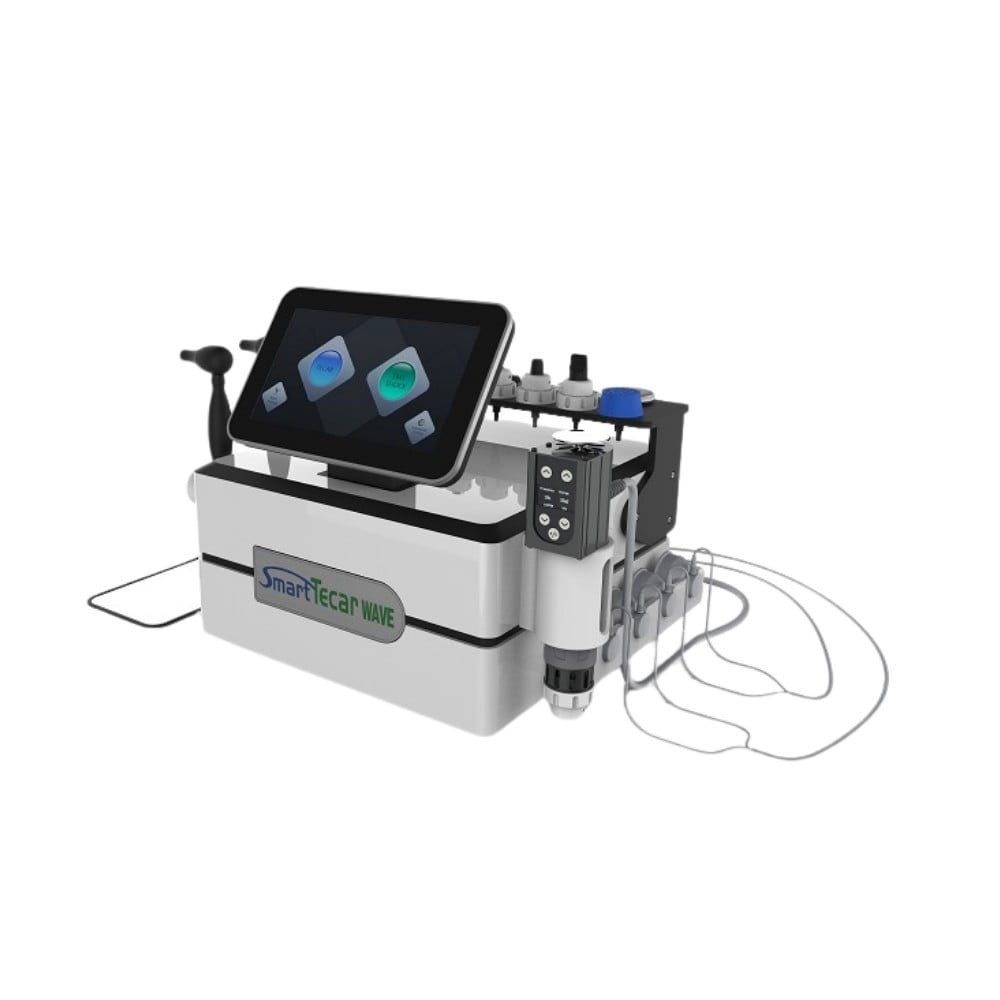
A reliable routine matters because the return plate completes the electrical path used in tecar therapy. When the plate shifts, has incomplete contact, or is placed without considering the treatment area, energy delivery may feel uneven. The operator should assess the device, the patient, and the planned application together; a radiofrequency therapy device cannot compensate for poor plate contact, and deep heat therapy should never be pursued by simply increasing output.
Start by checking whether the plate lies flat against clean, dry skin and remains stable in the intended position. Wrinkles, hair, clothing, lotion, or pressure from a treatment table can interrupt contact. In tecar therapy, such small setup details affect how capacitive resistive electric transfer is completed through the patient. If the patient reports a localized hot spot or unusual discomfort, pause and inspect the plate rather than assuming the sensation is a normal sign of deep heat therapy. A radiofrequency therapy device should be used only according to its operating instructions and clinical protocol.
Not every change in sensation comes from the return plate. Confirm the selected mode, electrode condition, connection, and treatment parameters before changing placement. With tecar therapy, the capacitive resistive electric transfer pathway depends on the complete circuit, so a loose cable or unsuitable electrode can resemble a positioning error. Ask the patient where the sensation occurs and whether it changes with posture, then inspect the full contact area. Do not use stronger output to mask irregular feedback. A radiofrequency therapy device requires a controlled setup, while deep heat therapy depends on appropriate technique and patient response, not intensity alone.
Explain the procedure, position the patient comfortably, and expose the intended contact area without creating tension across the skin. Check that the skin is intact and free from barriers that could prevent even contact. Place the plate where the manufacturer’s instructions and the treatment plan specify, ensuring it rests securely rather than on an edge or bony prominence. For tecar therapy, a deliberate setup supports capacitive resistive electric transfer and helps the operator assess feedback consistently. Recheck the plate after the patient settles. This practical step is important when the goal includes deep heat therapy, because movement can change contact during treatment.
Before activation, confirm that the return plate cable is fully connected and that the plate is not damaged. Select the prescribed mode and begin at a conservative level, following the device instructions and clinical judgment. During tecar therapy, maintain communication so the patient can report discomfort promptly; do not interpret silence as proof of correct placement. Observe the contact area and ask about sensation as the application progresses. A radiofrequency therapy device should not be operated with intermittent connections, and capacitive resistive electric transfer must remain stable before adjustment. If the response is irregular, stop, reassess the setup, and document the change rather than raising output to chase warmth.
A short pre-treatment routine reduces avoidable variation between operators and appointments. Record the plate location, patient position, electrode configuration, selected mode, and any reported sensation when these details are clinically relevant. For tecar therapy, consistent notes help identify whether a recurring issue follows a particular posture, contact area, or cable arrangement. This makes capacitive resistive electric transfer easier to review without relying on memory. Check the equipment as part of routine maintenance and remove damaged components from service. Clear documentation also helps teams distinguish a technique change from a genuine change in the patient’s response to deep heat therapy.
Placement should follow the treatment plan, device guidance, and patient-specific considerations rather than a single position used for every case. Consider the target area, the patient’s ability to remain still, access to the plate site, and any relevant clinical precautions. In tecar therapy, these factors can influence comfort and the stability of capacitive resistive electric transfer. A radiofrequency therapy device may offer different operating modes, but the return plate still needs secure, appropriate contact. When the treatment area or patient position changes, pause to verify the circuit again. Deep heat therapy is not a reason to overlook contraindications, patient feedback, or safe operating limits.
Pause the application and inspect plate contact, cable connection, skin condition, and patient position. In tecar therapy, capacitive resistive electric transfer requires a stable pathway. Reposition only in line with device instructions and the treatment plan, then reassess at a conservative setting. Uneven warmth is not a reason to increase output, even when deep heat therapy is intended.
Yes. Patient movement, muscle tension, or an unstable support can shift the plate and alter contact. Stop and restore a secure position before continuing tecar therapy. Confirm the connection and the radiofrequency therapy device settings as well. Capacitive resistive electric transfer should be checked again after any meaningful repositioning.
Use a consistent pre-treatment check, maintain equipment, and document the relevant placement details. In tecar therapy, this supports repeatable capacitive resistive electric transfer and makes it easier to spot recurring setup issues. Review patient feedback throughout the session; deep heat therapy should remain guided by appropriate technique, clinical judgment, and the device instructions.

