

 EN

tecar-therapy-in-sports-recovery-vs-clinical-rehab-settings, tecar-therapy-in-sports-recovery-vs-clinical-rehab-settings, /blog
EN
TECAR therapy can support both sports recovery and clinical rehabilitation, but the setting changes how clinicians apply it. In sports, the priority is often to manage discomfort and help an athlete progress toward training; in clinical rehab, the priority is usually restoring function through a planned course of care. Understanding these differences helps teams use deep heat therapy purposefully rather than treating the equipment as a substitute for assessment.
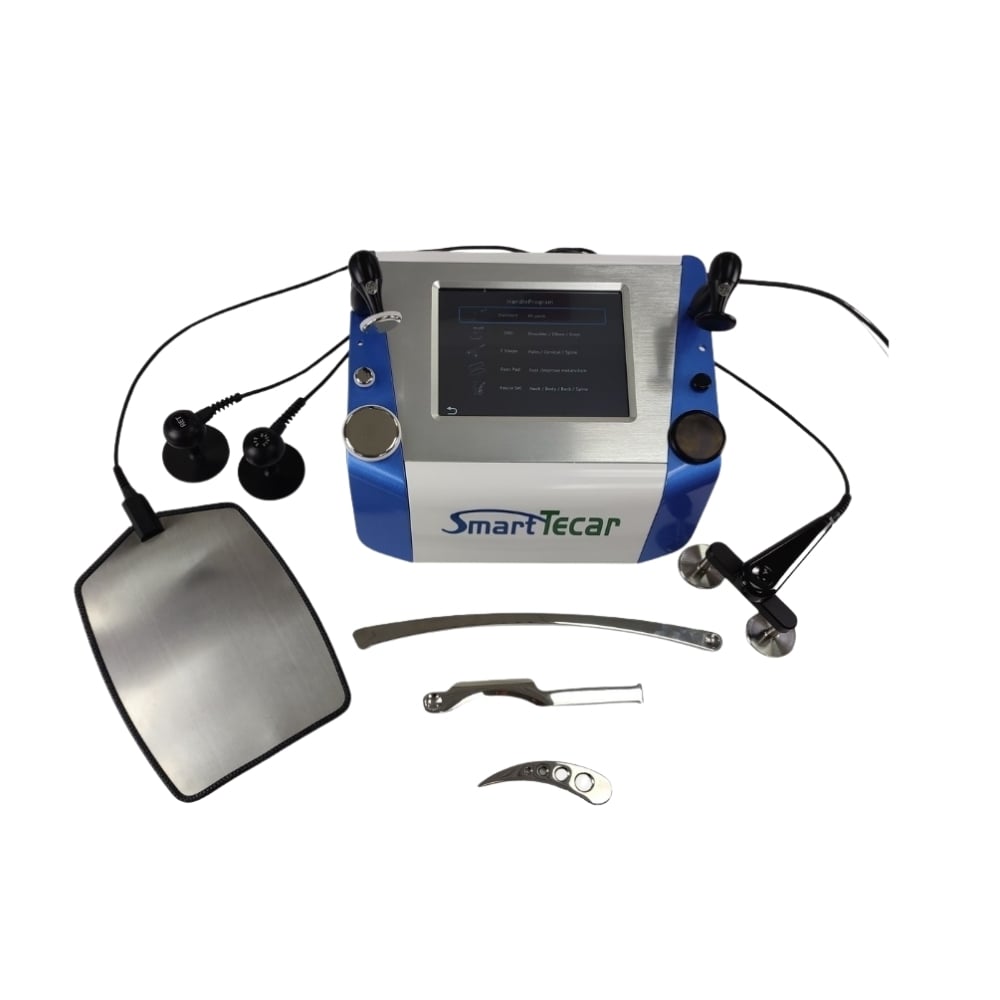
The technology commonly described as capacitive resistive electric transfer delivers radiofrequency energy through an applicator and a return electrode. A radiofrequency therapy device may be used to provide tecar therapy alongside movement, manual techniques, and load management. The useful comparison is not which setting benefits more, but how goals, timing, assessment, and follow-up shape a safe and relevant treatment plan.
In a sports environment, tecar therapy is often considered when an athlete has soreness, restricted movement, or a need to recover between demanding sessions. The clinician still needs to identify the likely source of symptoms and check whether the athlete can tolerate activity. Deep heat therapy may be part of a broader recovery session, but it does not establish readiness to return to play by itself.
The treatment plan should connect tecar therapy to the athlete’s immediate training context. A practitioner may use a radiofrequency therapy device before mobility work or after a session, then reassess comfort and movement. The response should inform the next step, not prompt an automatic increase in workload. Capacitive resistive electric transfer is an adjunct, while load progression, sleep, and recovery time remain important parts of the decision.
Clinical rehab usually follows a broader pathway: assessment, goal setting, intervention, and review. Here, deep heat therapy may be considered to help a patient participate in active rehabilitation, rather than as the primary measure of progress. A clinician may include tecar therapy when it fits the person’s symptoms and tolerance, then evaluate functional changes across visits.
Capacitive resistive electric transfer can be integrated with therapeutic exercise, hands-on care, or movement education when clinically appropriate. A radiofrequency therapy device does not replace diagnosis or a rehabilitation plan. Practitioners should explain the intended role of tecar therapy, agree on a measurable functional goal, and adjust the approach if the patient reports an adverse or unhelpful response.
A sports recovery workflow starts with a brief check of symptoms, recent workload, and any change in function. If tecar therapy is suitable, the clinician can select an application that matches the area and the athlete’s tolerance. Deep heat therapy should be treated as a sensation and treatment response to monitor, not proof that tissue has healed or that unrestricted sport is safe.
After treatment, the practitioner can reassess range of motion, comfort during a relevant task, or the athlete’s response to a graded exercise. Capacitive resistive electric transfer may be one element in this sequence, while the actual return-to-training decision should reflect sport demands and clinical findings. A radiofrequency therapy device can fit into a tight schedule only if assessment and follow-up are not skipped.
Communication between the treating clinician, athlete, and coaching staff matters when symptoms affect training. For example, a temporary improvement after tecar therapy should not be interpreted as permission to ignore a modified plan. Deep heat therapy can complement recovery work, but the athlete still needs appropriate loading and monitoring. Clear documentation helps the next practitioner understand the response and maintain continuity.
In a clinic, treatment frequency and duration should be guided by the patient’s presentation, goals, and response over time. The clinician may use a radiofrequency therapy device during selected visits, then pair tecar therapy with an activity that relates to the patient’s daily needs. This makes progress easier to judge than relying on a short-term sensation alone.
Capacitive resistive electric transfer should be introduced with a clear explanation of what the session can and cannot accomplish. The person should know what sensations to expect and how to report discomfort. Deep heat therapy can be adjusted or omitted when it is not well tolerated. Regular review keeps tecar therapy aligned with functional goals instead of allowing a passive modality to dominate care.
A practical clinic plan also considers appointment time, skin checks, positioning, and the patient’s ability to communicate during treatment. A radiofrequency therapy device requires appropriate setup and cleaning between patients. Clinicians should record relevant settings and responses according to local practice, then use that information to decide whether capacitive resistive electric transfer remains useful.
Choosing a system begins with the clinical tasks it must support, not with a headline feature. Teams should review applicator options, controls, training needs, cleaning procedures, and how the equipment fits the room and patient population. A radiofrequency therapy device used in sports recovery may need to accommodate quick transitions, while a clinic may value consistency across scheduled rehabilitation appointments.
The operating approach should make it straightforward to adjust treatment to the person in front of the clinician. Capacitive resistive electric transfer is a technical description, not a guarantee of a particular outcome. Staff need suitable instruction in setup, contraindication screening, and response monitoring. The chosen tecar therapy approach should complement hands-on assessment and active care in either setting.
Before applying energy, practitioners should review relevant medical history, sensation, skin condition, and device guidance. Deep heat therapy may be inappropriate in some circumstances, so screening and patient feedback are essential. The clinician should stop or modify treatment if the person experiences unexpected discomfort, and should not use tecar therapy to delay further evaluation when symptoms warrant it.
Outcome measures should fit the setting. An athlete may be monitored through sport-specific movement and tolerance of a staged workload; a rehabilitation patient may be followed through daily activity, mobility, or task performance. A radiofrequency therapy device can support a session, but changes in function and the person’s report are more useful than assuming benefit from heat alone.
Ultimately, the best fit depends on the reason for treatment, the clinician’s training, and the ability to reassess. Capacitive resistive electric transfer can be considered in either environment when it supports an individual plan. Deep heat therapy remains one possible adjunct, not a standalone recovery strategy. This distinction keeps tecar therapy tied to practical decisions about activity, function, and ongoing care.
Yes. Sports use often relates to training schedules and readiness, while clinical rehabilitation typically follows goals across multiple visits. In both settings, tecar therapy should be selected after assessment, and a radiofrequency therapy device should support rather than replace active care.
No. Capacitive resistive electric transfer may be used as an adjunct when appropriate, but exercise and functional practice remain central to many rehabilitation plans. Deep heat therapy is not a substitute for progressive loading, and tecar therapy should have a clear purpose within the wider plan.
Assess usability, staff training, cleaning requirements, available applicators, and fit with intended patient care. A radiofrequency therapy device should allow safe setup and monitoring. Consider whether capacitive resistive electric transfer can be integrated into existing workflows, and define how deep heat therapy responses will be reviewed.

