

 EN

tecar-vs-ultrasound-diathermy-heating-mechanisms-compared, tecar-vs-ultrasound-diathermy-heating-mechanisms-compared, /blog
EN
TECAR and ultrasound diathermy both use energy to warm tissue, but they do not create that warmth in the same way. In tecar therapy, high-frequency electrical current interacts with tissue impedance, while ultrasound diathermy uses acoustic waves and mechanical vibration. Understanding that distinction helps clinicians choose a modality according to treatment goals, tissue access, patient comfort, and the practical demands of a session.
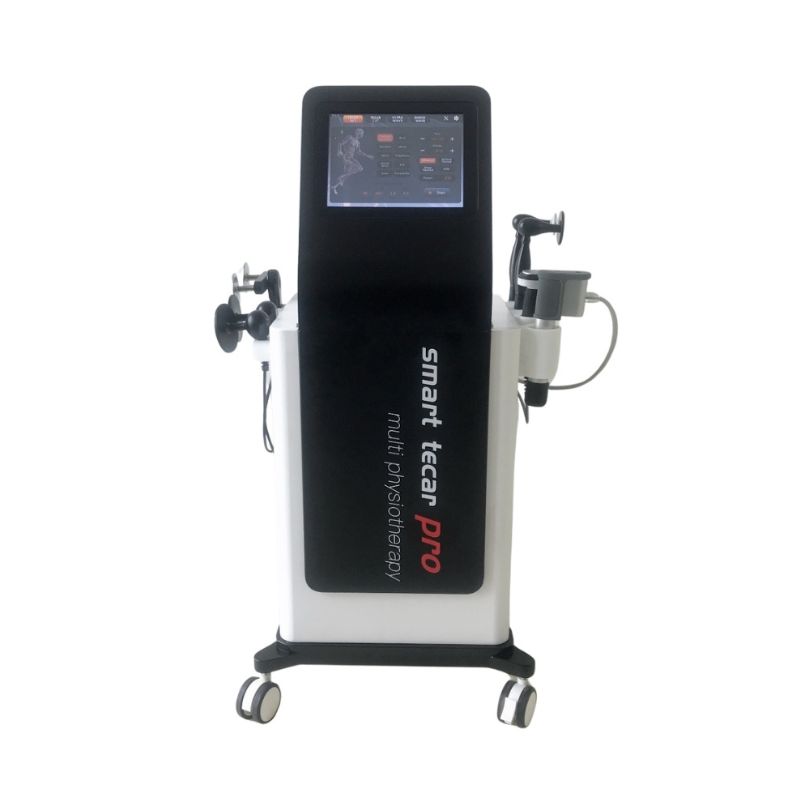
The useful comparison is not simply which method gets hotter. It is how energy reaches the treatment area, how the clinician controls the dose, and how the response fits the patient’s presentation. A capacitive resistive electric transfer approach and an ultrasound unit may both support deep heat therapy, yet they create different sensations and require different application techniques. This guide compares those heating mechanisms in clinical context.
A tecar therapy system applies a high-frequency alternating current through an electrode and a return plate. The current completes a circuit through the body, and tissue impedance contributes to energy conversion into heat. In capacitive resistive electric transfer, the electrode design influences where energy is concentrated: insulated capacitive electrodes tend to engage more water-rich superficial tissues, while resistive electrodes interact with tissues that offer greater resistance.
This is not heat transferred from a hot applicator. Instead, the current produces thermal effects within the treatment pathway, with the clinician moving the electrode and adjusting output based on the treatment area and patient feedback. A radiofrequency therapy device therefore calls for attention to contact, movement, intensity, and the patient’s sensation. Those factors shape comfort and the distribution of warmth rather than guaranteeing a uniform temperature at a specific depth.
Ultrasound diathermy sends high-frequency sound waves into tissue through a coupling medium. As the waves travel, absorption and other interactions can create thermal effects, while the acoustic field may also produce nonthermal effects depending on the settings and application. Unlike tecar therapy, the energy is delivered through sound rather than an electrical current passing through a treatment circuit.
The ultrasound head must remain coupled to the skin and is usually moved in a controlled pattern to manage exposure. Frequency, intensity, treatment area, and tissue characteristics influence how energy is absorbed. Deep heat therapy is possible with either modality, but depth and response cannot be inferred from a device label alone. Capacitive resistive electric transfer relies on electrode configuration and current flow; ultrasound depends on acoustic transmission and absorption.
Clinicians often value tecar therapy for its ability to deliver a comfortable, adjustable warmth across a moving treatment area. The perceived response can vary with electrode type, contact technique, output, and individual tissue characteristics. With capacitive resistive electric transfer, switching between electrode modes offers a way to alter the interaction, but it does not replace assessment of the patient or establish a precise tissue temperature.
Ultrasound can be useful when a smaller, localized area is the focus and the clinician can maintain consistent coupling and movement. Patient sensation may be subtle, and absence of strong warmth does not necessarily mean that no acoustic energy is being delivered. For either modality, deep heat therapy should be a considered treatment objective, not an assumption. Treatment decisions should reflect the clinical presentation, contraindications, and the intended role of thermal input.
A radiofrequency therapy device requires a suitable electrode circuit, appropriate return-pad placement where applicable, and continuous attention to patient feedback. The clinician typically guides the applicator over the area, making movement and contact part of dose management. Capacitive resistive electric transfer can provide different modes within one treatment approach, but settings should be selected for the individual rather than copied as a fixed routine.
Ultrasound places different demands on the operator: coupling must be maintained, the head needs systematic movement, and the selected parameters should suit the size and contour of the area. A tecar therapy session may feel more hands-on because the electrode is moved directly over the skin, whereas ultrasound treatment is shaped by the acoustic head and coupling medium. Both require training, sound equipment checks, and observation throughout application.
Start by defining the purpose of thermal input, the target area, the patient’s tolerance, and the other components of the care plan. If broad, hands-on electrode application aligns with the session, capacitive resistive electric transfer may be worth considering. If a focused area and acoustic delivery better suit the treatment plan, ultrasound may be appropriate. Neither choice should be based on the assumption that one modality always creates deeper or more beneficial heating.
For a radiofrequency therapy device, review the available electrode modes, controls, return pathway, and operator instructions before treatment. Consider whether the patient can communicate sensation and whether the treatment area allows safe, consistent contact. Deep heat therapy is not suitable for every goal or patient, so the decision must account for clinical screening and the reason heat is being used. These checks make modality selection more deliberate than choosing by familiarity alone.
Whichever method is selected, begin with the device guidance and an assessment-led plan. With tecar therapy, choose the electrode and output for the intended interaction, maintain appropriate movement, and check comfort throughout. With ultrasound, select parameters for the target and keep the applicator coupled and moving as indicated. Capacitive resistive electric transfer is a technique category, not a substitute for operator competence or individualized dosing.
Reassess the response during and after treatment rather than treating warmth as the only success measure. Note comfort, skin response, functional tolerance, and whether the modality supports the broader rehabilitation plan. A radiofrequency therapy device and ultrasound unit both need routine inspection and use within their instructions. Deep heat therapy should remain one possible intervention among others, selected when its expected role is reasonable and its risks are understood.
Tecar therapy uses high-frequency electrical current and tissue impedance, while ultrasound diathermy transmits acoustic waves. Capacitive resistive electric transfer describes electrode-based current delivery; ultrasound depends on sound transmission and tissue absorption. Both can create thermal effects, but their application methods and energy pathways differ.
No. A radiofrequency therapy device does not guarantee a specific heating depth or temperature. Tissue characteristics, electrode setup, output, contact, and technique all influence the response. Tecar therapy settings should be selected according to the individual and the intended treatment role, not a universal depth claim.
Either method may be considered when deep heat therapy is an appropriate objective, but neither should be selected on that phrase alone. Capacitive resistive electric transfer and ultrasound have different delivery mechanisms, so clinicians should weigh the target, safety screening, device instructions, patient feedback, and treatment goals before choosing.

