

 EN

troubleshooting-client-concerns-about-downtime-after-co2-work, troubleshooting-client-concerns-about-downtime-after-co2-work, /blog
EN
Client concerns about downtime after fractional CO2 laser treatment represent one of the most common objections practitioners face when recommending this powerful skin remodeling procedure. Understanding these concerns and having clear, evidence-based answers is essential for building client trust and ensuring realistic expectations before treatment begins. The fractional co2 laser works by creating microscopic columns of thermal injury in the skin, which triggers natural healing and collagen remodeling, but this process requires a genuine recovery period that clients need to understand.
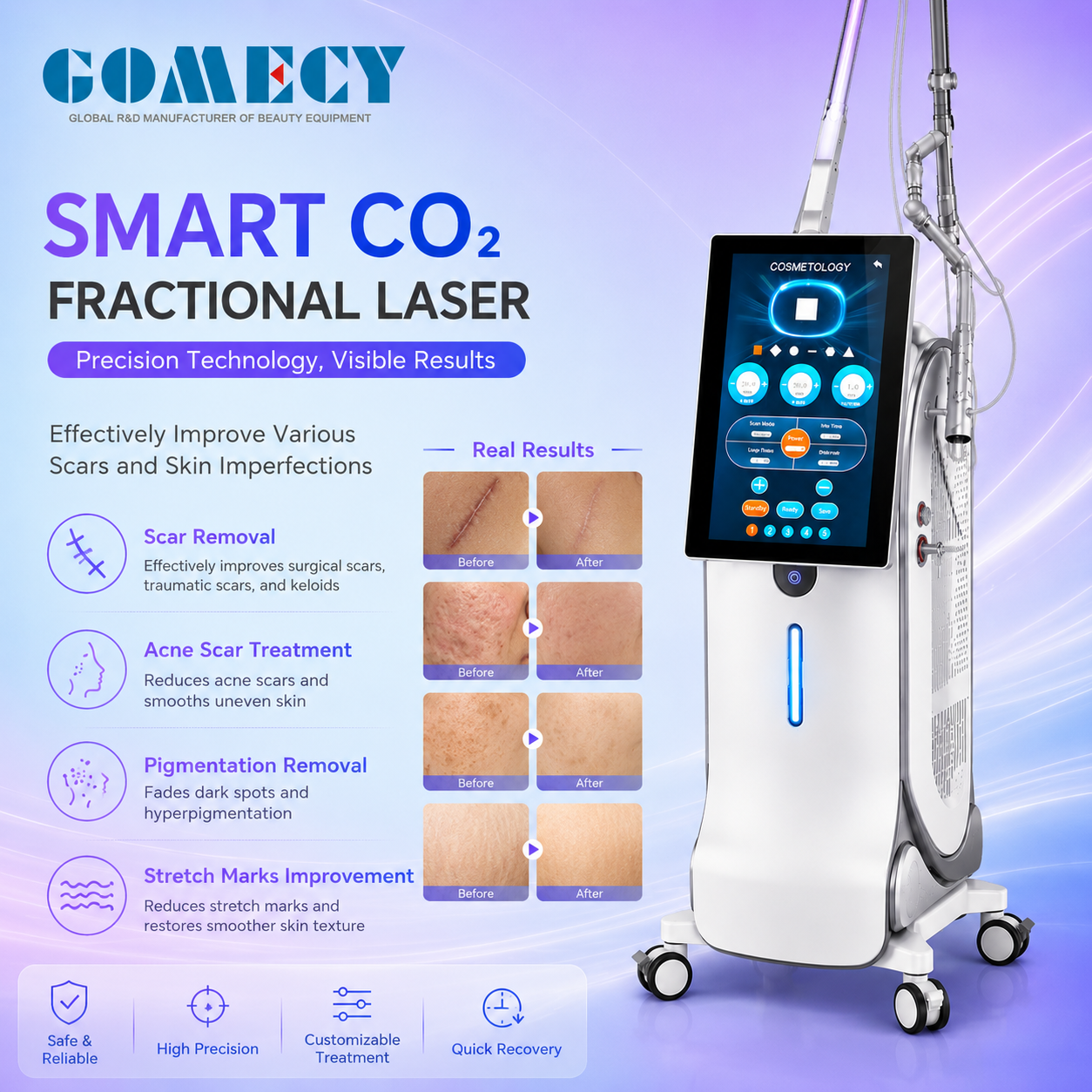
Downtime anxiety often stems from misinformation, unrealistic comparisons to non-ablative treatments, or inadequate pre-treatment education. When clients have clear timelines, practical recovery guidance, and transparent communication about what to expect, their satisfaction dramatically improves. This article addresses the key client concerns about downtime and provides practitioners with strategies to manage expectations, communicate effectively, and support clients through their recovery journey after fractional laser treatment.
The first 24 to 48 hours after co2 fractional resurfacing represent the most intensive recovery period. During this time, clients typically experience significant redness, mild swelling, and a feeling similar to a moderate sunburn. The skin may appear raw or pink, and some crusting or flaking begins to develop. Most clients need to take at least one to two days away from work or public-facing activities, especially if their role involves client interaction or professional appearance standards.
By day three to five, the intensity of redness diminishes, but the skin enters an active peeling phase. Clients often report that this phase feels more psychologically challenging than the initial inflammation because the visible flaking is more noticeable. However, this is also when results begin emerging as the outer damaged layer sheds and newer, healthier skin is revealed. The fractional laser treatment requires patience during this phase, and clients who understand this progression are far more likely to remain committed to proper aftercare.
Between weeks one and three, residual redness gradually fades, though it may persist longer in clients with sensitive or reactive skin types. By week two, most clients can resume normal activities and light makeup application, though sun protection remains non-negotiable. The fractional laser treatment process continues beneath the surface for weeks after the visible recovery concludes, so educating clients about this invisible healing phase helps manage unrealistic expectations about immediate perfection.
Full results from a fractional co2 laser procedure typically emerge over 12 to 16 weeks as collagen remodeling completes and skin tone normalizes completely. This extended timeline is crucial to communicate upfront because clients who expect immediate results often become discouraged during the first two weeks. Explaining that skin remodeling laser benefits compound over time helps frame downtime as an investment rather than an inconvenience.
Many clients worry about how fractional laser treatment will affect their professional responsibilities, particularly those in client-facing or high-visibility roles. The honest answer is that meaningful downtime is unavoidable with ablative treatments like the fractional co2 laser, but this can be positioned constructively. Suggesting that clients schedule treatments strategically—such as Friday afternoon to minimize office visibility—demonstrates practical support and respect for their professional concerns.
For clients who cannot take time off work, discussing a lighter fractional laser treatment approach or staged sessions may be appropriate alternatives. Some practitioners offer gentler settings or fewer passes to reduce acute downtime, though this trades intensity for extended healing. Transparency about trade-offs between treatment intensity and recovery duration allows clients to make informed decisions aligned with their lifestyle constraints.
Clients often ask whether they can attend events, gatherings, or social activities during recovery from co2 fractional resurfacing. The realistic answer depends on the event type and the client's comfort level with their appearance. Most clients cannot comfortably attend public events for 5 to 7 days after treatment, though some may feel ready earlier if peeling is minimal. Discussing specific events during the consultation and recommending treatment timing accordingly shows attentiveness to client life circumstances.
Providing clients with a recovery calendar during the consultation—marking days when various activities become feasible—transforms abstract timelines into concrete planning tools. This practical approach reduces anxiety and demonstrates that their concerns about lifestyle disruption are understood and prioritized by the practice.
The most effective strategy for managing downtime concerns begins before treatment day. Comprehensive pre-treatment education should include detailed recovery timelines, realistic before-and-after photography showing the progression through each recovery phase, and written aftercare instructions. When clients see images of other clients' skin three days post-treatment or day ten, they understand visually what to expect and why the downtime is temporary and necessary for the skin remodeling laser benefits they desire.
Video content demonstrating the recovery progression, testimonials from past clients discussing their experience, and downloadable recovery guides reinforce the education message across multiple formats. Some practices create a recovery support group or community forum where clients can share experiences and normalize the temporary appearance changes associated with fractional co2 laser treatment.
Communication shouldn't end after the treatment closes. Sending clients a recovery checklist for day one, day three, day five, and day ten helps them understand what to expect and reminds them that their specific recovery stage is normal and temporary. Follow-up messages celebrating milestones—such as 'Your skin is entering the peeling phase; this is when new skin emerges'—maintain positive engagement and reduce anxiety during the most visually challenging phases.
Some practitioners schedule brief check-in calls during peak downtime periods to assess client emotional well-being, answer urgent questions, and reinforce that their experience aligns with expectations. This human connection transforms the recovery period from an isolated concern into a supported journey, dramatically improving client satisfaction and referral likelihood after fractional laser treatment completes.
Acute downtime typically lasts 5 to 7 days, during which redness, swelling, and peeling are most visible. However, mild redness can persist for 2 to 4 weeks, and complete healing for a fractional laser treatment continues over 12 to 16 weeks as collagen remodeling progresses. Individual downtime varies based on treatment intensity, skin type, and aftercare compliance.
Most practitioners recommend waiting 24 to 48 hours before applying makeup after co2 fractional resurfacing, as the skin barrier is compromised immediately post-treatment. After day three, mineral or very gentle makeup can help clients feel more confident during the visible peeling phase, though this should align with individual practitioner protocols and the client's skin sensitivity level.
Common downtime concerns include prolonged redness in sensitive skin types, infection risk if proper aftercare is neglected, and temporary hyperpigmentation during healing. Most complications are preventable through diligent sun protection, moisturizing, and following post-treatment instructions carefully. Communicating these risks during pre-treatment consultation and providing clear mitigation strategies helps clients take appropriate precautions and understand their role in optimizing recovery.

