

 EN

troubleshooting-coil-failures-in-pulsed-magnetic-therapy-devices, troubleshooting-coil-failures-in-pulsed-magnetic-therapy-devices, /blog
EN
Coil failure can interrupt treatment, create inconsistent output, and leave operators unsure whether the fault sits in the applicator, cable, or control unit. Troubleshooting a pemf therapy device starts with safe observation, then moves through a controlled sequence of checks rather than repeated power cycling. The same approach helps distinguish a genuine coil defect from a connection, settings, or thermal issue.
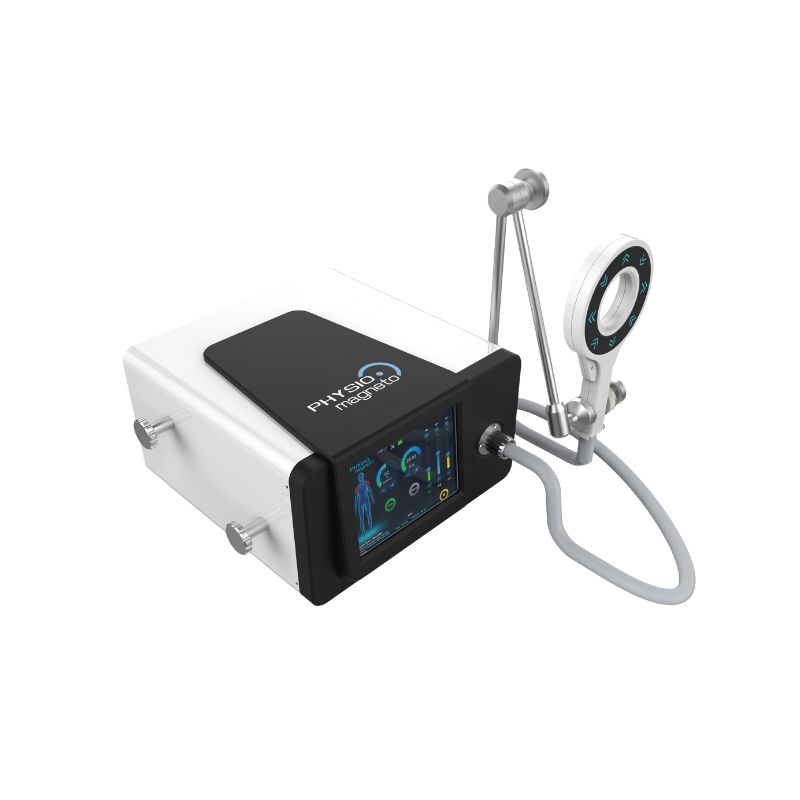
A fault should be treated as a system problem until evidence narrows its location. Record when the symptom occurs, which applicator and operating mode are in use, and whether the unit reports an alarm. This context matters for pulsed electromagnetic field therapy because pulse settings, duty cycle, and accessory configuration can affect the load placed on a coil. Do not open energized equipment or bypass protective features during diagnosis.
Begin by documenting what the operator can actually observe: no output, weak or uneven sensation, intermittent operation, an error message, or an applicator that becomes unusually warm. A pemf therapy device may stop output when a protection circuit detects a problem, so silence alone does not prove that the coil is damaged. Compare the symptom with the displayed settings and the operating instructions, and note whether it appears immediately or only after several minutes. This baseline keeps later checks focused.
Check whether the issue follows one applicator or remains when a compatible, approved accessory is connected. If the fault follows the same coil across permitted operating conditions, the accessory becomes a stronger suspect; if multiple accessories behave alike, inspect shared connections or the console. For pulsed electromagnetic field therapy, use only the manufacturer’s specified accessories and approved test procedure. Never substitute an improvised load, since it can create an electrical hazard and invalidate the observation.
With power disconnected as directed in the manual, inspect the housing, cable jacket, strain relief, connector pins, and visible coil surfaces. Look for cracks, deformation, discoloration, odor, looseness, or evidence of liquid ingress, without probing internal conductors. A pemf therapy equipment inspection should also note blocked ventilation and repeated bending at the cable entry. If a recovery therapy device shows heat-related symptoms, stop use and allow it to cool in a clear, ventilated area before any approved external check.
After visual inspection, verify that the unit is off before reseating the connector, then confirm the accessory is fully engaged and latched as designed. Examine the outlet, power lead, and connector for damage using the procedures permitted for the site. A pemf therapy device that faults when a cable is gently repositioned may have an intermittent connection, but do not flex a damaged lead to reproduce the fault. Tag questionable equipment and remove it from service pending qualified assessment.
Review the selected mode, intensity, timing, and accessory compatibility against the operating guide. Incorrect configuration can look like weak coil output even when the hardware is intact, while an incompatible combination may trigger a protection response. In pulsed electromagnetic field therapy, make one permitted setting adjustment at a time and record the result; changing several controls together obscures cause and effect. If a warning persists, follow the specified shutdown and escalation instructions instead of clearing alarms repeatedly.
Intermittent output after extended operation may point to thermal protection, restricted airflow, or use beyond the stated operating cycle. Allow the unit to cool as instructed, confirm vents are unobstructed, and compare the session pattern with the manual. A recovery therapy device should not be operated in a damp, dusty, or unusually hot location unless its documentation permits those conditions. Persistent heat, burning odor, visible damage, or recurring cutouts requires service assessment, not continued treatment.
Operators can document symptoms, verify approved external connections, review settings, and perform manufacturer-authorized checks. Internal coil resistance tests, insulation checks, solder repair, and control-board measurements belong to trained service personnel using suitable procedures and instruments. A pemf therapy equipment fault should be recorded with the unit identification, accessory used, settings, alarm text, and conditions observed. This record helps technical staff reproduce the event without exposing users to unsafe trial-and-error.
Do not return an applicator to clinical or operational use simply because a warning disappears after restart. Service personnel should establish whether the coil, cable, connector, or drive circuitry caused the fault, then confirm the repair using the prescribed verification process. For a pemf therapy device, output consistency and protective functions matter alongside basic power-up. Keep the equipment out of service until the responsible technical team documents that it meets the applicable requirements for use.
Prevention depends on routine cable care, correct storage, clean and dry connectors, unobstructed ventilation, and operation within documented limits. Train staff to avoid pulling an applicator by its lead or sharply bending it near the connector. A recovery therapy device benefits from a simple log of operating hours, symptoms, cleaning, and service actions. Trend notes can reveal whether failures follow a particular accessory, environment, or usage pattern and support a timely maintenance decision.
Yes. A loose or damaged connection can interrupt output or trigger a warning, although it does not confirm coil damage. Turn the equipment off before checking external connections, and have persistent faults assessed. With pulsed electromagnetic field therapy, use only compatible accessories and approved checks.
Not automatically. Cooling may clear a temporary thermal condition, but recurring or unusual heat needs investigation before use resumes. Keep a recovery therapy device out of service if heat accompanies an odor, damage, or repeated shutdown, and follow the equipment’s service instructions.
Seek qualified service for visible damage, intermittent output, persistent alarms, abnormal heating, or any suspected internal electrical fault. A pemf therapy equipment user should not open the enclosure or attempt coil repair. Document the symptoms and keep the pemf therapy device unavailable until the authorized team completes its checks.

