

 EN

troubleshooting-compressor-noise-problems-on-shockwave-machines, troubleshooting-compressor-noise-problems-on-shockwave-machines, /blog
EN
A compressor that suddenly rattles, hums, or cycles more often can interrupt treatment and signal a maintenance issue. Troubleshooting noise on a shockwave machine starts by describing when the sound occurs, where it seems to originate, and whether output or airflow has changed. A careful check helps distinguish normal operating sounds from conditions that require the machine to be switched off and assessed.
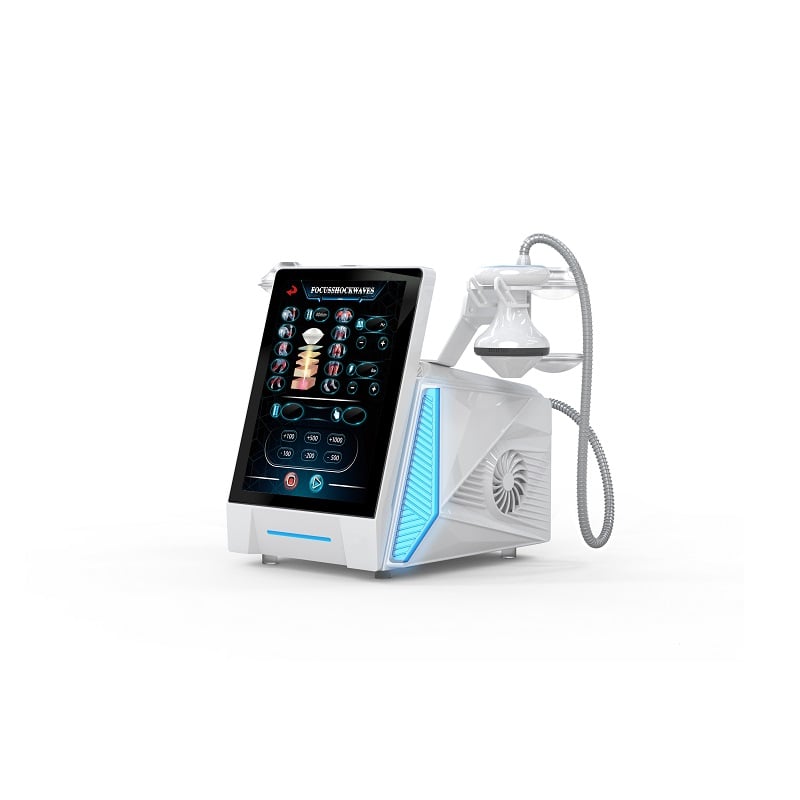
Noise alone does not identify a failed part. A shockwave device may produce routine fan or compressor sounds, while a new metallic vibration, repeated clicking, or irregular pulsing deserves investigation. In a clinical setting, record the operating conditions and pause use if the sound is severe, accompanied by overheating, or associated with unstable treatment delivery. These observations give service personnel a more useful starting point.
Listen from a safe distance during startup, standby, and treatment, without opening the enclosure. Note whether the sound begins as soon as the shockwave machine powers up, only when treatment starts, or after several minutes of operation. A steady low hum can differ from a sharp knock or squeal, and that distinction may help a technician narrow the likely source.
Record the selected settings, duration, and whether the sound changes with treatment intensity. If the shockwave device is quiet at startup but rattles under load, report that sequence rather than simply describing it as loud. Also note any changes in handpiece response, display messages, air movement, or treatment consistency. Do not keep repeating a session solely to recreate a troubling sound.
Fans and compressors can create audible airflow and mechanical vibration during routine operation. Compare the present sound with the machine’s usual baseline, not with another model, because design and room acoustics vary. If the shockwave unit sits against a wall, on an unstable cart, or beside loose equipment, vibration can transfer through surfaces and seem louder than the internal source.
A physiotherapy shockwave system that develops a harsh grinding noise, repeated impact, burning odor, or unexpected shutdown should be taken out of service pending assessment. Treat changes in output or temperature as relevant symptoms, not as separate issues. A simple written log can show whether noise is constant, intermittent, or linked to a specific treatment cycle, improving the quality of the eventual inspection.
Before assuming a compressor fault, check that the shockwave machine is level and stable on its intended surface. Ensure ventilation openings are not blocked by linens, storage, or a wall, and remove nearby objects that may vibrate. The unit should have the clearance described in its operating instructions. Never push tools, fingers, or cleaning materials through a vent to locate the sound.
Inspect accessible cables and external connections for visible damage, looseness, or tension, following the user manual. A shockwave device should be disconnected before permitted external cleaning or repositioning, and staff should not remove covers. Confirm that the handpiece and its approved accessories are attached as directed. A poorly seated accessory can produce a different operational sound, although it does not prove the compressor is healthy.
Room acoustics can amplify an otherwise modest hum, especially near hard walls or inside compact treatment spaces. Check whether carts, shelves, or panels resonate when the shockwave unit runs, but do not dampen vents or alter the machine. If moving it is permitted, relocate it only to a suitable, stable position and compare the sound at the same operating state.
For physiotherapy shockwave use, note whether noise occurs with one handpiece, across different approved accessories, or even while the system is idle. This comparison can help separate an accessory-related symptom from a compressor or enclosure vibration. Avoid changing several conditions at once; a clear, controlled observation is more useful than repeated adjustments that make the original problem harder to reproduce.
Stop treatment and power down according to the manual if the compressor makes a new, pronounced knocking or grinding sound, the casing becomes unusually hot, or the system reports a fault. Do not continue patient care to test whether the noise clears. If smoke, a burning smell, or electrical damage is present, keep the area safe and follow the facility’s equipment incident procedure.
A shockwave machine that has inconsistent output, repeated pressure changes, or recurring shutdowns alongside noise needs qualified technical attention. Make a note of the display message and operating circumstances, but do not attempt internal repair. Compressor systems may contain electrical and pressure-related hazards, so opening the housing or adjusting internal components is not an appropriate user-level troubleshooting step.
Before contacting service, document the model and serial details, approximate noise location, timing, treatment setting, and any warning shown. State whether the sound appeared after relocation, cleaning, or a change in routine. A short recording made from a safe distance may help if facility policy allows it, but patient information must not be captured or shared.
Follow the service instructions for the shockwave unit and keep it unavailable for treatment if safety or performance is uncertain. Explain whether the sound persists at startup, changes under load, or disappears after cooling; do not run extra cycles just to gather evidence. Clear records help the technician determine whether inspection, adjustment, or a replacement component is appropriate without encouraging unsafe experimentation.
A steady, familiar hum may be part of normal operation, depending on the design and treatment stage. Compare it with the established baseline for that shockwave machine. A sudden change, harsh vibration, unusual heat, odor, or unstable output should prompt a pause and assessment rather than an assumption that the sound is routine.
No. Staff should use only external checks permitted by the manual and leave internal inspection to qualified service personnel. A shockwave device can contain electrical and pressure-related components that present hazards. Record the symptoms, stop use when indicated, and follow the facility’s process for maintenance and equipment clearance.
Report when the noise starts, its character, whether it changes during a session, and any related fault message, heat, or output change. For physiotherapy shockwave equipment, include relevant settings and accessories used, plus recent movement or cleaning. This concise history helps service assess the issue without unnecessary operation of a potentially faulty machine.

