

 EN

troubleshooting-cooling-failures-in-diode-laser-hair-removal-machines, troubleshooting-cooling-failures-in-diode-laser-hair-removal-machines, /blog
EN
Cooling problems in a diode laser hair removal machine can interrupt appointments, reduce treatment consistency, and create safety concerns. Troubleshooting should begin with observable symptoms rather than repeated operation: check alerts, airflow, water circulation, and handpiece temperature before deciding whether the issue is a simple setup fault or needs qualified service.
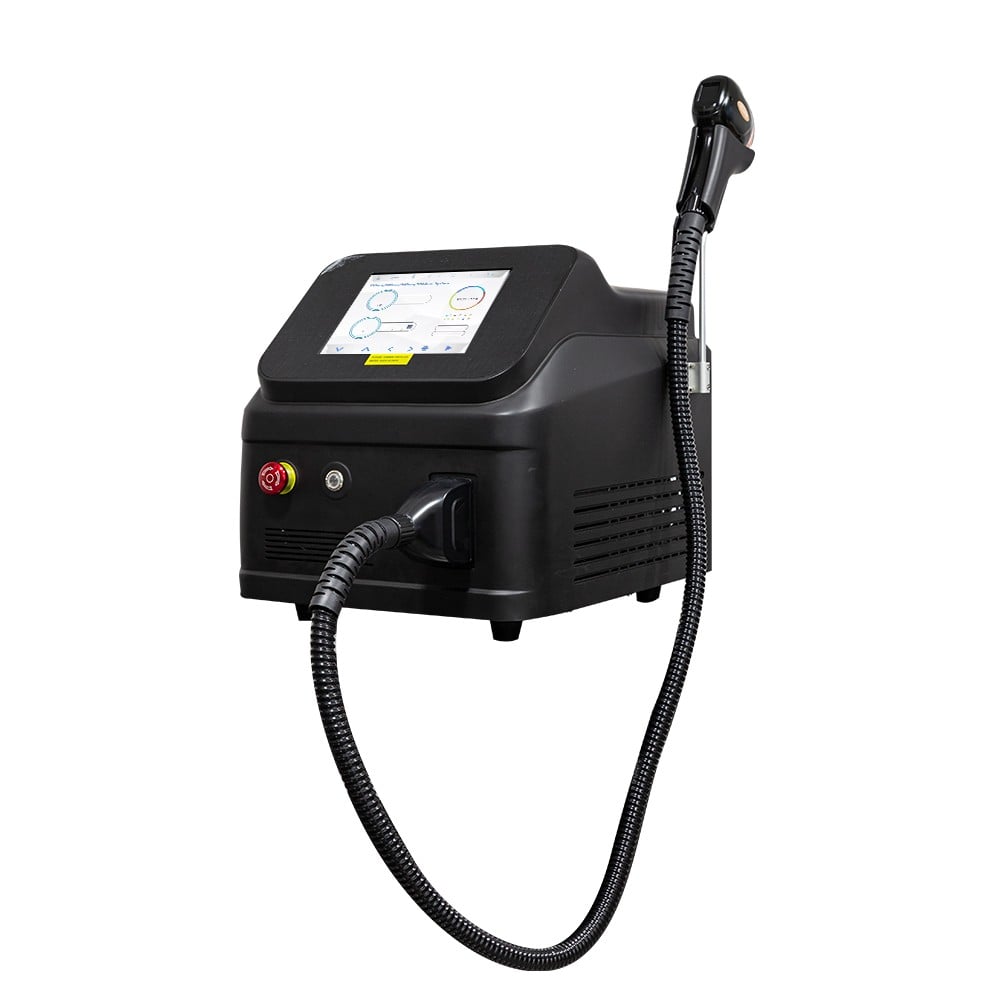
A hair removal laser depends on controlled heat management: the treatment source produces energy while cooling components help protect the handpiece and maintain a stable operating environment. For an 808nm diode laser, understanding the cooling path and the professional hair removal device instructions helps staff separate normal warm-up behavior from a developing fault.
Start by recording the displayed alarm, when it appears, and whether it follows startup, a long treatment, or a change in settings. A diode laser hair removal machine may report water flow, temperature, or system faults, but an alert alone does not identify the failed component. Compare it with unusual pump noise, weak airflow, leaks, or a handpiece that becomes hotter than usual.
Check whether the hair removal laser reaches its normal ready state and whether the warning returns after an approved restart. On an 808nm diode laser, stop treatment if cooling warnings persist, the handpiece feels unusually hot, or output becomes inconsistent. Follow the device procedure rather than repeatedly clearing alerts, since restarting can hide a symptom without correcting its cause.
Room temperature, blocked vents, accumulated dust, and long treatment sessions can all increase cooling demand. A professional hair removal device placed too close to a wall may not release heat effectively, while a diode laser hair removal machine with an obstructed intake may show temperature instability even when its internal parts remain functional.
Confirm the unit is on a stable, level surface with required clearance, and check that nearby objects do not block vents. Compare the treatment room conditions with the operating manual. If the hair removal laser works normally after airflow is restored, document the correction and monitor it; if symptoms remain, avoid assuming that room conditions were the only cause.
If the equipment uses liquid cooling, inspect the reservoir level and visible tubing only as directed by the manufacturer. A diode laser hair removal machine may stop firing when flow is inadequate, so look for kinks, loose external connections, visible leakage, or a pump sound that differs from normal operation. Do not open sealed panels or bypass a flow sensor.
Use only the specified coolant and refill method; unsuitable fluid or contamination can affect circulation and maintenance requirements. An 808nm diode laser needs the configured flow path to remain unobstructed, while a professional hair removal device may require a particular fill level or priming sequence. If a leak is visible, power down safely and contact service rather than continuing sessions.
With power off and following the manual, examine external air inlets for lint, dust, or coverings left in place during installation. A hair removal laser needs clear ventilation around its enclosure, and cooling fans should not be obstructed. Never insert tools into a grille or remove covers unless the maintenance procedure specifically permits it.
Inspect the handpiece cable and accessible connectors for damage, moisture, or strain, without pulling or disconnecting components under power. If the diode laser hair removal machine cools inconsistently only at the handpiece, record when it happens and which treatment conditions precede it. This information helps technical support assess whether the issue lies in circulation, sensing, or a connection.
After correcting an external obstruction or approved fluid-level issue, follow the documented startup and self-check sequence. Do not use a hair removal laser on a client until warnings clear and the system reaches its specified ready condition. Keep energy settings unchanged during initial verification so that a new variable does not complicate diagnosis.
A professional hair removal device should be tested only in the manner described by its operating instructions, including any required test mode or handpiece check. Record the alarm, corrective action, ambient conditions, and result. If an 808nm diode laser still reports a cooling fault, shuts down, or heats abnormally, stop use and arrange qualified inspection.
A brief opening check can reveal low coolant, blocked ventilation, or a new warning before appointments begin. Keep service records for the diode laser hair removal machine, including cleaning, approved fluid changes, and recurring alarms. Consistent logs help identify patterns such as faults after long sessions or in a particular room.
Schedule maintenance at the intervals specified by the manufacturer, and train operators to recognize stop-use conditions. A hair removal laser is not ready for treatment merely because it powers on; stable cooling and cleared system checks matter. For a professional hair removal device, clear escalation rules prevent staff from attempting repairs beyond their training.
No. Stop treatment and follow the device instructions. A diode laser hair removal machine showing a persistent cooling alert should not be used until the cause is addressed and required checks pass. Do not bypass the warning or keep restarting the unit to complete appointments.
Note the alarm text, timing, room conditions, visible airflow obstructions, and any externally accessible fluid-level issue. Share these observations with technical support. Do not open sealed sections of a hair removal laser or attempt internal electrical or pump repairs unless authorized and trained.
Keep vents clear, follow approved cleaning and coolant procedures, and maintain service records. For an 808nm diode laser, use the specified startup checks and report changes promptly. A professional hair removal device benefits from trained operators and maintenance performed to its documented schedule.

