

 EN

troubleshooting-electrode-wear-issues-in-tecar-therapy-sessions, troubleshooting-electrode-wear-issues-in-tecar-therapy-sessions, /blog
EN
Electrode wear can make a tecar therapy session less predictable, but a worn contact surface is not always the root cause. In many cases, cleaning, cable condition, coupling, or technique creates symptoms that resemble hardware failure. A careful troubleshooting sequence helps clinicians identify the source before changing treatment settings or replacing an electrode.
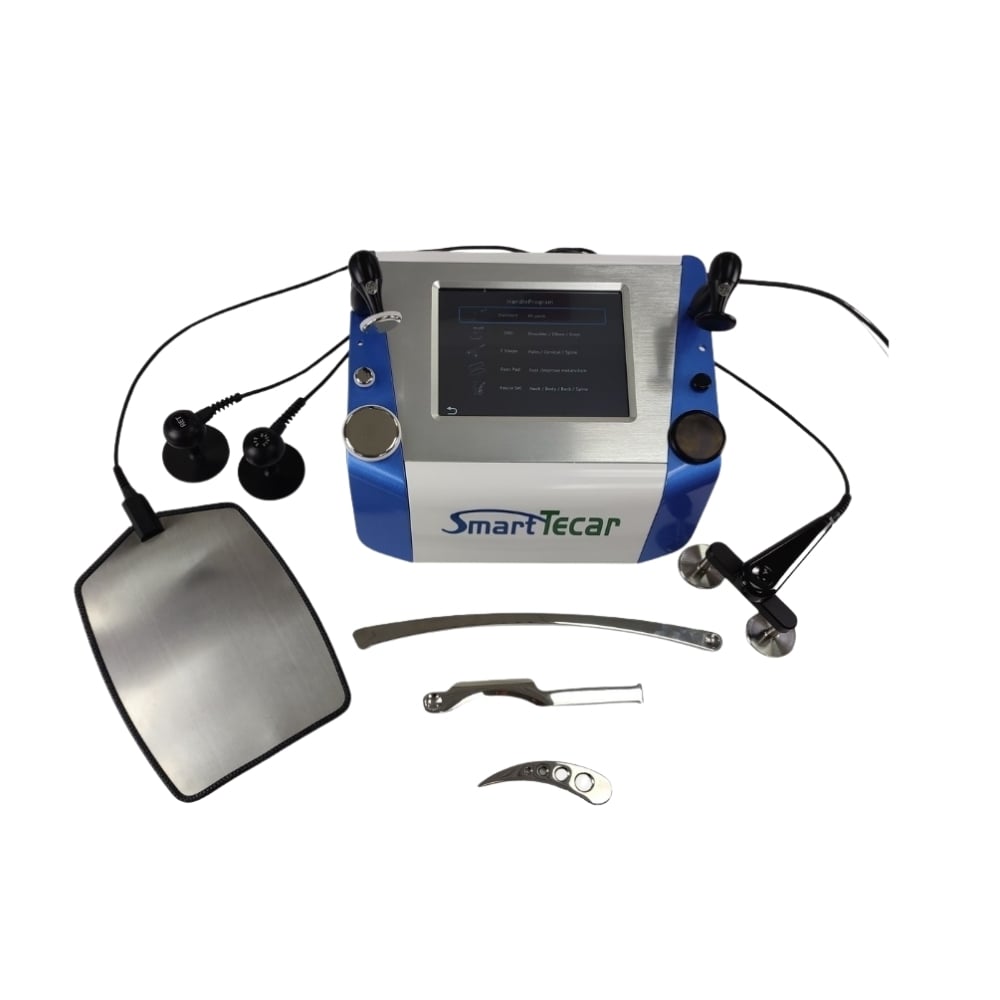
This guide focuses on practical checks for electrode wear during tecar therapy sessions: what to notice, how to isolate likely causes, and when to remove a component from service. It also explains how capacitive resistive electric transfer and deep heat therapy depend on consistent contact and controlled movement, so teams can distinguish normal variation from a problem that needs attention.
Start by recording what changed: treatment area, electrode, operator, contact medium, session duration, and the client’s reported sensation. In tecar therapy, uneven warmth, intermittent contact, a rough glide, or a localized hot sensation can point toward an electrode issue, but none proves wear by itself. A radiofrequency therapy device may also respond differently when the return path, cable, or patient contact is inconsistent.
Stop and reassess if discomfort is sharp, unexpected, or concentrated in a small spot. Do not try to overcome an irregular sensation by increasing output. During capacitive resistive electric transfer, stable contact and continuous movement matter; a damaged edge, residue, or uneven treatment medium can disrupt that contact and contribute to an inconsistent feeling. Note the exact point in the session when the symptom appeared.
With the system off and the electrode cool, inspect its working face, rim, handle connection, and cable entry under good light. Look for cracks, pitting, deep scratches, loosened parts, persistent discoloration, or a surface that no longer cleans smoothly. tecar therapy equipment used across many sessions can collect residue that mimics surface deterioration, so follow the device instructions for cleaning before judging the material.
Check the electrode against a known serviceable component if the equipment design permits safe substitution. If a symptom follows the electrode, wear or a connection at that component becomes more likely; if it remains with the same cable or channel, investigate that path instead. This distinction is useful for a radiofrequency therapy device because output irregularity may originate outside the treatment head. Never sand, reshape, or improvise a repair on a treatment surface.
Confirm that connectors are seated as specified and that cables show no cuts, sharp bends, exposed conductors, or strained joints. Inspect the return electrode and its contact area as carefully as the active head. For tecar therapy, an incomplete circuit can create confusing sensations that appear to come from the working electrode. With capacitive resistive electric transfer, both the selected mode and the correct accessories should match the intended setup.
Review the control panel for warnings and confirm that the selected program, intensity, and treatment duration reflect the clinical plan. If the device permits an approved functional check, use the documented procedure rather than testing output on a person to diagnose a fault. A radiofrequency therapy device should be taken out of clinical use if a warning persists, a connector is unstable, or the approved check fails; record the message and conditions for service.
Before concluding that the electrode is worn, check whether the recommended contact medium is being applied evenly and in an appropriate amount. Too little can impede smooth movement, while excess residue may obscure the surface and complicate cleaning. In deep heat therapy, sensation depends on treatment area, movement, contact, and individual response, so avoid treating a change in warmth as proof that output should be raised.
Use the movement pattern and contact pressure specified in the clinical protocol and device guidance. Avoid holding the head still over one point unless the instructions explicitly allow it. During capacitive resistive electric transfer, consistent motion and a broad, controlled contact path can help the operator recognize whether irregularity is tied to technique or hardware. In tecar therapy, a second trained clinician can observe the technique when the cause remains unclear.
Create a simple routine that includes cleaning after use, drying as directed, cable storage without tight coils, and a brief visual check before the next appointment. Follow the manufacturer’s instructions for approved cleaning products and accessory handling; unsuitable chemicals or abrasive tools may damage surfaces. Regular care supports tecar therapy consistency and makes new defects easier to notice before a session begins.
Keep a concise record of the electrode identifier, use history where available, observed condition, cleaning method, and any recurring symptom. This helps a clinic distinguish gradual wear from a sudden change after a drop, impact, or connection problem. For capacitive resistive electric transfer, consistent accessories and documented setup make session-to-session troubleshooting more meaningful. Deep heat therapy should always remain guided by the patient’s feedback and the approved clinical protocol, not by a desire to compensate for a suspect component.
Do not use an electrode with a crack, exposed material, loose assembly, persistent roughness, or any defect identified as unsafe in the device instructions. Label it clearly and separate it from usable accessories so it cannot return to a treatment room by mistake. If the issue persists with an intact replacement or appears across different heads, the radiofrequency therapy device or its connection path may require qualified technical inspection.
When reporting a problem, provide the model and accessory details, warning messages, cleaning history, session conditions, and the steps already taken. Avoid opening the unit or attempting electrical repairs unless you are authorized and trained to do so. The same disciplined approach applies to tecar therapy whether the concern is a worn face, inconsistent sensation, or repeated interruption: protect the client first, preserve useful evidence, then follow the approved service route. Deep heat therapy can resume only when the equipment passes the required checks.
No. Sensation can alert the clinician to a change, but contact medium, movement, return-path contact, and individual response can produce similar symptoms. Inspect the component and follow the tecar therapy device checks before drawing a conclusion.
Check cleanliness, visible surface condition, cable and connector integrity, return electrode contact, and the approved setup. In capacitive resistive electric transfer, confirm that the accessory and treatment mode are correct. If symptoms remain, remove the questionable part from use and seek qualified advice.
Stop using it when there is visible damage, an unresolved warning, unstable connection, or an unexpected sensation that cannot be explained through approved checks. Do not increase output to compensate. Resume deep heat therapy only after the equipment and accessories are considered safe under the applicable instructions.

