

 EN

troubleshooting-handpiece-wear-on-shockwave-therapy-machines, troubleshooting-handpiece-wear-on-shockwave-therapy-machines, /blog
EN
Handpiece wear can reduce treatment consistency, interrupt appointments, and create avoidable service costs. Troubleshooting a shockwave therapy machine starts with identifying what has changed: output, sound, heat, vibration, or the feel of the applicator. A structured inspection helps distinguish normal wear from a connection, operating, or maintenance problem before staff continue using the equipment.
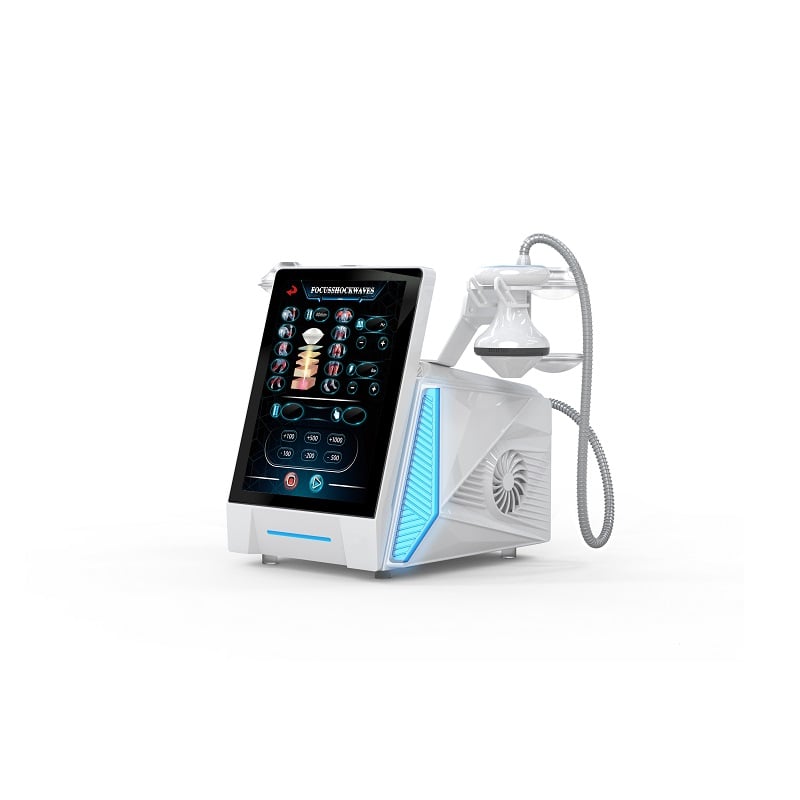
The goal is not to assume that every change requires replacement. In extracorporeal shockwave therapy, the handpiece is a working interface between the system and the treatment site, so wear can affect workflow as well as perceived treatment delivery. For musculoskeletal therapy teams, consistent checks and clear service records make it easier to decide whether cleaning, adjustment, or qualified technical support is appropriate.
Begin by comparing the current handpiece with its normal operating behavior, using the manufacturer’s instructions as the reference. A shockwave therapy machine may sound louder, produce unusual vibration, or feel hotter when a component is worn, loose, or incorrectly seated. A radial shockwave device can also show changes in applicator response, although the symptom alone does not identify the cause. Record when the change began and the settings in use.
Look for visible damage, scoring, unusual discoloration, or debris around the applicator and connection points. Do not treat a cosmetic mark as proof of failure, but investigate any new damage that affects secure assembly or smooth movement. If extracorporeal shockwave therapy sessions feel inconsistent, note whether the issue appears with one applicator, one handpiece, or every treatment configuration. That distinction can narrow the inspection without encouraging guesswork.
Routine cleaning and inspection can prevent residue or poor seating from being mistaken for deeper wear. Follow approved cleaning methods, keep fluids away from openings, and allow components to dry as directed. In musculoskeletal therapy, frequent daily use can make small changes more noticeable, so teams should establish a baseline for sound, handling, and visible condition. A radial shockwave device should never be opened or modified by staff unless its service instructions explicitly authorize the task.
First, pause treatment and power down the shockwave therapy machine according to its operating procedure. Inspect the handpiece exterior, applicator, cable, and accessible connection surfaces for cracks, looseness, contamination, or damage. Confirm that the components are assembled correctly and that the selected applicator matches the intended use. For extracorporeal shockwave therapy, a repeatable check helps staff compare findings across shifts instead of relying on memory.
Next, review the operating conditions associated with the symptom. Check whether the issue follows a particular setting, treatment duration, or applicator change, and confirm that staff are following the prescribed operating limits. A radial shockwave device may respond differently across applicators, so avoid drawing conclusions from comparisons made at different settings. Record the observation, but do not increase intensity simply to test whether the handpiece can overcome an irregular response.
Wear can be influenced by impact, incorrect storage, repeated assembly under tension, unsuitable cleaning, or operation outside the documented procedure. A shockwave therapy machine should be handled by its designated grip and stored so the handpiece and cable are not strained. In musculoskeletal therapy rooms, crowded carts and rushed room turnovers can expose components to knocks or twisting that are easy to miss during a busy schedule.
Review use and maintenance records for repeated symptoms, missed inspections, or a recent change in handling. Ask whether the handpiece has been dropped, whether a connection feels less secure, and whether the issue began after cleaning or a component change. These details help technical support assess an extracorporeal shockwave therapy system efficiently. If the cause is unclear, stop using a suspect component rather than continuing sessions while waiting for the symptom to worsen.
If inspection identifies a removable applicator that is dirty or improperly seated, follow the approved procedure to clean and reinstall it. Do not lubricate, sand, force, or substitute parts unless the service documentation specifically permits that action. A shockwave therapy machine should return to use only after the issue is resolved and required operational checks have been completed. For extracorporeal shockwave therapy, consistent setup is part of safe, repeatable clinical workflow.
When the symptom persists, stop and document the condition rather than repeatedly testing the handpiece in a treatment session. Note the equipment identifier, component in use, settings, observed behavior, and any recent maintenance. Include whether the issue occurs on a radial shockwave device with one applicator or across available configurations. This information supports a useful service assessment and reduces the risk of an unverified workaround becoming routine.
Request qualified service when there is visible structural damage, unstable connections, recurring abnormal heat or sound, or a persistent change in operation. A shockwave therapy machine may need inspection beyond what users can safely perform. The linked shockwave therapy machine illustrates the type of system whose operating guidance should inform routine checks; the model’s documentation remains the authority for maintenance and service limits.
Set a monitoring threshold for minor observations that do not affect safe operation, and assign responsibility for follow-up. Record whether the condition changes after approved cleaning or inspection, then review the record at a defined interval. In musculoskeletal therapy, clear handover notes help prevent different staff members from repeating incomplete checks. A radial shockwave device should be removed from clinical use whenever its condition creates uncertainty about correct operation.
Stop use and seek qualified guidance for cracks, loose connections, abnormal heat, persistent unusual noise, or a marked change in operation. A shockwave therapy machine should not be used with a component that appears unsafe or cannot be assembled securely.
Cleaning may help when residue or incorrect seating is involved, but use only the approved method. For extracorporeal shockwave therapy, persistent changes on a radial shockwave device need inspection rather than repeated cleaning or improvised repair.
Use the documented handling, cleaning, storage, and inspection procedures consistently. In musculoskeletal therapy settings, staff training and concise maintenance records can reveal recurring handling issues early and help protect components from avoidable damage.

