

 EN

troubleshooting-inconsistent-output-in-endolaser-laser-systems, troubleshooting-inconsistent-output-in-endolaser-laser-systems, /blog
EN
Inconsistent output from an endolaser system can show up as changing tissue response, uneven energy delivery, or unexpected interruptions during a procedure. A practical troubleshooting process starts by separating equipment faults from setup, consumable, and workflow issues. For teams using a endolaser, documenting the symptom before changing settings helps protect safety and identify a repeatable cause.
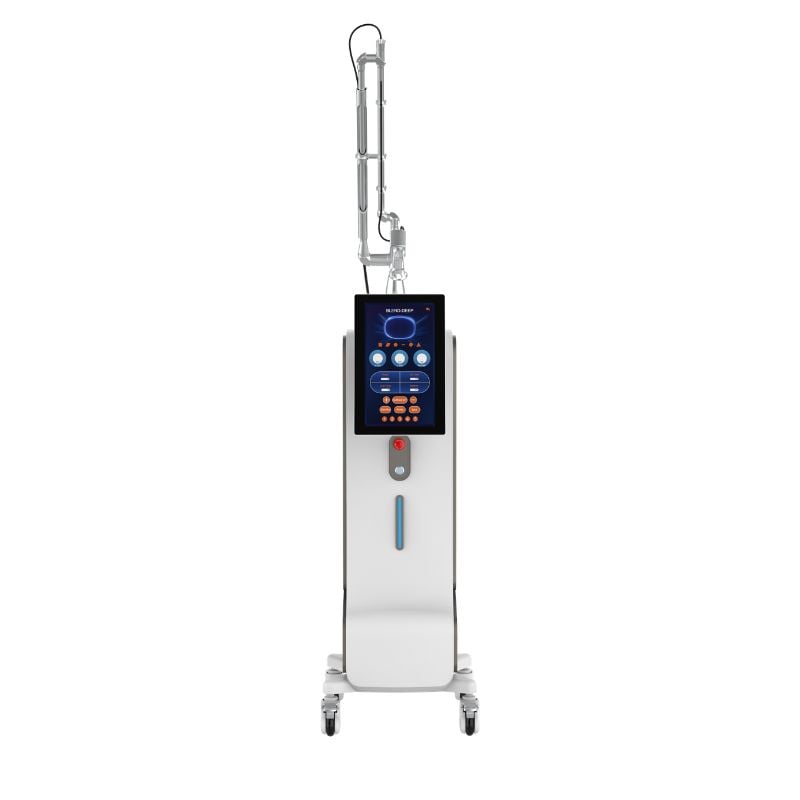
The same symptom can have different causes: a connection may be loose, a fiber may be damaged, or operating conditions may have shifted. During endolaser treatment, compare actual behavior with the system instructions rather than compensating immediately with higher settings. This approach applies to any minimally invasive laser device, including systems using a laser lipolysis fiber, where careful setup and consistent handling matter.
First describe what changed in observable terms. Note whether the endolaser stops firing, produces a different indication on the display, or appears to deliver energy inconsistently despite unchanged settings. Tissue response alone does not prove an output fault; movement, contact, treatment area, and operator technique can all affect what is seen. A clear baseline prevents assumptions from directing the investigation.
Record the selected mode, power, pulse or timing parameters, warnings, and the point in the workflow when the issue occurs. In endolaser treatment, compare like with like: the same preparation, compatible accessories, and a consistent technique. If a minimally invasive laser device gives a warning, preserve its exact wording for service review. Do not repeat a procedure solely to reproduce a fault if doing so could compromise safety.
Inspect the laser lipolysis fiber and its route before changing treatment parameters. Look for kinks, tension, visible damage, contamination, or a connection that is not fully seated, following the manufacturer’s handling instructions. A laser lipolysis fiber can be affected by handling and routing, so keep bends within specified limits and avoid pulling on the connector. Replace or quarantine a suspect accessory as directed, rather than attempting an improvised repair.
Confirm that the installed accessory is appropriate for the system and intended procedure. A minimally invasive laser device relies on compatible components and secure connections to deliver output as designed. Check the connector and handpiece for debris or wear without touching optical surfaces unnecessarily. If the endolaser still behaves inconsistently after approved setup checks, stop using it and escalate the issue instead of continuing to troubleshoot during active treatment.
Next compare the current configuration with the approved protocol and device instructions. Confirm the mode and parameters on screen, then verify that the intended values remain selected throughout operation. In endolaser treatment, an unnoticed mode change or incorrect setting can look like unstable output. Avoid increasing power to mask a weak response; the change may raise risk without correcting the underlying cause.
Review displayed alerts, interlocks, and readiness indicators in sequence. Record when each appears and whether clearing it changes behavior, but do not bypass a safety feature. The endolaser may limit or interrupt output when a required condition is unmet. Check only user-serviceable items described in the instructions; internal electrical, optical, or software faults require qualified support. A concise log helps distinguish an isolated setup issue from a recurring system problem.
Operating conditions can influence consistency, particularly if a device is used repeatedly or placed where ventilation is restricted. Check that vents are unobstructed and that the system is within its specified environmental range. If a minimally invasive laser device signals a temperature or cooling concern, follow the shutdown and recovery directions. Do not open the housing or continue firing to see whether the warning disappears.
Look for patterns across sessions: does the endolaser issue arise only after extended use, after transport, or when a particular accessory is installed? Note the timing, room conditions, and any recent changes in setup. A laser lipolysis fiber problem may follow the accessory rather than the console, while a persistent fault across accessories may point toward the system. These observations help technical staff narrow the cause without speculative adjustments.
Once immediate safety concerns are addressed, standardize the checks performed before each session. Verify the system’s readiness, approved settings, accessory identity, connection security, and fiber condition in the order specified by the instructions. For endolaser treatment, a consistent sequence reduces variation between operators and makes changes easier to detect. Keep the check practical and documented rather than relying on memory.
Train staff to describe faults with observable details, not vague labels such as weak or irregular. A useful report states what the display showed, which settings were selected, when the change occurred, and whether it followed a specific laser lipolysis fiber. This reporting standard improves handoffs and supports safer decisions. It also helps a minimally invasive laser device return to service only after the relevant checks have been completed.
If the endolaser continues to show inconsistent output, stop clinical use and contact authorized technical support through the approved channel. Provide the device identification, event log, accessory details, and any warning messages. Do not attempt calibration, internal repair, or software changes unless specifically authorized. A suspected output fault should be resolved by qualified personnel before routine operation resumes.
After a documented correction, follow the service instructions for verification and return to use. Confirm that the system passes required checks and that the original symptom is no longer present under approved conditions. For endolaser treatment, preserve the updated setup and maintenance record so future operators can recognize a recurrence. A controlled return-to-service process is more reliable than assuming that a reset alone has solved the problem.
Pause and record the symptom, settings, alerts, and timing. Then check the approved setup, connection, and laser lipolysis fiber for visible problems. Do not compensate by increasing power. If the cause is not clear or a warning persists, stop using the endolaser and request qualified support.
Yes. A damaged, kinked, contaminated, or incompatible laser lipolysis fiber may affect delivery. Inspect and handle it only as directed in the system instructions. If the issue follows a particular accessory, remove it from use as specified and document the details for service review.
Resume only when the issue has been assessed, required checks are passed, and any service directions have been followed. A minimally invasive laser device that continues to display warnings or inconsistent behavior should remain out of clinical use until qualified personnel confirm it is ready.

