

 EN

troubleshooting-low-energy-output-in-intense-pulsed-light-devices, troubleshooting-low-energy-output-in-intense-pulsed-light-devices, /blog
EN
When an ipl machine produces less energy than expected, first determine whether the issue is a setting, a delivery problem, or a component fault. A methodical check of treatment parameters, handpiece condition, cooling, and power can help isolate the cause without risking an unsafe test. This workflow applies to an intense pulsed light device used in a professional treatment environment.
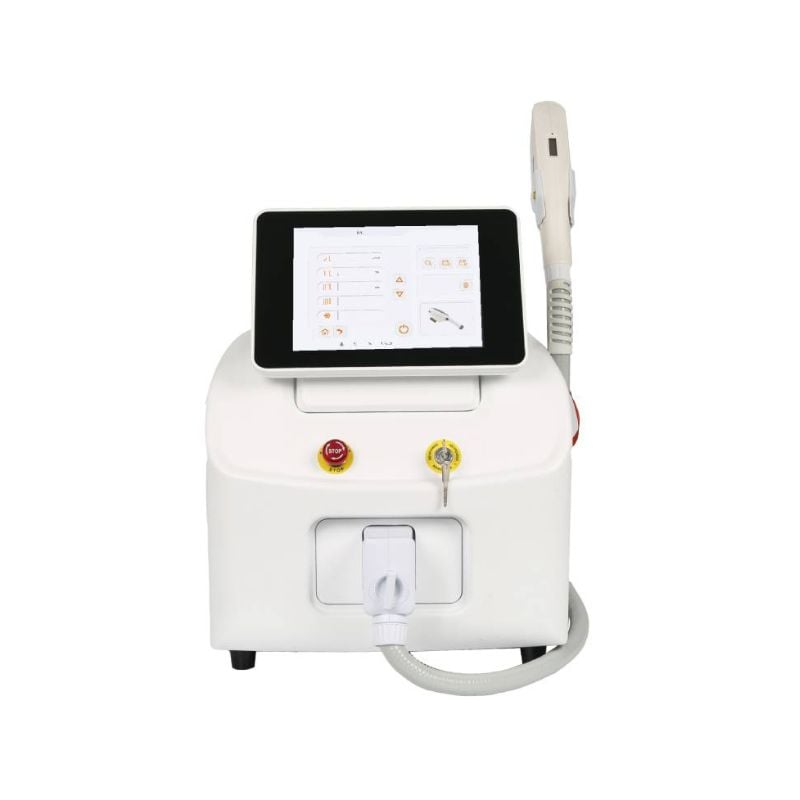
Low output can mean a displayed setting is low, a flash is inconsistent, or less light reaches the treatment area than the system indicates. For a skin rejuvenation device, confirm the symptom against the approved operating guide and recent service history. Photorejuvenation equipment should only be tested using the correct procedure, protective measures, and a suitable energy-measuring instrument.
Begin at the control panel before assuming a hardware failure. On an ipl machine, verify the selected mode, fluence setting, pulse sequence, filter, and any treatment preset against the intended protocol. An accidental mode change or a conservative preset can make energy seem weak even when the system is functioning normally. Compare the current configuration with the approved record, not with memory alone.
Check whether the displayed value refers to energy per pulse, a cumulative value, or another parameter defined by the equipment. An intense pulsed light device may adjust available output according to its selected filter or pulse structure. Confirm that the operator has not changed settings to accommodate a different indication, and never increase energy simply to compensate for an unexplained reduction.
Observe the complete ready sequence and note any warning, delayed charging, or unusually long interval between flashes. A skin rejuvenation device may limit operation when internal temperature, coolant status, or another interlock is outside its permitted range. Record the alert exactly and follow the manual, because repeatedly restarting a unit may conceal a developing fault rather than resolve it.
Inspect the handpiece window for residue, fingerprints, condensation, or damage, following the manufacturer’s cleaning instructions. Photorejuvenation equipment can appear to have weak output when contamination or poor contact reduces delivered light or changes the visible flash. Do not scrape the optical surface or apply an unapproved solvent. If the window is chipped, cloudy, or loose, stop use and arrange qualified inspection.
If settings and readiness are correct, check the handpiece cable, connector, filter seating, and window for visible wear. An ipl machine relies on a complete optical and electrical path, so a loose connection or aging lamp may cause inconsistent flashes. With the system powered down as instructed, inspect only accessible parts. Leave internal components sealed unless the service procedure explicitly permits access.
Look for a repeatable pattern: reduced output on every pulse, intermittent flashes, or an issue limited to one filter or handpiece. These clues help a technician distinguish a broad power problem from a local delivery fault. Photorejuvenation equipment should be evaluated with a calibrated meter and the specified measurement geometry; visual brightness is not a dependable measure of delivered energy.
Lamp aging, accumulated pulse use, or a failing connection can reduce consistency over time. Check service records and any pulse counter available on the intense pulsed light device, then compare the history with the maintenance schedule. A gradual decline across several sessions suggests a different pattern from a sudden drop after transport, cleaning, or a component change.
Cooling matters because excessive heat may trigger protective limits or shorten component life. Confirm the vents are unobstructed and that coolant indicators, circulation status, and room conditions meet the operating guide. A skin rejuvenation device that repeatedly pauses, alarms, or weakens as it warms needs assessment, not repeated firing. Avoid adding fluid or opening a cooling circuit unless the specified procedure authorizes it.
Write down the date, mode, filter, displayed setting, pulse behavior, warning messages, and recent maintenance. For an ipl machine, consistent records reveal whether low output follows a particular handpiece, treatment mode, or warm-up period. Compare readings only when the measuring instrument, setup, and test conditions are appropriate and approved. This makes a service report more useful than an estimate based on appearance.
After correcting an operator setting or an approved external issue, repeat the authorized check before returning the equipment to treatment. An intense pulsed light device should not be judged recovered merely because the flash looks brighter. Confirm that it passes the specified output check and that alarms remain clear. If the result is uncertain, keep the unit out of service until a qualified person evaluates it.
Stop operation for a cracked window, burning smell, unusual sound, unstable flashes, persistent error, fluid leak, or suspected electrical fault. Do not bypass an interlock, open a power supply, or increase fluence to mask a problem. When an ipl machine requires technical attention, share the recorded symptoms and measurements with authorized service personnel and follow local equipment-safety procedures.
A qualified technician can test output, inspect the lamp and power system, assess optical components, and determine whether calibration or replacement is needed. A skin rejuvenation device should return to use only after the relevant checks are documented. Clear acceptance criteria, consistent maintenance, and operator training help reduce repeat interruptions while protecting patients and staff.
Yes. Confirm the mode, preset, filter, and energy parameter first, then compare them with the approved protocol. If settings are correct but the measured output remains low, stop troubleshooting at the operator level and have the ipl machine checked using the prescribed test method.
No. Perceived brightness can vary with viewing conditions and does not establish delivered energy. A skin rejuvenation device requires an appropriate calibrated instrument and approved measurement setup for an objective check. Never look directly at a flash or test without required protective controls.
Remove photorejuvenation equipment from service when output is unstable, a warning persists, an optical surface is damaged, or safe operation is uncertain. An intense pulsed light device should be returned only after qualified evaluation and documented verification against its service criteria.

