

 EN

troubleshooting-needle-cartridge-faults-on-microneedling-machines, troubleshooting-needle-cartridge-faults-on-microneedling-machines, /blog
EN
A needle cartridge fault can appear as an error message, inconsistent movement, failure to lock, or a treatment handpiece that stops working. Troubleshooting a microneedling machine starts with isolating the cause rather than repeatedly restarting the system. Cartridge fit, connector condition, drive alignment, and operating settings are the first checks to make.
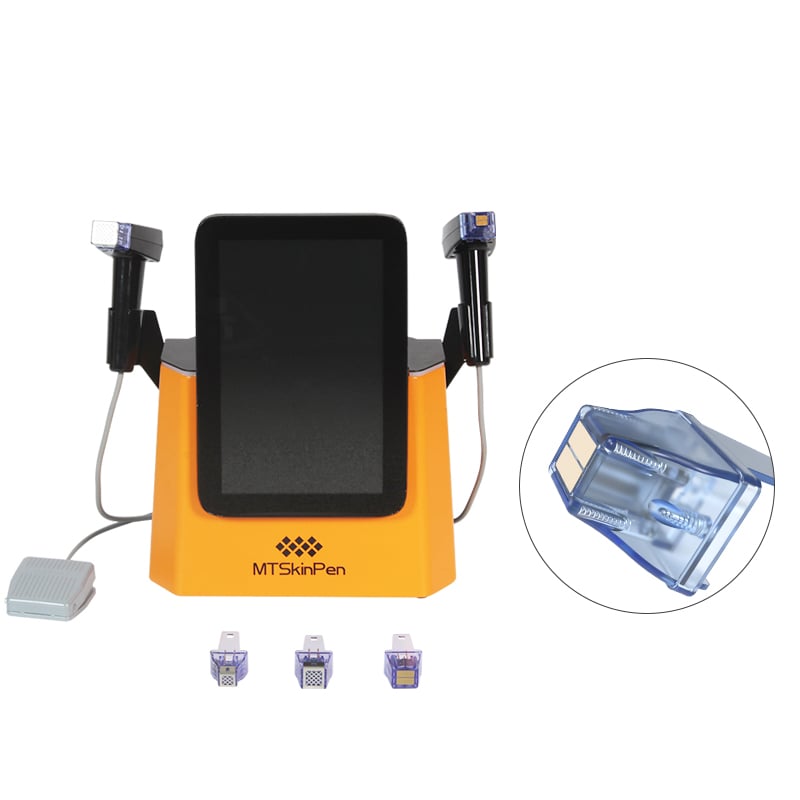
This guide follows a practical diagnostic sequence for clinics and service teams. It explains how to distinguish a cartridge issue from a handpiece or power fault, what to inspect without damaging components, and when to stop and request technical support. The same disciplined method helps protect skin needling equipment, including an rf microneedling device or another collagen induction device, from avoidable wear.
Record exactly what happens before changing anything: the display message, whether the handpiece is recognized, when the needle movement stops, and whether the problem occurs with one cartridge or several. Switch off the microneedling machine and follow its operating instructions before removing a cartridge. If the device has been used, apply the clinic’s infection-control procedure and do not handle a used sterile component as if it were reusable.
A cartridge that is difficult to seat may point to incorrect orientation, a damaged locking feature, or a mismatch between the cartridge and handpiece. Compare the connector and locking shape with the approved specification for that model. Skin needling equipment is not necessarily interchangeable across systems, so a cartridge that looks similar may still be incompatible. On an rf microneedling device, check the device documentation before assuming a needle-only cartridge is suitable.
Inspect the cartridge housing for cracks, bent contact areas, loose components, or visible contamination. Do not straighten pins, scrape contacts, or apply lubricant unless the service instructions explicitly allow it. If the collagen induction device recognizes another approved, unused cartridge but not the suspect one, the cartridge is a likely source; confirm this only with a controlled test permitted by the manufacturer.
If multiple approved cartridges produce the same alert, shift attention to the handpiece connection, cable, or control unit rather than continuing to swap parts. Reseat external connections only while the system is powered down and only as described in the manual. A microneedling machine may report a cartridge fault when the handpiece is not fully connected, so note whether the error changes after a safe reconnection. Never bypass an interlock to keep treatment running.
For a cartridge that will not lock, align its keyed features and use the fitting motion specified for the model; do not force the housing. Confirm that the latch engages and that the cartridge sits flush. With the microneedling machine switched off, look for debris around the receiver and inspect the handpiece opening without inserting tools. Damaged threads, a loose receiver, or repeated poor seating warrant service rather than improvised repair.
When a cartridge locks but movement is irregular, verify that the selected operating mode and settings are supported by the cartridge. Confirm the treatment handpiece is fully attached and the cable is free of sharp bends or visible damage. An rf microneedling device may have additional mode or connection checks, so use its specified setup sequence. Do not test needle movement against skin or another person while diagnosing a fault.
Low or unstable power, an interrupted connection, or an incomplete startup can resemble a cartridge problem. Check the approved power source, cable connections, and status indicators, then restart once according to the operating procedure. If the microneedling machine repeats the same error, document the code and stop repeated cycling. The collagen induction device should remain out of clinical use until the fault is understood.
Also confirm that the setup matches the procedure and device instructions, including the correct handpiece and compatible consumable. Skin needling equipment should be handled in a clean, organized workspace so loose caps, packaging fragments, and fluids cannot interfere with connectors. Keep records of the cartridge lot or identifier, device settings, and observed behavior. These details help technical support distinguish a consumable issue from an equipment fault.
After correcting a confirmed setup issue, use a new, approved cartridge and follow the manufacturer’s functional-check instructions. Confirm that the display recognizes the cartridge, the handpiece connects securely, and the system completes its prescribed check without an error. A microneedling machine should not return to service simply because a warning disappeared after restarting; verify normal operation using the procedure specified for that device.
If the fault remains, stop testing and record the conditions under which it occurs. Include the exact error, the cartridge identifier, connection checks, and whether another approved cartridge showed the same behavior. For an rf microneedling device, include the selected mode when relevant, without attempting unapproved electrical measurements. A clear record can reduce unnecessary part replacement and give service personnel a useful starting point.
Preventive habits focus on compatibility, careful fitting, and routine inspection. Train operators to check packaging integrity and the cartridge specification before installation, then avoid pulling the handpiece by its cable. Keep the collagen induction device clean according to its instructions, and never immerse or disinfect components with an unapproved method. Replace damaged parts through the authorized service process.
A recurring fault deserves attention even when it seems intermittent. Track the frequency, operating conditions, and affected cartridges so a pattern can be recognized before it disrupts a clinic schedule. Regular checks help keep skin needling equipment ready while avoiding unnecessary intervention in sealed assemblies. When instructions are unclear, a microneedling machine should remain out of use until qualified support confirms the next step.
Common causes include incorrect orientation, an incompatible cartridge, damage to the locking feature, or a problem with the receiver. Power down the microneedling machine, check the model-specific fitting instructions, and do not force the cartridge. If an approved cartridge still will not seat, request service.
No. Follow the device instructions and resolve the warning before clinical use. An rf microneedling device or other collagen induction device should not be operated with a persistent cartridge alert or a bypassed safety feature. Record the message and contact qualified support if the approved checks do not clear it.
Arrange service when multiple compatible cartridges produce the same fault, a connector is damaged, movement remains irregular, or an error returns after the specified checks. Keep the microneedling machine out of clinical use until it passes the required verification process.

