

 EN

troubleshooting-swelling-after-shockwave-therapy-sessions, troubleshooting-swelling-after-shockwave-therapy-sessions, /blog
EN
Swelling after a session can be unsettling, but mild, short-lived local swelling may occur as tissue responds to treatment. The important step is to assess its timing, extent, and accompanying symptoms rather than assuming every change is either harmless or serious. This guide explains how to troubleshoot swelling after shockwave therapy and decide what to do next.
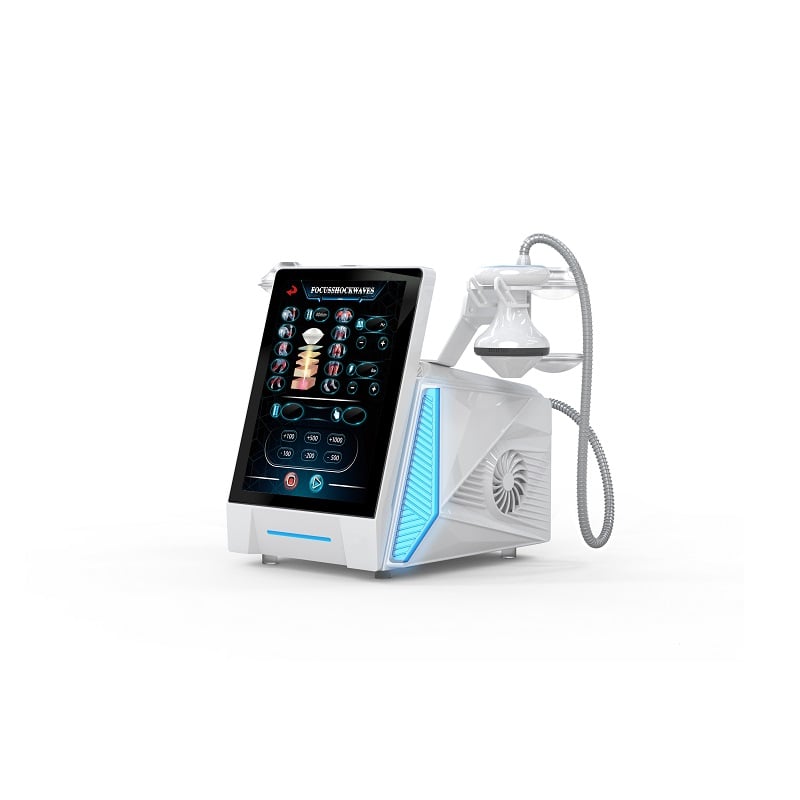
A sensible response starts with a clear baseline: where the swelling is, when it began, whether it is changing, and how much it affects movement or daily tasks. Record those details and contact the treating clinician if symptoms are pronounced, worsening, or unlike what was discussed before shockwave treatment. Do not adjust a care plan solely on the basis of general online guidance.
A session delivers acoustic pulses to a selected area. Local tenderness, temporary redness, or modest swelling can accompany the tissue response, especially when the treated region is sensitive or receives repeated pulses. In musculoskeletal therapy, the clinician selects treatment settings and placement for the individual case, so reactions may vary between people and treatment areas.
The term extracorporeal shockwave describes delivery of the pulses from outside the body; it does not mean that every person will have the same aftereffect. Swelling that remains limited to the treated area and gradually settles is different from a rapid increase or swelling that spreads. Ask the clinician what level of soreness or visible change is expected for your specific shockwave treatment plan.
Treatment intensity, the number of pulses, the location of application, and the condition of the tissue can all influence how the area feels afterward. A person who was already tender may notice a stronger temporary response than someone whose symptoms were mild. During shockwave therapy, report discomfort promptly rather than assuming that greater intensity produces a better result.
Recent activity can also complicate the picture. A long walk, demanding work shift, or return to exercise may add irritation that is hard to distinguish from a response to extracorporeal shockwave. Share changes in activity and any recent injury with the clinician. This context helps the care team interpret swelling and determine whether to modify musculoskeletal therapy or investigate another cause.
Note when the swelling first appeared and whether it changes over the following hours and days. A simple written record can include the location, visible size, tenderness, skin appearance, and effect on walking, gripping, or other relevant movement. After shockwave therapy, comparing the area with its usual appearance can be more useful than relying on memory alone.
Keep activity notes alongside symptom notes. If swelling becomes more apparent after loading the area, tell the clinician what activity preceded it and how long the change lasted. During musculoskeletal therapy, that pattern may guide advice on temporary activity changes. Avoid repeatedly pressing or massaging a tender area just to test it, since this can add irritation and make changes harder to interpret.
Contact the treating clinician promptly if swelling is severe, rapidly increasing, spreading well beyond the treatment area, or accompanied by worsening pain or substantial loss of function. Seek urgent medical assessment for concerning symptoms such as trouble breathing, faintness, fever with a hot or increasingly red area, or a suddenly swollen limb. These signs should not be treated as routine effects of extracorporeal shockwave.
A clinician can assess whether the symptoms fit the expected response, reflect an aggravation of the original problem, or need separate evaluation. Do not use the label shockwave treatment reaction to dismiss symptoms that are escalating. If you are unsure how quickly to seek help, describe the changes and ask the treating service for direct guidance rather than waiting for the next scheduled visit.
For mild swelling, reduce activities that clearly aggravate the area and follow the aftercare instructions provided by the treating clinician. Ask before applying ice, heat, compression, or topical products, particularly if you have a condition that affects sensation or circulation. Advice should reflect the treated body part and your health history, not a generic response to shockwave therapy.
Keep normal movement comfortable, but do not force a painful stretch or strenuous exercise to prove the area is improving. If swelling changes your gait, grip, or ability to perform work tasks, scale back the provoking demand and report the limitation. A careful response supports recovery while giving the clinician useful information about the effect of shockwave treatment.
Before another appointment, tell the clinician when swelling started, how long it lasted, what made it better or worse, and whether you had any warning signs. The clinician can review placement, session spacing, intensity, and activity guidance, then decide whether to proceed, modify the plan, or defer treatment. Extracorporeal shockwave should be adjusted according to the assessment, not continued automatically.
Readiness is not measured by a single symptom-free hour. Consider whether swelling is settling, function is returning toward baseline, and ordinary activity is tolerable, while following professional advice about timing. In musculoskeletal therapy, the next step may involve a modified session or another approach, depending on the cause. Clear communication makes shockwave therapy planning safer and more individualized.
Mild, temporary swelling can occur, but it is not guaranteed or automatically harmless. Its location, severity, duration, and associated symptoms matter. Ask your clinician what response is expected for your treatment area, and seek advice if the change is worsening or unusual. In musculoskeletal therapy, an individual assessment is more useful than comparing your reaction with someone else’s.
Do not decide on another session without discussing significant or persistent swelling with the treating clinician. They can review symptoms and determine whether to wait, change the plan, or assess another cause. Mild symptoms may not require the same response as rapid or painful swelling. Share your timeline and activity notes before resuming extracorporeal shockwave.
It may be a reason to review the session, but swelling alone cannot establish that settings were too intense. Tissue sensitivity, the treated condition, and activity afterward can also contribute. Tell the clinician what you experienced so they can assess the area and consider any adjustment. Discuss the reaction within your musculoskeletal therapy plan, especially if it recurs after shockwave treatment.

