

 EN

troubleshooting-unstable-output-in-focused-shockwave-devices, troubleshooting-unstable-output-in-focused-shockwave-devices, /blog
EN
Unstable output in focused shockwave therapy can appear as inconsistent pulses, changing treatment sensation, or results that vary between sessions. Before changing a protocol, determine whether the cause is the focused shockwave device, its setup, or the way output is being assessed. A structured check helps clinical and service teams isolate faults without confusing normal variation with a device problem.
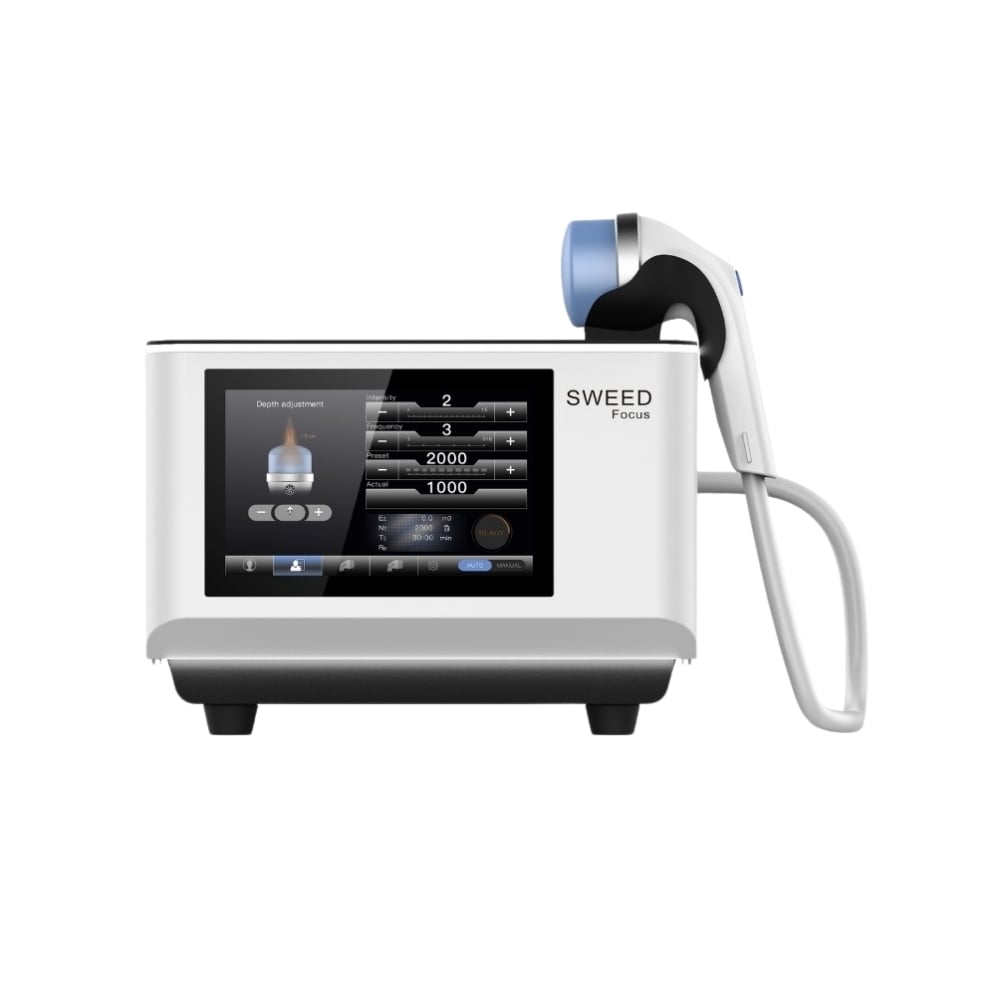
Because extracorporeal shockwave treatment depends on a controlled energy pathway, small differences in positioning, contact, or settings can affect what the operator observes. In orthopedic rehabilitation, reliable troubleshooting means documenting the symptom, checking conditions in a consistent order, and following the equipment instructions before returning to routine use.
Start by describing the instability precisely: note whether pulse delivery stops, the display changes, output feels different, or the issue occurs only with a particular applicator or setting. In focused shockwave therapy, this distinction matters because patient response is not a direct measurement of emitted energy. Record the focused shockwave device model, operating mode, selected intensity, and any warning indicators so the observation can be repeated.
Repeat the check under the same approved conditions rather than adjusting several variables at once. Confirm the power supply, connection points, handpiece seating, and any required startup sequence against the operating instructions. For extracorporeal shockwave workflows, a stable baseline makes it easier to identify whether a change follows the equipment or the treatment setup. In orthopedic rehabilitation, keep a concise service note that another trained operator can reproduce.
Inspect the applicator and contact surface for visible damage, contamination, loose fittings, or signs of wear, and clean only as the manufacturer permits. Coupling material and consistent contact can influence how energy is transmitted, so focused shockwave therapy should not be judged from a session where contact conditions changed. Check that the focused shockwave device is used with compatible accessories and that cables are routed without strain.
Consider whether the reported change follows a patient position, treatment site, or operator technique. For extracorporeal shockwave delivery, alignment and steady contact are part of the practical pathway between the handpiece and target tissue. Re-establish the approved setup, then compare like with like instead of increasing intensity to compensate for uncertainty. This approach supports orthopedic rehabilitation decisions while keeping device troubleshooting separate from clinical judgment.
Check that the selected program, energy level, pulse frequency, and treatment mode match the intended protocol and the device instructions. A setting may be changed unintentionally during handpiece handling or between users, creating an impression of unstable focused shockwave therapy. Verify the displayed values before treatment and after any pause. If a focused shockwave device offers adjustable focal depth, confirm that the selected depth is appropriate for the planned application.
Environmental and workflow factors also deserve attention. Confirm that the unit is installed on a stable surface, ventilation openings are unobstructed, and the power connection meets the stated requirements. Record whether instability follows a long operating period, a restart, or a change of outlet. These observations help service staff assess extracorporeal shockwave equipment without assuming a clinical cause, and give orthopedic rehabilitation teams a clearer basis for deciding whether use should pause.
If the instructions permit a test or verification routine, follow it exactly and document the result. Compare the same mode and settings each time, changing only one factor when authorized. Do not open the housing, bypass a safety feature, or attempt an improvised calibration. For focused shockwave therapy, a controlled comparison is more informative than repeated adjustments, while the focused shockwave device remains within its intended operating conditions.
When the problem appears only with one accessory, use only an approved compatible component to check whether the symptom follows that part. If the issue occurs across settings or persists after a correct setup, stop testing and escalate through the designated technical support process. This protects the extracorporeal shockwave delivery pathway from unsafe experimentation. In orthopedic rehabilitation, communicate the interruption and arrange an appropriate alternative plan rather than treating uncertain output as dependable.
After a confirmed correction, repeat the approved operational checks and document the conditions, result, and any replaced or serviced components. Return focused shockwave therapy to service only when the device passes the checks specified by its instructions or qualified service personnel. A focused shockwave device that still behaves unpredictably should remain out of clinical use until the issue is resolved, even if the symptom is intermittent.
Build a simple handover habit into the clinic workflow: operators should record settings, accessory status, cleaning, and unusual behavior in the same place. Routine inspection does not replace scheduled maintenance, but it can reveal recurring patterns early. For orthopedic rehabilitation teams, clear records also help distinguish an equipment concern from differences in patient positioning or treatment planning. Consistency makes future troubleshooting faster and safer.
When requesting technical assessment, provide the unit identification, symptom description, operating mode, settings, warning messages, accessory details, and steps already completed. Include when the issue began and whether it can be reproduced under the approved test conditions. This evidence helps service personnel assess the focused shockwave device without unnecessary repeat testing and supports a clear decision about repair, inspection, or continued downtime.
Keep clinical decisions separate from equipment repair decisions. A clinician determines whether a treatment plan remains suitable; qualified technical personnel determine whether the unit meets its operating requirements. That boundary is especially important in extracorporeal shockwave services, where consistent device behavior supports controlled treatment delivery. Once cleared, brief staff on the cause and corrective action so the orthopedic rehabilitation workflow does not repeat the same preventable setup issue.
Record the exact symptom, then verify the displayed settings, connections, applicator seating, contact conditions, and approved startup process. Focused shockwave therapy should be assessed under repeatable conditions, not by changing multiple settings at once. Stop use if the device shows a warning or continues to behave unpredictably.
Yes. Contact, positioning, and the treatment site can change the operator’s perception of delivery without proving that the equipment output has changed. In orthopedic rehabilitation, compare consistent conditions and follow the extracorporeal shockwave instructions before drawing a conclusion about a device fault.
Pause use when instability persists after approved checks, a fault indicator appears, or safe operation is uncertain. Document the issue and contact qualified technical support. Resume focused shockwave therapy only after the required verification confirms the unit is suitable for use.

