

 EN

troubleshooting-vacuum-seal-failures-in-cryolipolysis-applicators, troubleshooting-vacuum-seal-failures-in-cryolipolysis-applicators, /blog
EN
A vacuum seal failure in a cryolipolysis applicator can interrupt a session, trigger alarms, or prevent the handpiece from maintaining contact. Start by treating the symptom as a fault to isolate, not a reason to increase suction or bypass a safety control. Whether the cryolipolysis machine is new or in regular service, a consistent inspection helps distinguish a simple seal problem from a tubing, sensor, or system issue.
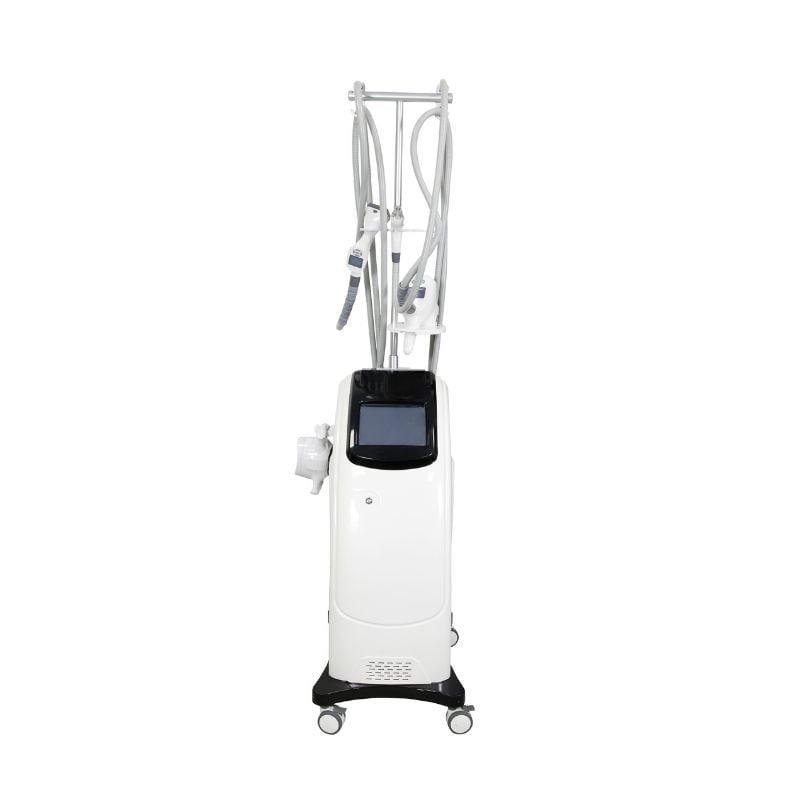
This guide follows a practical troubleshooting sequence: confirm the conditions, inspect the applicator and vacuum path, then verify the controls before returning equipment to use. A fat freezing device should be checked against its own operating instructions, since fittings, permitted cleaning methods, and alarm meanings vary. Careful checks protect the cryolipolysis treatment workflow while avoiding guesswork that could damage components or compromise safe operation.
First note whether suction fails during startup, after the cup is placed, or only after a period of operation. Record the displayed alarm, applicator used, selected settings, and whether the seal changes when the handpiece is repositioned. A cryolipolysis machine that fails before contact points toward a different cause than one that loses suction during movement. Keep the fat freezing device within its specified operating conditions while gathering these observations.
Check the cup, membrane, and skin-contact surface for residue, moisture, wrinkles, tears, or visible deformation. Even a small obstruction can prevent a stable seal, while a damaged consumable may allow air to enter at the rim. Inspect the body contouring equipment only as described in its instructions; do not use sharp tools or unapproved solvents. If the component is worn or damaged, replace it with the specified part rather than trying to reshape it.
If the cryolipolysis treatment uses more than one approved applicator, compare symptoms only by following the manufacturer’s procedure. A fault that follows one handpiece suggests a local seal, connector, or sensor issue; a fault that appears across applicators may point to the shared vacuum path or control system. Do not swap parts while the unit is running. Documenting the pattern gives a service technician useful evidence and reduces unnecessary adjustment of the cryolipolysis machine.
Check the connection between the applicator and the vacuum line for a loose fit, cracked collar, or trapped debris. Confirm that any user-serviceable connection is seated as instructed, then inspect the line along its accessible length for kinks, flattening, or visible damage. A fat freezing device cannot maintain suction if air enters through a compromised connection. Avoid pulling hard on hoses or opening the body contouring equipment enclosure, since internal repairs require qualified service.
Follow the vacuum route from the applicator toward the unit, checking accessible tubing and fittings in sequence. Look for moisture, residue, obstruction, or a line pinched by the cart or another object. If the cryolipolysis machine has a user-accessible filter, inspect or replace it only as directed; an incorrectly fitted filter can create its own leak. Keep the fat freezing device powered down when the manual requires shutdown before inspection.
Listen for an unusual hiss or a pump sound that changes as the seal is attempted, but treat sound as a clue rather than a diagnosis. A persistent hiss near a connector may indicate air ingress, while a pump that runs continuously can signal that the target vacuum is not being reached. Do not assume that increasing a setting will fix the cryolipolysis treatment. The body contouring equipment should operate within approved parameters, with abnormal noise recorded for service review.
After visible checks, reconnect only the parts the operator manual identifies as user-serviceable and repeat the approved startup check. If the cryolipolysis machine now holds suction, note what changed and monitor the next use according to the facility’s procedure. If the failure remains, avoid repeated cycles that may stress the pump. A fat freezing device with recurring vacuum loss needs a controlled diagnosis, not repeated attempts to force a seal.
Review the displayed vacuum reading and alarm behavior against the manual, including any startup delay or stabilization period. Check that the selected applicator is recognized and that the sensor or cable connection appears secure where inspection is permitted. A body contouring equipment control fault can resemble a leak if the displayed value is inaccurate. Do not disconnect electrical components under power or override an alarm to continue a cryolipolysis treatment.
A vacuum reading that fluctuates as the cup is held still may indicate a poor rim seal, an intermittent connection, or a sensor concern. Note whether the value changes with repositioning, and whether the same pattern appears after cleaning and correct assembly. This record helps distinguish an applicator issue from a wider cryolipolysis machine fault. Never treat a displayed number alone as proof that the fat freezing device is ready for use.
Check the power supply and startup sequence only within the user instructions, and note any recent transport, cleaning, maintenance, or component replacement. A loose external cable or incomplete connector seating can affect recognition, while internal electrical troubleshooting belongs to qualified service personnel. For body contouring equipment, keeping a brief maintenance log makes recurring faults easier to identify. Include dates, alarm codes, applicator identification, and the outcome of each approved check.
Once the suspected cause has been corrected, perform the manufacturer’s prescribed functional check before scheduling another cryolipolysis treatment. Confirm that the applicator seats correctly, the seal remains stable under the approved test conditions, and no alarm returns. The cryolipolysis machine should be used only when its checks pass. If a fault recurs, take the fat freezing device out of service and record the symptoms rather than testing it on a client.
Use approved cleaning products and fully follow the stated drying and assembly steps. Residue or moisture at the sealing surface can interfere with contact, while incorrect reassembly can leave a path for air. Keep body contouring equipment accessories organized so that compatible cups, seals, and lines are not mixed or stored under tension. These routine habits support a reliable cryolipolysis treatment process without substituting informal fixes for inspection.
Escalate the fault when a seal will not hold after external checks, a hose or fitting is damaged, readings remain erratic, or alarms persist. Give service personnel the model details, fault history, and observations rather than dismantling the unit. The cryolipolysis machine may require a pressure test, sensor assessment, or internal repair that is not an operator task. Do not return the fat freezing device to use until the required service and verification are complete.
Build a quick pre-use inspection into the normal workflow: examine the contact surface, confirm clean and dry components, check accessible connections, and review the startup result. A short, repeatable check is more useful than relying on memory after an intermittent fault. Assign responsibility for logging issues and tracking maintenance for the body contouring equipment. This makes it easier to spot patterns such as a recurring applicator, storage condition, or cleaning step.
Train operators to recognize the difference between a placement issue and a persistent equipment fault, while emphasizing that alarms must not be bypassed. Follow the user manual for consumable replacement intervals and service requirements, since visual condition alone may not reveal every defect. Consistent handling can reduce avoidable stress on a cryolipolysis machine, but it cannot replace scheduled maintenance. A reliable cryolipolysis treatment depends on sound equipment, correct setup, and clear escalation rules.
Common causes include an imperfect contact seal, residue or moisture, a loose connection, damaged tubing, or a sensor issue. Check visible, user-serviceable parts first and follow the cryolipolysis machine manual. If the fat freezing device continues to lose suction, stop use and request qualified service.
No. Do not exceed approved settings or use controls to mask a suspected leak. Recheck the seal and connections using the approved procedure, then remove body contouring equipment from service if the fault persists. A cryolipolysis treatment should proceed only after required checks pass.
Refer it when an alarm persists, suction remains unstable after permitted checks, or a component is visibly damaged. Record readings and symptoms, and do not open the unit yourself. Qualified service can assess the cryolipolysis machine and verify the fat freezing device before return to use.

