

 EN

understanding-ballistic-vs-electromagnetic-drives-in-shockwave-units, understanding-ballistic-vs-electromagnetic-drives-in-shockwave-units, /blog
EN
Understanding ballistic and electromagnetic drives starts with how each system creates and delivers acoustic energy. A shockwave machine may use either mechanism, and the drive type influences pulse generation, applicator design, operating sound, and the way clinicians manage a session. Knowing these differences helps buyers assess a shockwave device against clinical workflows rather than relying on a label alone.
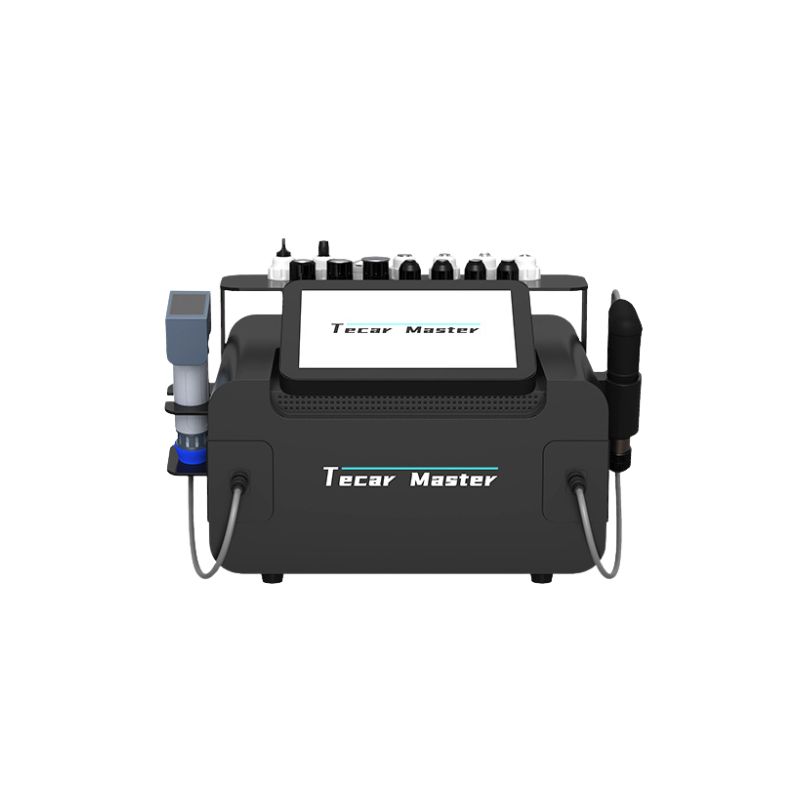
The central distinction is the energy pathway: ballistic systems use a projectile that strikes an applicator transmitter, while electromagnetic systems create a pressure wave through an electrically driven coil and membrane. Neither category is automatically right for every practice. Comparing a shockwave unit means reviewing intended use, controls, maintenance, and staff training alongside the drive technology, especially in physiotherapy shockwave applications.
In a ballistic design, compressed air accelerates a small projectile inside the handpiece. The projectile impacts a transmitter, converting mechanical movement into a pressure pulse that travels through the contact surface. This is the operating principle behind many radial systems, so a shockwave machine with this drive delivers energy from the applicator surface outward into tissue.
The operator typically adjusts settings such as pressure and frequency, then moves the applicator over the treatment area with suitable coupling gel. The shockwave device therefore depends on the handpiece, projectile, transmitter, air supply, and contact technique working together. Routine inspection matters because repeated impacts create wear on components, and a change in handpiece condition can affect consistency.
During physiotherapy shockwave sessions, clinicians may value a mechanical system's straightforward adjustment and familiar radial delivery. It can suit protocols that cover a broader surface area, depending on the clinical indication and device instructions. A shockwave unit should still be selected according to its documented applications, available applicators, and the training provided for safe operation.
An electromagnetic design uses an electrical coil to create a magnetic field that moves a membrane or related component. That rapid movement generates a pressure wave, which is transferred through the applicator. In this type of shockwave machine, pulse formation comes from electromagnetic actuation rather than a projectile striking a transmitter.
The design can support precise electronic control of pulse settings, but specifications and treatment characteristics vary by model. A shockwave device should be assessed using the manufacturer's technical documentation, not assumptions about all electromagnetic systems. Buyers should confirm which applicators are supplied, how settings are displayed, and what routine checks the shockwave unit requires.
Drive mechanism is one factor in how a session feels, but it does not determine comfort on its own. Energy level, pulse frequency, anatomical site, patient sensitivity, and operator technique all contribute. During physiotherapy shockwave treatment, begin within the device guidance and adjust in response to the individual, rather than expecting a drive type to guarantee a particular sensation.
Ballistic systems commonly deliver radial energy through a transmitter, while electromagnetic systems may be configured for different wave characteristics and applicator options. These distinctions affect how clinicians plan contact, movement, and coverage. A shockwave machine should be evaluated for the conditions and protocols it is intended to support, with attention to whether its delivery method fits the practice's established workflow.
Practical setup also matters. Consider how quickly staff can connect the handpiece, choose settings, apply coupling medium, and position the patient. If a shockwave device has several treatment modes, clear controls and accessible instructions help reduce setup confusion. The best fit is a shockwave unit whose workflow can be followed consistently across trained staff and routine appointments.
A ballistic handpiece contains moving impact components, so buyers should ask about inspection intervals, replaceable parts, and expected service procedures. Electromagnetic assemblies have different component needs, including electrical and membrane-related checks. For either shockwave machine, maintenance planning should be based on the operating manual and service arrangements available to the facility.
Noise, size, portability, and power requirements can shape room planning, although these features vary between models rather than following a universal rule for each drive. A shockwave device used in a shared clinic, for example, may need to fit a quieter room schedule or be moved between treatment spaces. Confirm measured specifications and practical setup requirements before purchase.
Start with the clinical applications the practice expects to provide, then check whether the device documentation supports them. Compare the intended delivery type, treatment parameters, compatible applicators, and contraindication guidance. A shockwave unit that matches the team's treatment scope is more useful than one selected solely because its drive sounds more advanced.
For a clinic focused on radial protocols and broad-area application, a ballistic configuration may align with familiar workflows. A practice prioritizing electronic pulse control or a specific applicator approach may investigate electromagnetic options. In either case, physiotherapy shockwave capability should be verified against the actual indications, settings, and training needs stated for the model.
Ask for a demonstration that reflects the practice's typical cases and room setup. Staff can assess handpiece balance, control visibility, adjustment steps, and cleaning procedures. A shockwave device should also provide clear instructions for patient screening and parameter selection. These practical checks reveal whether the shockwave machine can be integrated without disrupting appointment flow.
Compare the full ownership requirements, including consumables, replacement components, warranty terms, service response, and staff onboarding. Confirm what is included with the shockwave unit and whether accessories for planned protocols are supplied or optional. This prevents a comparison based only on the initial equipment configuration.
Implementation should include designated operators, documented cleaning and maintenance routines, and a process for recording treatment settings. Clinicians need time to learn the controls and apply the manufacturer's safety guidance before independent use. When the equipment supports physiotherapy shockwave work across several indications, protocol consistency becomes especially important for safe, repeatable practice.
Ultimately, the drive type is a technical distinction, not a substitute for clinical judgment. Select according to indications, delivery preferences, ease of use, serviceability, and the evidence and instructions applicable to the system. A well-matched shockwave machine is one that the team can operate appropriately and maintain reliably within its real clinical environment.
Ballistic drives commonly generate radial pressure waves through projectile impact, but terminology and system design can vary. Check the device documentation for its delivery method and intended applications before deciding whether it suits your protocol.
No. Patient sensation depends on the selected parameters, treatment location, individual response, applicator, and technique, as well as the drive. Follow the instructions for the specific shockwave device and adjust treatment within the prescribed guidance.
Confirm supported indications, applicators, operating requirements, maintenance procedures, service terms, training, and safety instructions. A demonstration using the clinic's likely workflow can help determine whether the equipment is a practical fit.

