

 EN

understanding-capacitive-vs-resistive-modes-in-tecar-therapy, understanding-capacitive-vs-resistive-modes-in-tecar-therapy, /blog
EN
Understanding capacitive and resistive modes means knowing how each delivers energy, which tissues it is designed to address, and how a clinician chooses between them. In tecar therapy, these modes are complementary approaches rather than competing treatments. Their practical differences matter when planning rehabilitation, selecting an applicator, and matching treatment to the patient’s goals.
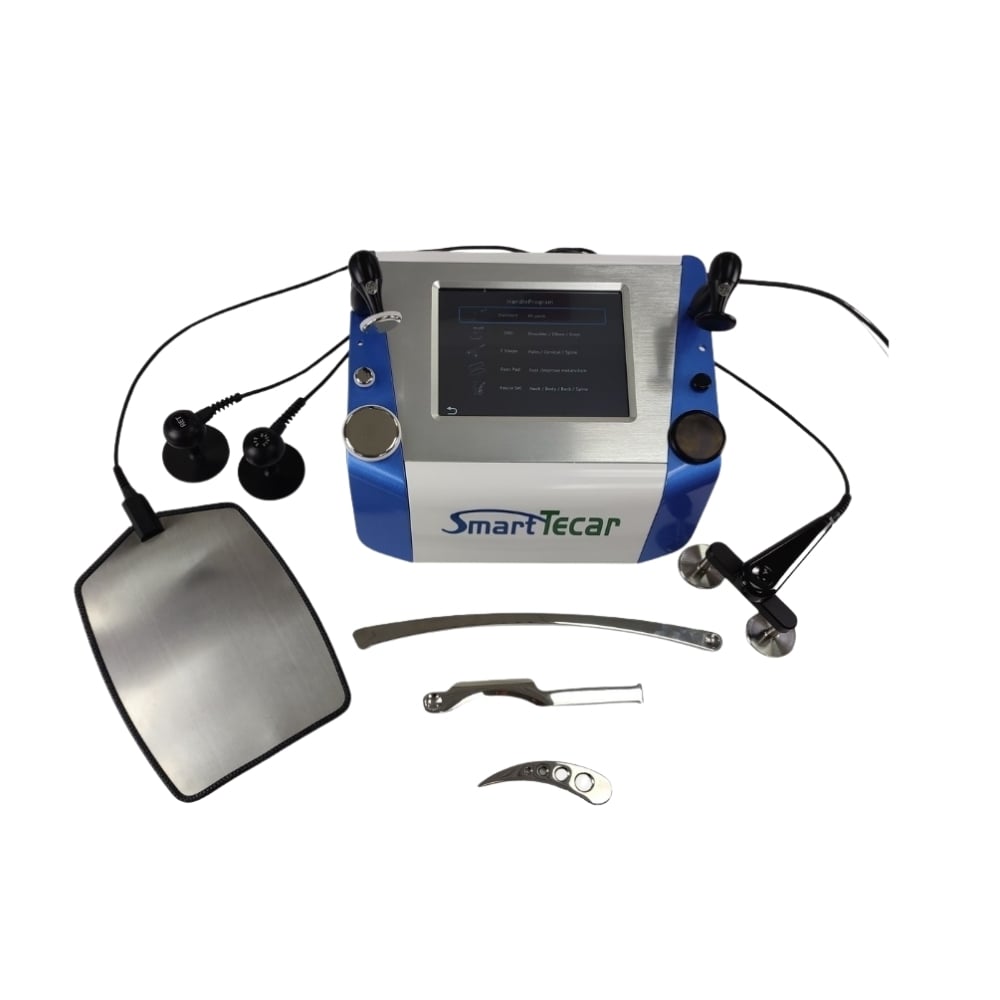
The key distinction is the interaction between the electrode and the tissue, not simply a different temperature setting. Capacitive resistive electric transfer describes the paired modes used in this approach, while a radiofrequency therapy device supplies the energy. Both can support deep heat therapy, but their effects depend on tissue properties, technique, and treatment parameters.
Capacitive mode uses an insulated electrode, with the patient and a return plate completing the circuit. The arrangement tends to concentrate energy in tissues with higher water content, such as muscle and other soft tissue. In tecar therapy, this makes capacitive application a considered option when a clinician wants to work with a muscular area rather than assume every structure responds in the same way.
The electrode glides over the skin with conductive medium, and the operator controls contact, movement, and intensity. Capacitive resistive electric transfer is therefore more than a machine setting; it is a choice about how energy couples with the treatment area. A radiofrequency therapy device does not automatically determine the result. Clinical assessment and patient feedback remain essential.
Resistive mode uses an uninsulated electrode. Its energy distribution is influenced by resistance along the current path, so denser, less hydrated structures may receive greater emphasis than they do under capacitive application. This can make resistive treatment relevant around tendons, ligaments, or joint regions, when the clinician judges those tissues appropriate targets for tecar therapy.
That distinction is not a promise that one mode reaches a precise structure or produces a fixed response. Capacitive resistive electric transfer must be applied with attention to anatomy, comfort, and the intended treatment area. Deep heat therapy describes a possible thermal effect, not a guarantee or a substitute for diagnosis. The clinician should adjust the session to the individual.
A useful starting point is the clinical objective: addressing a broad muscular region differs from working around a localized, denser structure. Capacitive application may fit a soft-tissue focus, while resistive application may be considered for deeper or less hydrated areas. In tecar therapy, these are planning cues, not rigid rules that replace examination or clinical judgment.
The clinician also considers the stage of rehabilitation, sensitivity, and the patient’s response to movement or touch. A radiofrequency therapy device offers delivery options, but the device cannot decide whether the session should emphasize comfort, mobility, or preparation for exercise. Deep heat therapy may be one part of the plan, alongside active rehabilitation and other clinically suitable measures.
Treatment should be adjusted as feedback emerges. The practitioner can monitor warmth, comfort, and any change in tolerance, then modify electrode movement or intensity. Capacitive resistive electric transfer works best as a guided clinical process, not a fixed sequence applied identically to every person. If a sensation becomes uncomfortable, the operator should reassess rather than push through it.
A patient may receive both modes during a care plan, but using both is not automatically necessary. The rationale should connect each application to the assessed area and session objective. For tecar therapy, recording the selected mode, treatment location, and response helps clinicians review whether deep heat therapy is appropriate and how the next session might be adapted.
Begin with a relevant history and examination, identify the area to address, and check contraindications in line with the device instructions and clinical protocols. Select the electrode and mode to match the treatment rationale, prepare the skin and contact medium as directed, and explain the expected sensation. A radiofrequency therapy device should be operated by trained personnel who understand its controls.
During application, maintain smooth contact and keep checking the patient’s comfort. The practitioner should not infer tissue response from a display alone. Capacitive resistive electric transfer depends on appropriate technique and attention to feedback, while tecar therapy should fit within a broader rehabilitation plan. Adjust or stop treatment when the response calls for reassessment.
Explain that mode selection is based on clinical reasoning, not a guarantee of a specific outcome. Deep heat therapy may describe the intended sensation or effect, but people can respond differently. Discuss the purpose of the session, how the patient can communicate discomfort, and how treatment relates to functional goals such as tolerating movement or progressing exercise.
Documentation makes the choice easier to review. Record the mode, electrode, anatomical region, settings used according to local practice, duration, and patient response. In tecar therapy, these details can clarify why capacitive resistive electric transfer was selected and whether future sessions should continue, change focus, or be reconsidered. Follow device guidance and applicable professional standards throughout.
No. Capacitive mode is often considered when the intended focus is tissue with higher water content, including muscle, but assessment determines suitability. In tecar therapy, capacitive resistive electric transfer choices should reflect the treatment goal, patient response, and clinical context. A radiofrequency therapy device setting alone does not establish the right approach.
No mode guarantees a particular depth or outcome. Resistive application may be selected for denser tissue targets, but electrode placement, technique, anatomy, and individual response all matter. Deep heat therapy is not proof that a specific structure has been reached. Follow clinical guidance and adjust treatment to the person.
Yes, when a clinician has a clear reason to use each mode and the approach is suitable for the patient. Capacitive resistive electric transfer can be adapted across sessions as goals evolve. The radiofrequency therapy device should be used according to training and instructions, while tecar therapy remains one component of a wider rehabilitation strategy.

