

 EN

understanding-cell-apoptosis-timing-after-fat-freezing-sessions, understanding-cell-apoptosis-timing-after-fat-freezing-sessions, /blog
EN
After a cryolipolysis treatment, fat-cell changes are gradual rather than immediate. Cooling can initiate a biological response in targeted fat tissue, but apoptosis—the controlled process by which affected cells are cleared—develops over time. Understanding this timeline helps clinics explain why a treatment area may look unchanged at first and why assessment should not be rushed.
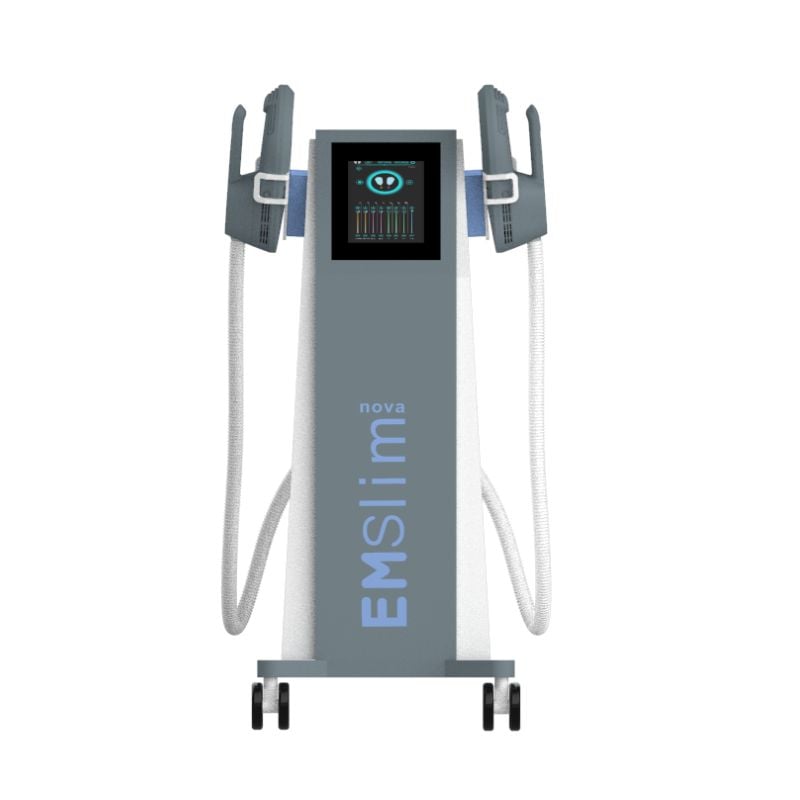
For operators evaluating a cryolipolysis machine or planning client follow-up, the key is separating the cooling session from the later tissue response. A fat freezing device does not produce an instant visual result; biological processing continues after the appointment. This guide explains the expected sequence, factors that affect interpretation, and how to set practical review points without promising a specific outcome.
During a session, controlled cooling exposes selected tissue to a temperature range intended to affect fat cells while limiting injury to surrounding structures. The cryolipolysis treatment ends before the full cellular response has run its course. In the following period, affected cells may undergo apoptosis, an orderly process distinct from immediate cell destruction, and the body gradually handles the resulting cellular material.
This means there is no reliable moment when a client can look in a mirror and identify apoptosis. A cryolipolysis machine delivers the session, while the subsequent response unfolds internally. As the fat freezing device is applied to a mapped area, clinicians should describe the process as progressive and variable, not as a switch that activates a guaranteed change on a particular day.
Early after treatment, temporary redness, firmness, swelling, tenderness, or altered sensation may affect how the area feels and appears. These short-term effects are not proof that apoptosis is complete or that the final contour is established. Good body contouring equipment supports consistent application, but it cannot make the body's clearance response immediate or identical from one person to another.
Over subsequent weeks, inflammatory and clearance processes can contribute to gradual changes in the treated layer. A cryolipolysis treatment should therefore be reviewed on a planned schedule rather than judged during the first few days. When explaining a fat freezing device, practitioners can distinguish temporary post-session sensations from later contour observations and note that visible response varies with anatomy, treatment area, and individual biology.
The treated region, thickness and distribution of tissue, applicator fit, and session parameters all influence how a procedure is delivered. A cryolipolysis machine must be used according to its instructions and the client's suitability, since treatment conditions are not interchangeable across every body area. The cryolipolysis treatment plan should reflect the actual target zone rather than a general calendar or a promised rate of change.
Clinicians should also consider baseline photographs, consistent positioning, and comparable lighting when discussing progress. A fat freezing device may be part of a broader service, but measurements and images need the same method at each review to make small differences easier to interpret. Body contouring equipment can support a repeatable workflow, while careful documentation prevents normal variation in posture or measurement from being mistaken for a biological result.
Apoptosis is a cellular process, not a visible countdown. Health history, tissue characteristics, treatment technique, and natural differences in clearance can all affect how a person experiences the weeks after a session. A cryolipolysis treatment may have a gradual course, yet an individual response cannot be inferred solely from another client's timeline or from the device settings used.
This is why consultation should cover realistic goals, candidacy, potential side effects, and the limits of noninvasive fat reduction. A cryolipolysis machine is only one part of the treatment context; practitioner training and an appropriate protocol also matter. For clear records, document the treated area, session date, relevant observations, and follow-up plan, then explain that any visible change may develop at a different pace for each client.
A useful follow-up plan gives the body time to respond and avoids treating an early appearance as a final outcome. The exact review interval should follow device guidance, clinical judgment, and local requirements. When discussing a cryolipolysis treatment, tell clients what changes to monitor and when to contact the clinic about unusual or persistent symptoms, rather than asking them to assess progress every day.
A consistent review can combine photographs, measurements, and a discussion of comfort and expectations. The fat freezing device itself does not determine the timing of the appointment; the purpose is to observe a meaningful interval after cooling. Body contouring equipment used in a clinic should be supported by a documented follow-up process, so each review compares like with like and captures concerns as well as perceived contour changes.
For a clinic assessing cryolipolysis services, timing education belongs alongside equipment selection, staff preparation, and client screening. A cryolipolysis machine should be evaluated for its intended use, operating instructions, applicator options, and service requirements. The cryolipolysis treatment workflow should also define how consent, records, and follow-up are handled.
Avoid presenting one timeline as a universal promise. A fat freezing device may be appropriate only for selected clients and target areas, and outcomes should be explained in measured terms. When comparing body contouring equipment, consider whether staff can use it consistently and communicate its limits clearly. The most responsible approach links the session, aftercare guidance, and later review without implying that apoptosis guarantees a particular amount or speed of visible change.
The cellular response can begin after controlled cooling, but it is not a single visible event or a precise date that can be confirmed by appearance. A cryolipolysis machine completes the session; the body's response continues afterward. A cryolipolysis treatment should be discussed as a gradual process, with timing and visible changes varying among individuals.
Immediate appearance may be affected by temporary redness, swelling, or other short-term effects, so it does not show the final contour response. A fat freezing device does not remove tissue instantly. Body contouring equipment supports delivery of a procedure, but any later change should be assessed over an appropriate interval and interpreted in light of the client's circumstances.
No. Clinics should explain that the response develops over time and varies by person, rather than guaranteeing a date or outcome. Follow device instructions, screen clients carefully, document the session, and arrange a suitable review. Encourage clients to report concerning symptoms instead of relying on online timelines or comparisons with other people.

