

 EN

understanding-controlled-cooling-in-cryolipolysis-treatments, understanding-controlled-cooling-in-cryolipolysis-treatments, /blog
EN
Controlled cooling is central to cryolipolysis because treatment depends on delivering cold to a selected area in a planned, monitored way. Understanding how the cooling process works helps clinics evaluate a cryolipolysis machine, prepare clients, and distinguish controlled application from simply exposing tissue to low temperatures. The goal is a repeatable procedure with appropriate screening and oversight.
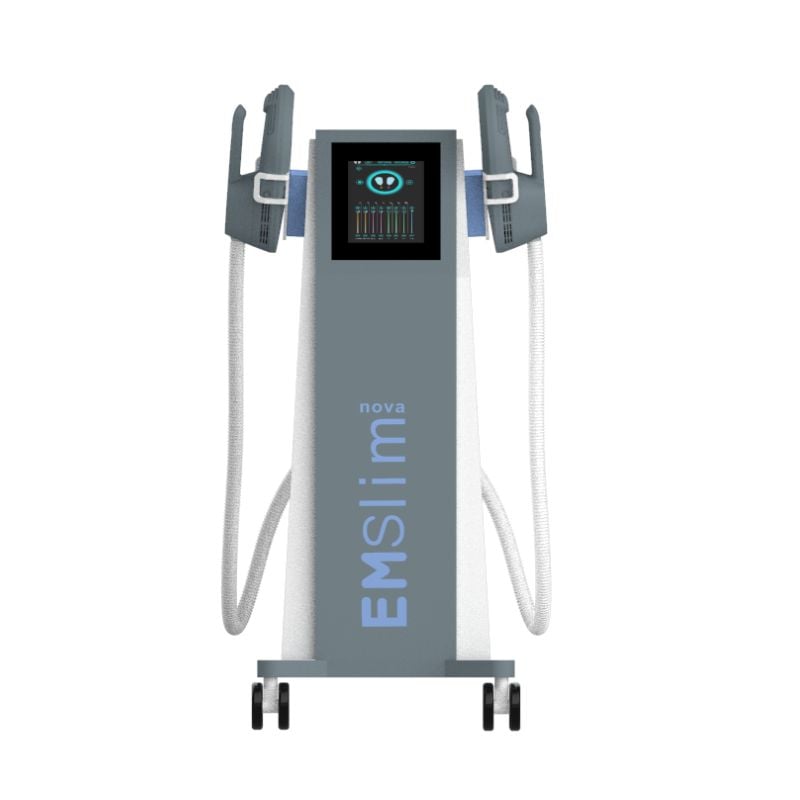
In practice, control involves more than selecting a temperature setting. Applicator fit, skin contact, session timing, and client comfort all affect how a fat freezing device is used. This article explains the cooling logic, operational checks, and limits that matter when a clinic considers body contouring equipment or plans a cryolipolysis treatment.
Cryolipolysis uses controlled cooling to expose a localized area to cold while surrounding tissue remains part of the clinical assessment. The procedure is not equivalent to applying ice at random: a cryolipolysis machine uses an applicator designed to contact and cool a selected area for a planned interval. A fat freezing device should therefore be understood as a treatment platform, not a substitute for assessment.
The practitioner selects an appropriate treatment area and applicator based on the client, anatomy, and intended protocol. Controlled contact helps make placement more consistent, while the settings and session duration guide the cooling cycle. For a cryolipolysis treatment, the equipment instructions and training should determine how the cycle is configured; assumed temperature values are not a safe basis for practice.
Good applicator contact supports a more even process, so positioning and the condition of the skin should be checked before cooling begins. If an applicator is poorly fitted, movement or gaps may affect the procedure and client experience. A cryolipolysis machine operator should verify placement rather than rely on a display alone, and the fat freezing device should be used according to its specified setup.
During a session, the practitioner remains responsible for observation and communication. Ask about comfort, watch for unexpected reactions, and follow the device instructions for pausing or ending a cycle. These checks apply whether a clinic is reviewing a cryolipolysis treatment protocol or evaluating body contouring equipment for a new service. Added monitoring does not replace appropriate screening.
Preparation starts with a consultation, relevant health history, and an examination of the proposed area. Confirm that the treatment is suitable, explain expected sensations and limitations, and document consent. A cryolipolysis treatment should not proceed simply because a client requests it. The cryolipolysis machine and its accessories also need routine inspection, cleaning, and setup in line with the manufacturer’s instructions.
Before placing the applicator, check the treatment area, protective materials, and fit. Record the selected area and planned settings so the session can be reviewed later. These steps help staff use a fat freezing device consistently and make body contouring equipment part of a controlled workflow rather than an isolated purchase. Clear preparation also gives clients a chance to raise concerns before treatment starts.
Once the cycle starts, keep the applicator correctly positioned and follow the prescribed timing. Do not extend a session or change settings to pursue a stronger sensation or a faster visible result. A cryolipolysis machine should be operated by trained personnel who understand its controls, alarms, and stop procedures. A fat freezing device should not be used outside its stated indications or operating guidance.
Record relevant observations, settings, applicator choice, and any interruption. This creates a useful account for follow-up and supports consistent practice across staff. In clinics using body contouring equipment for several services, separate protocols help avoid confusing one technology’s workflow with another. Staff should know which actions are permitted during a cryolipolysis treatment and when a supervisor or qualified clinician must review an issue.
When assessing a cryolipolysis machine, review its intended use, available applicators, operating instructions, service requirements, and staff training needs. Ask how the device supports controlled contact and how the operator monitors the cycle. A fat freezing device should fit the clinic’s space and workflow, but convenience alone is not evidence that it suits every client or treatment area.
Consider the complete service, not only the cooling unit. Body contouring equipment requires an appropriate treatment room, cleaning procedures, maintenance planning, and a clear route for handling client questions or adverse events. Staff should also understand which claims are supportable and how to explain the limits of a cryolipolysis treatment. Sound purchasing decisions connect technical documentation with clinical governance.
Controlled cooling is intended for localized contouring, not general weight loss or a replacement for health care. Results vary, and suitability depends on individual assessment. Practitioners should describe the process without promising a specific change or timeline. A cryolipolysis treatment plan should include realistic expectations, aftercare guidance, and a follow-up approach that reflects the client’s needs.
Clients may ask how quickly an area will look different or whether one session is sufficient. Explain that response and timing can differ, and that further treatment should only be considered after appropriate review. When a clinic presents body contouring equipment as part of a broader service, transparent discussion helps people distinguish a controlled procedure from a guaranteed outcome. Clear communication is part of responsible cooling practice.
It means applying cooling to a selected area using the device’s intended applicator, settings, and session timing, with trained supervision and client monitoring. A cryolipolysis treatment should follow the equipment instructions and appropriate screening rather than improvised temperature or timing choices.
Review intended use, applicator options, operating guidance, maintenance, training, and service workflow. Consider how the fat freezing device fits with existing body contouring equipment and whether staff can use it consistently within a documented protocol.
No. A cryolipolysis machine supports a procedure but cannot guarantee an individual outcome. Suitability, response, and timing vary, so practitioners should set realistic expectations and review each client before planning a cryolipolysis treatment.

