

 EN

understanding-energy-and-frequency-settings-on-shockwave-machines, understanding-energy-and-frequency-settings-on-shockwave-machines, /blog
EN
Understanding energy and frequency settings on a shockwave machine starts with separating two controls that affect treatment in different ways. Energy relates to the strength of each delivered pulse, while frequency describes how many pulses are delivered over time. For physiotherapy shockwave practice, reading those values in context matters more than choosing a number in isolation.
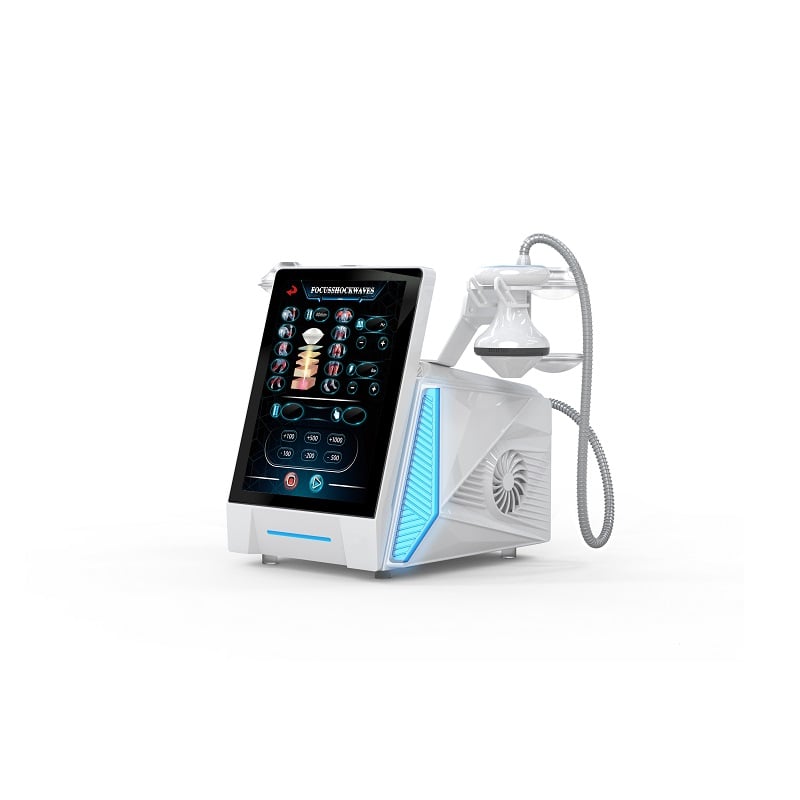
Controls vary by shockwave device and treatment technology, so the display should be interpreted against the specific unit’s manual and intended application. Energy and frequency are not interchangeable: changing one does not automatically produce the same change as adjusting the other. A sound setup considers the treatment goal, applicator, patient response, and session workflow together.
On a shockwave machine, the energy setting represents the output level assigned to each pulse, although the scale and units depend on the system. A higher displayed value generally means a stronger pulse under that device’s measurement convention, but it does not by itself prove that a treatment is more effective. The shockwave device documentation is the right place to confirm what its energy display means.
A clinician typically relates energy to the indication, target area, tissue tolerance, and prescribed protocol. Start within the guidance for the specific application rather than borrowing settings from another shockwave unit. Applicators and technologies can deliver energy differently, so equal-looking numbers across equipment do not necessarily represent equal output. A shockwave machine should be operated using its own instructions and clinical training.
Comfort and feedback are useful parts of treatment monitoring, but they do not replace clinical assessment. A physiotherapy shockwave session may require a gradual approach when sensitivity is high or the treatment area is tender. If the response is unexpectedly uncomfortable, pause and reassess technique and settings instead of assuming that more energy is needed.
Keep the treatment plan consistent enough to interpret responses from session to session. Note the selected energy, applicator, target, and relevant patient feedback according to clinic procedures. That record helps distinguish a true response to a setting change from differences in positioning or contact. On a shockwave device, adjustment should be deliberate, documented, and within the approved operating range.
Frequency usually indicates pulses per second, often shown in hertz. Raising frequency can deliver a planned number of pulses in less time, while lowering it extends the delivery period. It does not mean that each individual pulse has higher energy. On a shockwave machine, energy per pulse and pulse rate are separate settings with separate implications.
When selecting frequency, follow the protocol for the treatment and the limits specified for the shockwave unit. A faster rate may support a more efficient workflow, but pace alone is not a measure of clinical suitability. The clinician still needs steady applicator placement, appropriate contact, and ongoing attention to patient response. A shockwave device may also restrict available combinations of frequency and energy.
Frequency can affect how quickly a specified pulse count is completed, which makes it relevant to scheduling and patient experience. For physiotherapy shockwave care, the appropriate pace should fit the prescribed treatment approach rather than being chosen only to shorten a session. Staff should understand whether displayed frequency is adjustable during delivery or must be set before activation.
Consider the full sequence of setup, targeting, pulse delivery, and reassessment when planning time. A machine may display frequency alongside pulse count or treatment duration, and those indicators help the operator track delivery. Check the shockwave machine manual to understand how its timer responds to changes. Do not infer a complete protocol from frequency alone or assume every shockwave device handles controls in the same way.
Before treatment, verify that the selected program, applicator, and target match the intended application. Confirm energy and frequency against the device instructions and the clinician’s protocol. A shockwave unit may offer presets, but a preset should be checked rather than accepted automatically. Preset labels do not replace training or confirm suitability for every patient.
During delivery, maintain the intended contact and position while observing the patient and the equipment display. Change one relevant parameter at a time when adjustment is appropriate, then evaluate the response before making another change. This method makes it easier to understand what influenced comfort or workflow. For physiotherapy shockwave, consistent notes can support continuity among trained staff.
After a session, record the settings and observations required by clinic policy, including any interruption or adjustment. If energy or frequency values seem inconsistent with the expected display, stop and consult the manual or qualified service support before continuing. A shockwave device should be maintained and checked according to its manufacturer’s instructions; unusual readings should not be corrected by guesswork.
The practical goal is a repeatable, clinically appropriate process, not a universal energy or frequency number. Keep staff training current and make the protocol specific to the shockwave machine in use. Because a shockwave unit can differ in technology, applicator design, and available settings, document its operating conventions. Careful interpretation helps teams use physiotherapy shockwave controls purposefully without confusing pulse intensity with treatment speed.
No. A higher energy value indicates a stronger pulse according to that shockwave machine’s scale, but the appropriate setting depends on the application, protocol, and patient response. Follow clinical guidance and the device instructions rather than treating the largest available value as a goal.
Frequency generally changes the rate of pulse delivery, not the energy assigned to each pulse. Check the shockwave device display and manual because controls and terminology can vary. Use the shockwave unit within its stated operating limits.
Use the protocol for the intended application, confirm the equipment’s instructions, and monitor patient feedback throughout treatment. For physiotherapy shockwave, qualified clinical judgment and clear documentation matter more than copying settings between machines.

