

 EN

understanding-energy-flux-density-settings-in-shockwave-treatment, understanding-energy-flux-density-settings-in-shockwave-treatment, /blog
EN
Energy flux density is a key setting in shockwave treatment because it describes the energy delivered through each unit of treatment area. For a shockwave therapy machine, choosing an appropriate level means balancing the clinical objective with the patient’s response, the treatment site, and the device’s operating method. A setting is not a universal dose: it must be interpreted within a protocol and adjusted thoughtfully.
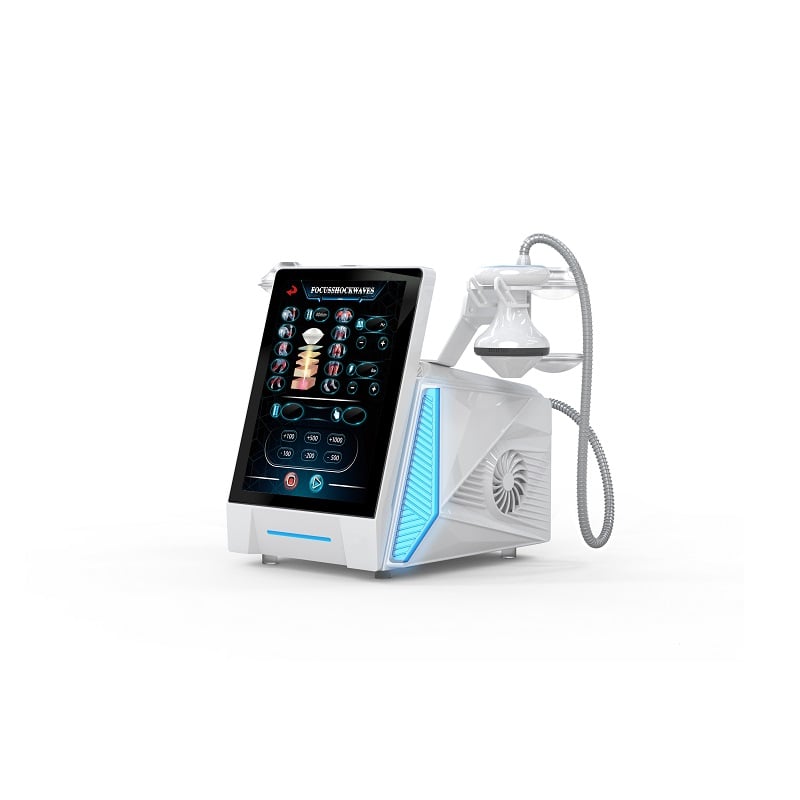
Understanding the number helps clinicians make treatment choices more consistently, but it does not replace assessment or training. In extracorporeal shockwave therapy, energy flux density must be considered alongside the applicator and pulse delivery. A radial shockwave device may express or control energy differently from a focused system, while musculoskeletal therapy goals vary with the tissue, condition, and stage of care.
Energy flux density, commonly expressed in millijoules per square millimetre, describes energy concentrated over an area during a shockwave pulse. It helps clinicians compare treatment intensity within the specifications of a particular system. On a shockwave therapy machine, the displayed value should be read according to the manufacturer’s instructions rather than treated as a stand-alone measure of effectiveness. In extracorporeal shockwave therapy, pulse count, frequency, applicator, and coupling also shape the delivered treatment.
The number is useful because it creates a defined reference for a session and can support repeatable documentation. It does not tell the whole story: tissue depth, contact, anatomical location, and individual sensitivity influence what the patient experiences. A radial shockwave device spreads energy from its applicator, whereas focused delivery concentrates energy differently. For musculoskeletal therapy, clinicians should match the setting to the intended target and the system’s validated operating range.
Settings should not be transferred casually between devices. A shockwave therapy machine may present energy, pressure, or another output measure, and values that look similar may not represent equivalent delivery. Extracorporeal shockwave therapy protocols therefore need to specify the equipment and applicator used, not simply a numeric setting. When a radial shockwave device is selected, its instructions and treatment head define how the output is interpreted for musculoskeletal therapy.
Begin by clarifying the clinical aim, treatment area, and patient factors before selecting intensity. The shockwave therapy machine setting should follow an evidence-informed protocol, device guidance, and the clinician’s assessment; it should not be chosen by chasing the highest available value. In extracorporeal shockwave therapy, the prescribed energy flux density is only one part of the plan. A radial shockwave device, for example, may require different considerations from focused delivery for the same broad musculoskeletal therapy objective.
Baseline symptoms and relevant history help establish a sensible starting point. Explain the expected sensation and agree on how the patient will communicate discomfort during application. A shockwave therapy machine operator can then use feedback alongside the treatment plan, while keeping the prescribed range in view. Extracorporeal shockwave therapy should be delivered with suitable coupling and applicator contact. For a radial shockwave device, placement and movement across the treatment region also matter in musculoskeletal therapy.
Where the protocol allows adjustment, make changes gradually rather than making large jumps in energy flux density. Observe tolerance and response, and pause or reassess if the patient reports unexpected or excessive pain. Record the shockwave therapy machine settings, applicator, site, pulse count, and relevant patient feedback. This gives later sessions a useful reference. In extracorporeal shockwave therapy, consistent notes make it easier to distinguish a planned adjustment from a change in technique or equipment.
Patient comfort is important, but sensation alone does not confirm that a setting is correct or that treatment is effective. Consider the treatment area, the patient’s condition, and the agreed protocol together. If a shockwave therapy machine setting produces a response outside what is expected, stop and review positioning, coupling, and clinical suitability. A radial shockwave device can feel different from focused delivery, so explain the approach before beginning musculoskeletal therapy.
Use the device’s operating instructions and local clinical procedures to guide contraindication screening, application, and maintenance. Extracorporeal shockwave therapy should be provided by trained personnel who understand the equipment and the treatment rationale. Avoid assuming that a higher energy flux density is automatically preferable, or that one setting suits every patient. For musculoskeletal therapy, individual assessment and informed consent remain central, even when a clinic uses a standardized protocol.
A practical record connects the setting to the treatment context. Document the shockwave therapy machine model or output mode, selected energy flux density, applicator, pulse frequency, pulse count, anatomical site, and any adjustment made during the session. In extracorporeal shockwave therapy, this level of detail supports continuity when several sessions are planned. It also helps clinicians review whether a radial shockwave device was used consistently and whether the approach remains appropriate for the musculoskeletal therapy goal.
Review response across visits rather than relying on a single session’s sensation. If symptoms, function, or tolerance change, reassess the plan and make any adjustment within clinical guidance. Keep the distinction clear between a recorded setting and a guaranteed outcome: energy flux density describes an input, not a promise of response. When staff share a clear protocol, a shockwave therapy machine can be used more consistently, and treatment decisions become easier to explain to patients.
No. Higher energy is not automatically more suitable. The shockwave therapy machine setting should reflect the clinical plan, device guidance, treatment site, and patient tolerance. In extracorporeal shockwave therapy, clinicians adjust only when appropriate and document the rationale.
No. A radial shockwave device and a focused system may deliver and display output differently. Check the specific device instructions and protocol; do not assume a numeric setting transfers directly. This distinction matters when planning musculoskeletal therapy.
Record the device output or energy flux density, applicator, treatment site, pulse details, and patient response. For musculoskeletal therapy, consistent notes support review of the plan. They also clarify how extracorporeal shockwave therapy was delivered and whether adjustments were made.

