

 EN

understanding-fluence-and-its-impact-on-diode-laser-hair-removal, understanding-fluence-and-its-impact-on-diode-laser-hair-removal, /blog
EN
Fluence is the energy delivered per unit area during a laser pulse, and it directly shapes how treatment energy reaches a target. Understanding fluence helps operators use a diode laser hair removal machine with more informed settings, rather than treating an energy value as a universal recipe. In a hair removal laser workflow, the right level depends on the person, treatment area, equipment, and protocol.
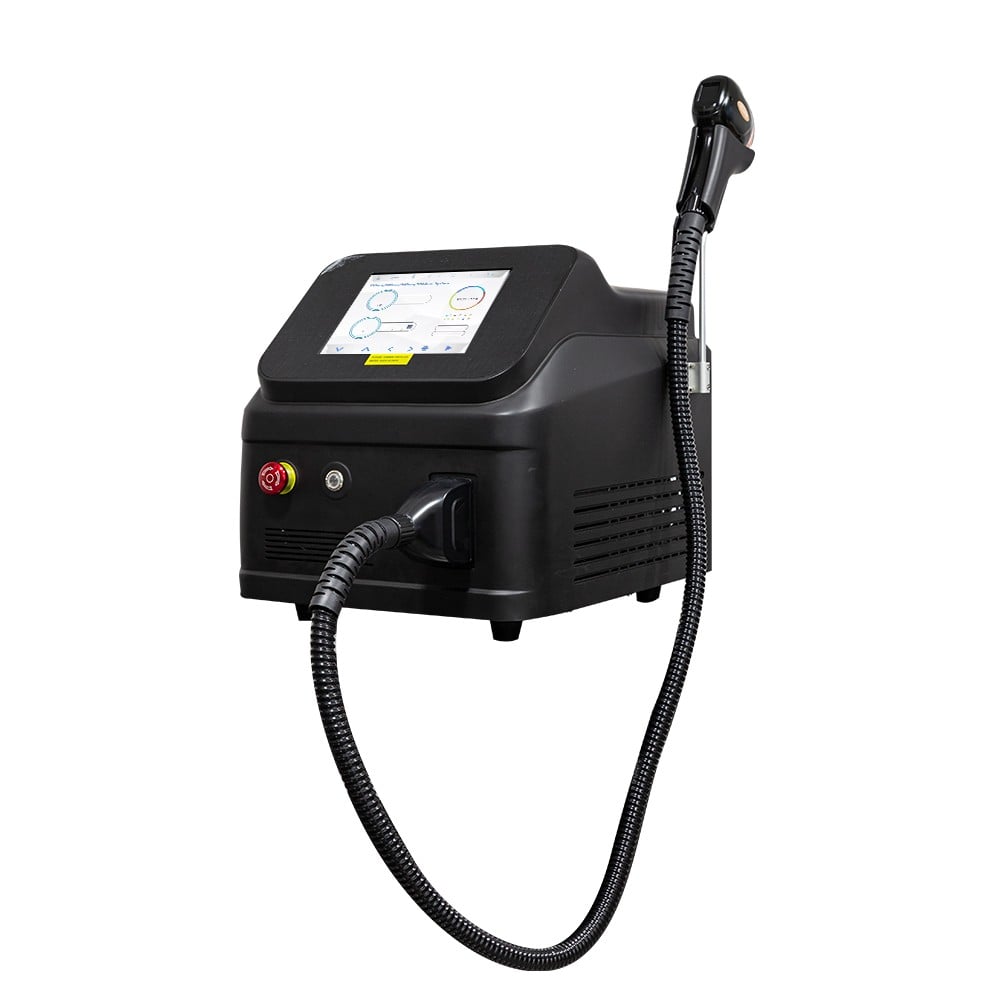
Fluence is important because it influences the balance between effective energy delivery and unwanted skin response. A 808nm diode laser may offer a particular wavelength platform, but wavelength alone does not determine the treatment result. Operators also need to understand pulse duration, spot size, cooling, skin assessment, and the instructions for the professional hair removal device in use.
Fluence is commonly expressed as energy per area, often in joules per square centimeter. It describes the amount of optical energy delivered across the treatment spot, not the total energy emitted over an entire session. For a diode laser hair removal machine, this distinction helps operators interpret settings consistently and avoid confusing fluence with power, which describes energy delivered over time.
The hair target absorbs light according to its characteristics, while surrounding tissue also interacts with the delivered energy. A 808nm diode laser uses light at a wavelength selected for hair-removal applications, but the fluence still has to be considered alongside pulse duration and the client’s skin response. No single fluence value should be assumed suitable for every person or body area.
A hair removal laser produces an outcome through several interacting variables. Spot size affects the area covered and energy distribution, while pulse duration affects how energy is delivered over time. Cooling can support comfort and help protect the skin surface, but it does not replace appropriate settings or a careful assessment before treatment.
A professional hair removal device may provide adjustable parameters and cooling features, yet its interface cannot make the clinical decision for the operator. On a diode laser hair removal machine, fluence should be interpreted within the device instructions, training, and treatment protocol. That approach reduces the risk of copying settings from another system without understanding its output or operating conditions.
Fluence is one part of the energy balance: settings that are too low may not create the intended target response, while excessive energy can raise the chance of discomfort or an adverse skin reaction. A hair removal laser plan therefore starts with assessment rather than a preset number. The operator considers skin characteristics, hair features, treatment history, and the area being addressed.
For a professional hair removal device, the operating protocol should explain how to choose and adjust parameters safely. A 808nm diode laser does not remove the need to evaluate individual response, and a diode laser hair removal machine should be used within its approved instructions. When uncertainty exists, pause and seek qualified guidance instead of increasing fluence simply to pursue a stronger sensation or visible reaction.
Different body areas can vary in sensitivity, hair density, and surface conditions, so a setting used in one location may not transfer directly to another. With a hair removal laser, treatment planning should also account for recent sun exposure, relevant skin changes, and any contraindications identified during consultation. Documentation helps operators understand how the person responded at earlier visits.
A 808nm diode laser session should follow a consistent sequence: assess, select settings from the applicable protocol, prepare the skin, deliver treatment with suitable technique, and monitor response. For a professional hair removal device, recording the fluence and related parameters supports continuity between visits. A diode laser hair removal machine is a tool within that workflow, not a substitute for assessment or professional judgment.
Reliable operation begins with the device manual and formal training. Before using a diode laser hair removal machine, confirm how its display defines fluence, which settings can be changed, and what checks are required. A hair removal laser protocol should also specify eye protection, skin preparation, test procedures where appropriate, and the steps for responding to unexpected discomfort.
Operator feedback is useful when it is interpreted cautiously. Record the selected settings, technique, cooling approach, and observed skin response rather than relying on memory. A professional hair removal device may present several controls together, so clear records help distinguish the effect of fluence from other changes. Follow the manufacturer’s guidance and applicable professional standards when reviewing any adjustment.
Consistency does not mean using identical settings for every appointment. It means making decisions through the same documented assessment and safety process. For each hair removal laser visit, note relevant changes in skin condition, treatment area, and prior response. This context allows a qualified operator to review whether the existing protocol remains appropriate instead of changing fluence without a reason.
When selecting a 808nm diode laser system, teams should understand the available fluence range, adjustment increments, pulse controls, cooling method, and required maintenance. A diode laser hair removal machine should fit the clinic’s training and operating needs, and a professional hair removal device should be evaluated using its documentation rather than assumptions based on a single specification. Staff alignment supports safer, more consistent use.
No. Higher fluence is not automatically better and may increase discomfort or skin risk. A diode laser hair removal machine should be set according to the person, treatment area, device instructions, and professional protocol. A hair removal laser session should prioritize a considered response over simply maximizing the displayed value.
No. A 808nm diode laser identifies a wavelength platform, but it does not provide a universal fluence setting. Operators must consider other parameters and individual skin and hair characteristics. The professional hair removal device manual and qualified training remain essential to treatment decisions.
Record the fluence, pulse settings, treatment area, relevant assessment findings, technique, cooling approach, and observed response. For a diode laser hair removal machine, complete records make later review more useful. They also help a hair removal laser team follow its protocol and use a professional hair removal device consistently without assuming that one client’s settings fit another.

