

 EN

understanding-frequency-behaviour-settings-in-tecar-therapy-devices, understanding-frequency-behaviour-settings-in-tecar-therapy-devices, /blog
EN
Understanding frequency behaviour settings in TECAR therapy devices means looking beyond a displayed number. Frequency affects how energy is delivered and how an operator selects an approach for the intended treatment area. In tecar therapy, settings are useful only when considered alongside applicator type, contact, intensity, session goals, and the patient’s response.
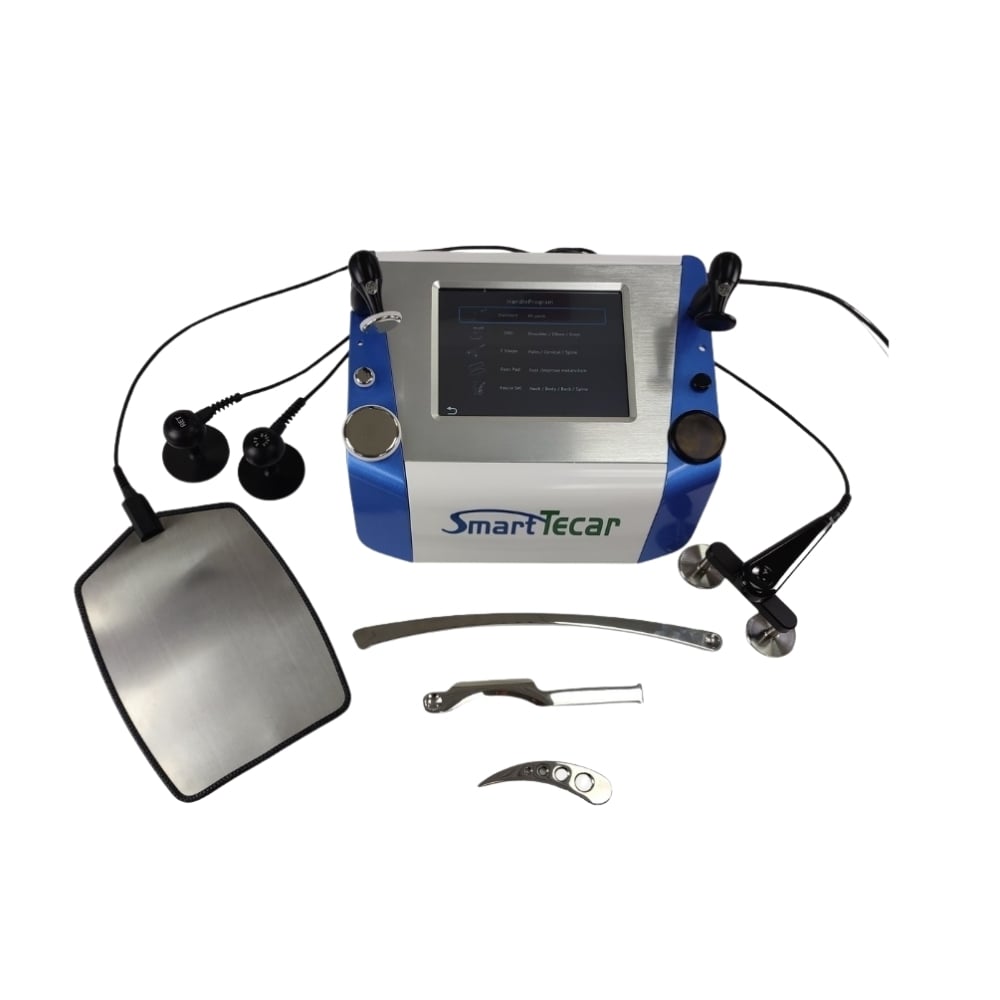
A frequency setting is not a stand-alone measure of treatment depth, comfort, or effectiveness. For a radiofrequency therapy device, frequency behaviour describes how the system manages electrical energy during operation; capacitive resistive electric transfer describes the treatment method commonly used to direct that energy through different applicators and tissue interfaces. This distinction helps clinicians interpret controls without treating a preset as a clinical decision.
In tecar therapy, an alternating electrical current interacts with the treatment circuit formed by the device, electrode, conductive medium, and patient. Frequency describes a characteristic of that current, but the resulting sensation also depends on power, electrode contact, movement, and tissue characteristics. A radiofrequency therapy device therefore needs to be understood as a coordinated system, not as a frequency display alone.
Capacitive resistive electric transfer is often described through its capacitive and resistive operating modes. The applicator design and treatment interface influence how energy is coupled into the circuit, while frequency behaviour forms part of the device’s operating conditions. In practice, deep heat therapy should not be assumed simply because a particular setting is selected; sensation and response need ongoing clinical assessment.
A common interpretation error is to assume that a higher or lower frequency automatically targets a specific depth. Frequency alone does not provide enough information to predict a precise tissue response. In tecar therapy, clinicians should read the setting in combination with the manufacturer’s guidance, selected mode, electrode dimensions, movement technique, and the purpose of the session.
When evaluating a radiofrequency therapy device, distinguish the stated frequency from the device’s power adjustment and treatment mode. These controls may affect delivery in different ways, and their relationship is model-specific. Capacitive resistive electric transfer remains a useful description of the method, but it does not replace the operating instructions or establish a universal dose for deep heat therapy.
Start with the clinical objective rather than a preferred number. For tecar therapy, define the area, intended sensation, and practical treatment goal, then choose the mode and applicator according to training and device instructions. Capacitive resistive electric transfer provides a framework for considering applicator choice, while the selected frequency behaviour should be interpreted within the specific device’s available operating range.
A radiofrequency therapy device may offer presets or adjustable parameters, but presets are starting points rather than automatic prescriptions. Confirm the recommended contact medium, electrode handling, and movement pattern before increasing output. If deep heat therapy is an intended sensation, build toward it gradually and ask the patient to report comfort; do not use frequency as a substitute for feedback.
During treatment, use consistent contact and keep the applicator moving as directed. In tecar therapy, a change in warmth may reflect altered output, pressure, speed, coupling, or local sensitivity, not frequency alone. Pause or adjust if the sensation becomes uncomfortable, and follow established clinical procedures for skin checks, communication, and any unexpected response.
This responsive approach matters for capacitive resistive electric transfer because the treatment circuit changes with electrode contact and the working area. When using a radiofrequency therapy device, record the selected mode and relevant settings in a way that supports repeatable care without suggesting that one value suits every patient. Deep heat therapy should remain a considered aim, not an assumption attached to a control label.
Before routine use, review the device documentation for the stated operating frequency, adjustable range, mode descriptions, and any limits on combining settings. This is especially important when a tecar therapy interface uses terms that sound similar but refer to different functions. Ask what each control changes, whether a displayed value is fixed or adjustable, and how the manufacturer defines its capacitive resistive electric transfer modes.
Do not infer identical behaviour across devices from familiar terminology. A radiofrequency therapy device may implement frequency management differently from another system, even if both describe a similar treatment method. For deep heat therapy, check the recommended application technique and contraindications rather than relying on a general frequency explanation. Training and the device manual should guide operation.
A displayed frequency is a technical parameter, not proof of a particular clinical outcome. When reviewing tecar therapy protocols, consider the population, treatment objective, application method, and evidence supporting the overall intervention. Capacitive resistive electric transfer describes how the method is organized, but it does not by itself establish that a setting is suitable for a specific condition or patient.
For service planning, make sure staff can explain the controls in plain language and know when to stop or seek advice. The tecar system should be selected and operated according to its own instructions, not assumptions about another radiofrequency therapy device. This discipline keeps deep heat therapy goals connected to observed comfort and responsible technique.
A practical review can also improve consistency between operators. Agree on how the team describes frequency behaviour, capacitive resistive electric transfer modes, and the desired patient feedback. Keep documentation clear enough to distinguish the setting selected from the response observed. This makes future sessions easier to interpret while avoiding claims that a particular frequency guarantees deep heat therapy or a defined tissue effect.
No. Frequency is one operating characteristic, while applicator design, power, contact, movement, and tissue response also matter. Interpret tecar therapy settings using the specific device instructions and clinical assessment rather than treating frequency as a depth selector.
Not necessarily. The perceived warmth can vary with technique, coupling, treatment area, and individual sensitivity. With capacitive resistive electric transfer, maintain communication and adjust cautiously; do not assume that a frequency change alone explains the sensation.
Compare documented operating ranges, mode definitions, controls, and application guidance rather than relying on labels alone. For a radiofrequency therapy device used with deep heat therapy goals, confirm the instructions and prioritize patient feedback, training, and a clearly defined treatment objective.

