

 EN

understanding-frequency-ranges-in-pulsed-electromagnetic-therapy, understanding-frequency-ranges-in-pulsed-electromagnetic-therapy, /blog
EN
Understanding frequency ranges in pulsed electromagnetic field therapy starts with separating frequency from other device settings. A pemf therapy device may offer a broad range of pulse rates, but the number alone does not describe the full treatment signal or establish suitability for a particular use.
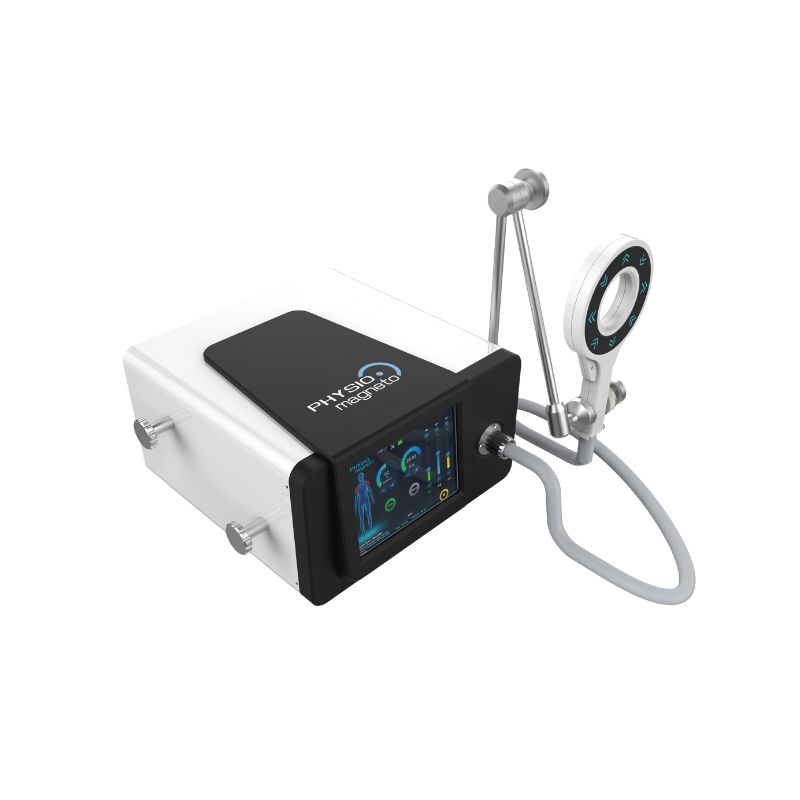
For buyers and practitioners, the practical task is to interpret frequency alongside waveform, intensity, pulse timing, applicator design, and intended protocol. Reviewing pulsed electromagnetic field therapy this way helps teams compare pemf therapy equipment by operating characteristics, rather than treating a higher or lower frequency as an automatic measure of value.
Frequency describes how often a repeating event occurs, commonly expressed in hertz, or cycles per second. In a pemf therapy device, the displayed setting may refer to pulse repetition frequency, but terminology and available controls vary. Confirm what the specification means before comparing one unit with another.
Pulsed electromagnetic field therapy uses time-varying magnetic fields, so a pulse train can include more detail than its repetition rate. Pulse duration, waveform shape, intervals, and output intensity all influence the signal. A recovery therapy device should therefore be assessed by its full parameter set, not a single frequency figure.
Frequency and field strength are different measures. Frequency concerns timing, while field strength describes the magnetic field level, often stated in tesla or millitesla. Pemf therapy equipment may list both, yet a frequency value cannot be used to infer field strength or the amount of energy delivered.
When reviewing a pemf therapy device, also check whether the stated output is adjustable, how it is measured, and which applicator the specification covers. In pulsed electromagnetic field therapy, coil geometry and distance from the treatment area can affect the field experienced at the target. Clear documentation supports a meaningful comparison.
A published range is the operating envelope, not a recommendation to use every setting. Some systems provide low-frequency options, while others allow broader or differently defined ranges. A pemf therapy device should be evaluated against its intended protocol, user training, and applicable guidance rather than a range that looks impressive on paper.
For example, a service evaluating pulsed electromagnetic field therapy may need repeatable settings for a defined workflow, while another setting may be relevant to a different use case. Pemf therapy equipment should make it possible to identify and reproduce the selected frequency. The operator needs a clear display and instructions for changing parameters safely.
Do not assume that a higher frequency is stronger, deeper, or more effective. Such conclusions require evidence tied to a specific device, waveform, field strength, and intended application. When a recovery therapy device presents several frequency modes, ask what each mode changes and whether other parameters change at the same time.
A useful review records frequency together with pulse width, intensity, duty cycle, and treatment duration where applicable. This makes pulsed electromagnetic field therapy protocols easier to discuss and reproduce. Pemf therapy equipment with clearly described modes can help staff avoid confusing a preset label with a complete technical specification.
Start by defining who will operate the system, the intended application, and the level of training available. Then confirm that a pemf therapy device offers settings and documentation aligned with that workflow. The product description should explain frequency limits, field output, applicators, and controls rather than presenting a range without context.
In a professional setting, pulsed electromagnetic field therapy may be part of a broader service pathway, so setup time, cleanability, staff familiarity, and record keeping also matter. Pemf therapy equipment should fit the room and procedure as well as the technical brief. A recovery therapy device is not interchangeable with every other system simply because both use electromagnetic pulses.
Operators should follow the device instructions and the protocol established for the intended use. Do not improvise frequency changes to pursue a particular result. A recovery therapy device should be used only by appropriately trained personnel, with suitability and contraindications reviewed under relevant professional guidance.
For procurement, request a specification sheet that defines frequency terminology, adjustable steps, waveform, output information, and mode behavior. This helps teams assess pemf therapy equipment on comparable terms. When assessing pulsed electromagnetic field therapy claims, distinguish verified product documentation from assumptions about what a particular setting will accomplish.
No. Frequency indicates timing, not field strength or clinical effect. A pemf therapy device may combine frequency with other adjustable parameters, so review the complete specification and follow the relevant protocol. In pulsed electromagnetic field therapy, the meaning of a setting depends on the system and its documented intended use.
Only when the specifications define frequency in the same way and provide enough context for comparison. Check waveform, pulse duration, output, and applicator details in addition to the range. Pemf therapy equipment and a recovery therapy device may use different mode definitions, making a direct comparison of headline figures misleading.
Verify that the stated range suits the intended workflow, that settings are clearly controlled, and that operating guidance is available. Review the full technical documentation rather than relying on one frequency number. Ask how pulsed electromagnetic field therapy modes are defined and whether the pemf therapy device supports the required protocol and staff training.

