

 EN

understanding-intensity-and-frequency-settings-on-pemf-devices, understanding-intensity-and-frequency-settings-on-pemf-devices, /blog
EN
Understanding intensity and frequency settings is essential when using a pemf therapy device. Intensity describes the strength of the magnetic field, while frequency describes how often its pulses are delivered. In pulsed electromagnetic field therapy, these settings work together, but they do not mean the same thing or automatically indicate how effective a session will be.
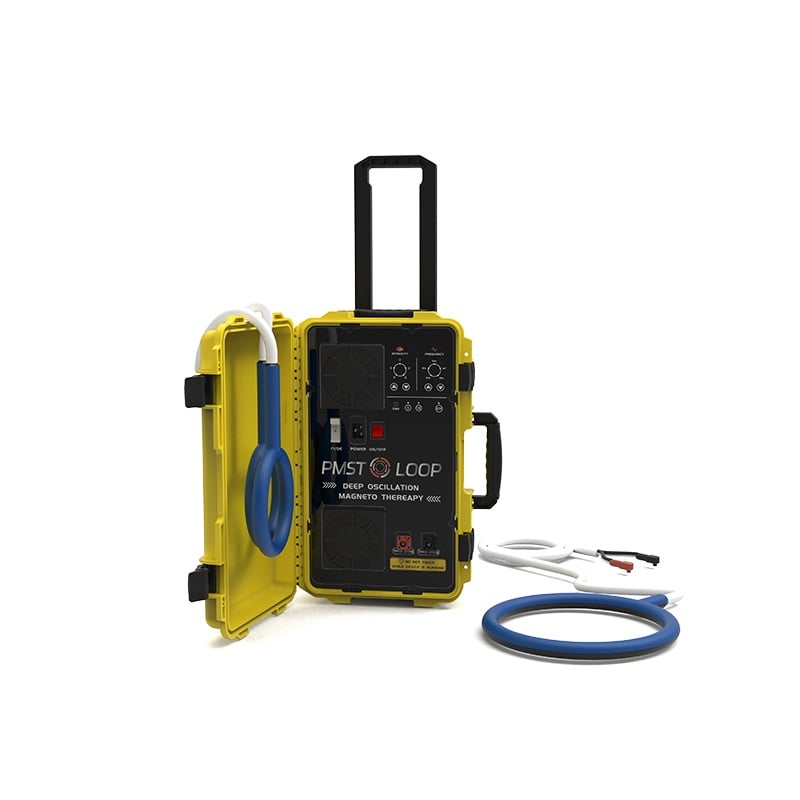
The useful approach is to understand what each control changes, then follow the operating guidance for the specific system and intended application. Whether reviewing pemf therapy equipment for a clinic or considering a recovery therapy device for a defined routine, users should avoid treating a higher number as inherently better. Setting choices need to reflect the device, protocol, and user response.
Intensity refers to the strength of the magnetic field produced at the treatment area, commonly expressed in gauss or another unit specified by the manufacturer. On a pemf therapy device, increasing intensity changes the field exposure, not the frequency or session duration. Pulsed electromagnetic field therapy systems can offer different output ranges, so values should be interpreted using the device manual rather than compared in isolation.
A displayed maximum is not a recommended starting point. With pemf therapy equipment, the appropriate setting depends on the application, the coil or applicator, its position, and the approved protocol. For a recovery therapy device, operators should also consider the user’s comfort and any relevant clinical guidance. A controlled setting that can be reproduced is more useful for evaluation than an arbitrary high setting.
Start with the instructions supplied for the exact system and use the specified intensity range for the intended session. A pemf therapy device may include preset programs, adjustable levels, or both; do not assume that similar labels on different models represent identical output. During pulsed electromagnetic field therapy, record the selected setting and any response so that later sessions can be reviewed consistently.
Frequency describes the number of magnetic pulses delivered in a unit of time, usually shown in hertz. It does not state how strong each pulse is. This distinction matters when setting up pemf therapy equipment: an operator could select a lower frequency with a particular intensity, or a different frequency without increasing field strength. A recovery therapy device may present these options through a program name rather than a technical readout.
The terms on the control panel should be checked against the manual, particularly if a system offers modes, pulse patterns, or multiple applicators. In pulsed electromagnetic field therapy, frequency settings describe pulse timing, but that number alone does not establish suitability for every goal. A pemf therapy device should be operated within its stated parameters, rather than adjusted based on assumptions drawn from another system.
Presets can simplify repeatable operation, but users still need to know what a preset changes. The program may set frequency, intensity, duration, or a combination of these variables. For pemf therapy equipment, confirm the selected mode before a session and document it when tracking use. If a recovery therapy device has a technical mode that is not clearly explained, consult its documentation or a qualified professional before changing the value.
A sound setup begins with the intended application, the device instructions, and any applicable professional advice. Establish the approved program, applicator placement, intensity, frequency, and session length before making comparisons. When using a pemf therapy device, change only settings that the protocol permits. This makes it easier to understand what changed if the experience or operating conditions differ between sessions.
Avoid adjusting several variables at once simply to seek a stronger sensation. Sensation is not a dependable measure of field output, and the user may feel little or nothing even when the device is operating as designed. In pulsed electromagnetic field therapy, a gradual, documented adjustment within the authorized range supports a more interpretable process. For pemf therapy equipment in a workplace or clinic, consistent staff training also reduces setup errors.
A brief session record can include the program, intensity, frequency, duration, applicator position, and any relevant user feedback. For a recovery therapy device, this information helps staff repeat an approved routine and identify when instructions need review. It does not prove a particular outcome, but it creates a clear account of how the system was used. Keep records aligned with organizational privacy and documentation practices.
Before operation, inspect the system and accessories as directed, check that controls are understood, and confirm any user-specific precautions. If the device behaves unexpectedly, stop and follow the manufacturer’s troubleshooting guidance rather than improvising settings. Anyone assessing a pemf therapy device for a facility should also consider who will operate it, how protocols will be communicated, and how settings will be checked between users.
No. Higher intensity means a stronger field setting, not a guaranteed improvement. Use the permitted range and protocol for the application, and do not increase a pemf therapy device setting simply because a session feels subtle. In pulsed electromagnetic field therapy, the device instructions and appropriate professional guidance take priority over assumptions about stronger output.
Often, the controls represent separate parameters, but how they can be adjusted depends on the system. Check the manual for the exact model before changing a setting. When reviewing pemf therapy equipment or operating a recovery therapy device, verify whether a selected preset changes frequency alone or also changes intensity and duration.
Record the selected program, intensity, frequency, session duration, applicator placement, and any relevant feedback, following local documentation practices. Keeping the same approved setup makes sessions easier to reproduce and review. If a pemf therapy device offers unclear controls or produces an unexpected response, pause use and seek qualified guidance rather than experimenting with pulsed electromagnetic field therapy settings.

