

 EN

understanding-mechanotransduction-in-shockwave-therapy-work, understanding-mechanotransduction-in-shockwave-therapy-work, /blog
EN
Mechanotransduction explains how cells detect physical forces and convert them into biochemical activity. In shockwave therapy, acoustic pulses deliver a mechanical stimulus to tissue; the treatment response depends on how that stimulus is received, not simply on the device producing a pulse. Understanding this process helps clinicians interpret treatment goals, select parameters, and set realistic expectations.
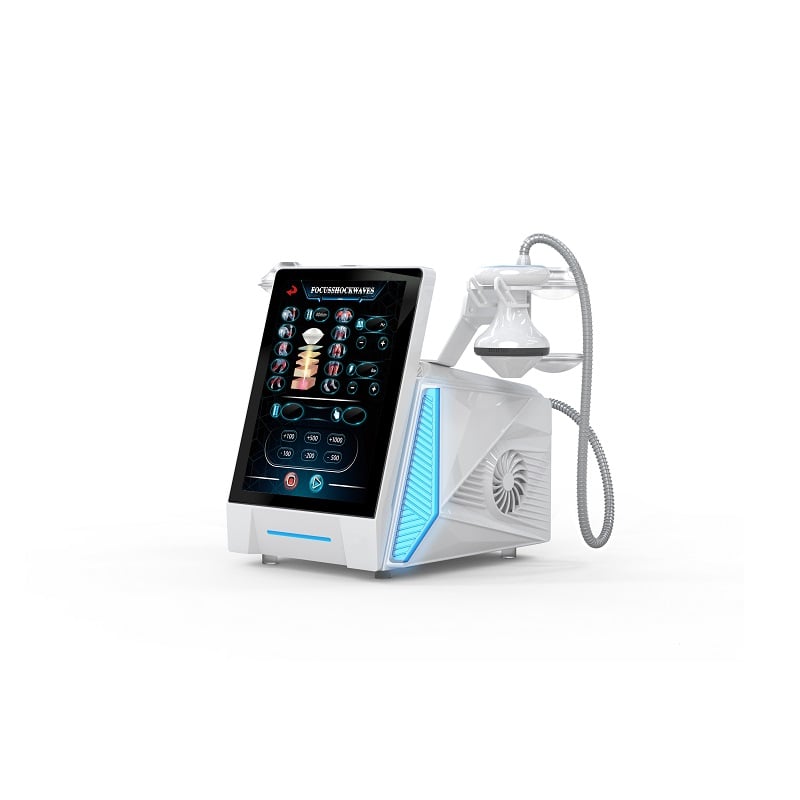
This article follows the pathway from delivered energy to cellular signaling and considers what that pathway means in practice. Extracorporeal shockwave describes the delivery method, while shockwave treatment describes a clinical intervention whose effects depend on tissue, dose, and diagnosis. In musculoskeletal therapy, mechanotransduction offers a useful framework for understanding the rationale without treating a proposed biological response as a guaranteed outcome.
A shockwave therapy device generates pressure waves that travel through a coupling medium and enter the target region. As an extracorporeal shockwave reaches tissue, local structures experience rapid changes in pressure and mechanical stress. The resulting deformation varies with energy delivery, focus, tissue composition, and the distance between the applicator and the target.
Cells do not respond to a device setting in isolation. In shockwave treatment, the delivered pulse interacts with extracellular matrix, fluid, and neighboring cells, creating forces that may be detected at the cell membrane. This is why shockwave therapy is best understood as a physical input that initiates a biological process, rather than as a direct instruction to produce one fixed result.
Mechanosensitive channels, membrane proteins, and attachments between cells and the surrounding matrix can contribute to sensing mechanical change. When these structures deform, ion movement and intracellular signaling may change. An extracorporeal shockwave can therefore influence cellular activity through several linked steps, although the exact pathway depends on the tissue and exposure.
In musculoskeletal therapy, proposed responses include changes in local signaling molecules and processes involved in tissue maintenance. These mechanisms help explain why shockwave treatment is studied for selected tendon, fascia, and other musculoskeletal concerns. They do not mean every patient experiences the same response, or that a cellular signal alone proves a meaningful clinical benefit.
The biological effect depends on the characteristics of the stimulus. Energy level, pulse frequency, number of pulses, focal depth, and treatment schedule all influence the mechanical environment. For shockwave therapy, changing one parameter can alter the stimulus reaching a target, so clinicians should connect settings to the intended tissue and clinical purpose.
An extracorporeal shockwave protocol should not be selected by assuming that more energy necessarily produces a better response. A suitable shockwave treatment balances the planned stimulus with patient tolerance, target anatomy, and the evidence relevant to the condition. In musculoskeletal therapy, documenting settings and response helps make follow-up decisions more consistent and interpretable.
The target is not a uniform material. Tendon, bone-adjacent tissue, fascia, and muscle differ in structure and mechanical properties, while chronicity and prior loading can also affect the clinical picture. As a result, the same shockwave therapy settings may not create identical local conditions across patients or anatomical sites.
The delivery pathway matters too. With extracorporeal shockwave, coupling, applicator placement, and accurate localization support transfer of energy to the intended area. Shockwave treatment should account for the diagnosis and relevant contraindications, rather than using a device setting as a substitute for assessment. These considerations are central to responsible musculoskeletal therapy.
Mechanotransduction provides a rationale for using a controlled mechanical stimulus, but it is one part of a broader care plan. Shockwave therapy may be considered when the condition, examination findings, and treatment goals make the approach appropriate. Clinicians should explain that a plausible biological mechanism does not guarantee symptom relief or tissue restoration.
Before shockwave treatment, clarify the target, intended outcome, and how progress will be assessed. An extracorporeal shockwave session can be combined with a wider rehabilitation plan when clinically suitable, including load management and progressive exercise. This helps place the stimulus within musculoskeletal therapy rather than presenting it as a stand-alone answer to every pain problem.
A useful review considers symptoms, function, tolerance, and changes in activity over time. If response is limited or adverse effects arise, reassess the diagnosis, dose, delivery, and broader plan instead of automatically repeating the same shockwave therapy protocol. Treatment decisions should follow the patient’s clinical course and relevant professional guidance.
Patients may feel temporary discomfort or local sensitivity, and expectations should be discussed before care begins. The purpose of an extracorporeal shockwave is to deliver a defined mechanical stimulus; it is not a promise of a particular cellular or clinical result. Clear communication makes shockwave treatment more transparent and supports shared decisions in musculoskeletal therapy.
It is the process by which cells sense mechanical forces and translate them into biochemical signals. In shockwave therapy, pressure pulses create tissue deformation that may initiate such signaling, with responses shaped by dose, tissue, and individual factors.
No. An extracorporeal shockwave delivers mechanical energy, and proposed cellular responses do not guarantee repair or symptom improvement. A clinician should relate shockwave treatment to the diagnosis, evidence, patient goals, and response over time.
Mechanotransduction helps explain why a mechanical stimulus may be considered for selected conditions. It supports informed discussion and careful treatment planning, but musculoskeletal therapy still requires assessment, appropriate dosing, progress monitoring, and realistic expectations.

