

 EN

understanding-pulse-duration-effects-in-ipl-skin-treatments, understanding-pulse-duration-effects-in-ipl-skin-treatments, /blog
EN
Pulse duration is the length of time light energy is delivered during an IPL exposure. In an ipl machine, that setting helps determine how quickly a target absorbs heat and how much time surrounding tissue has to cool. Understanding the relationship is essential when planning treatments for pigment, visible vessels, or other concerns.
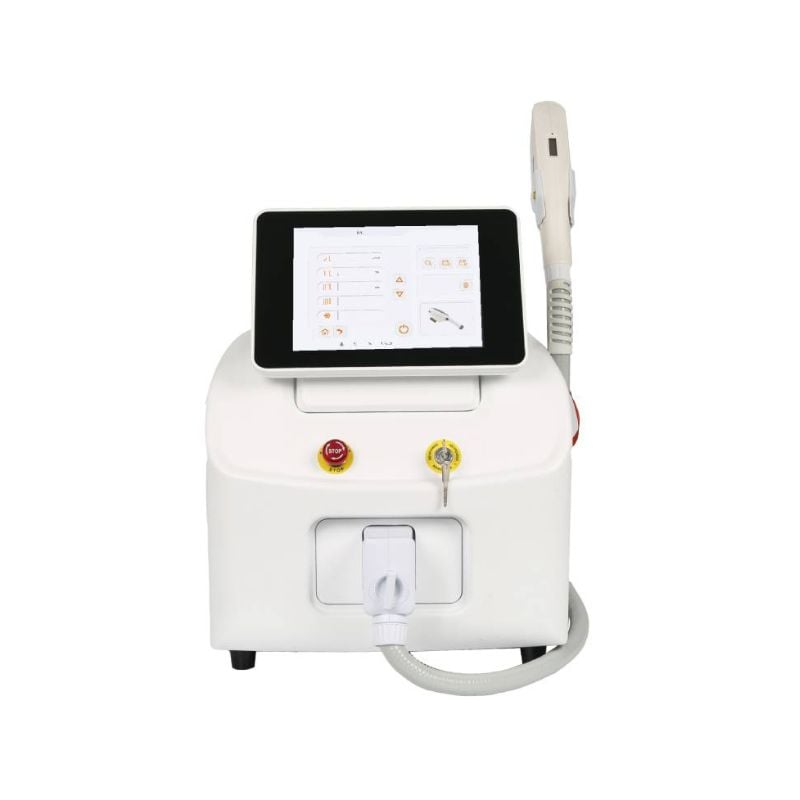
Pulse duration is not simply a measure of treatment intensity. It works alongside wavelength filters, fluence, pulse structure, cooling, and skin assessment. For operators evaluating an intense pulsed light device, the practical question is how these variables work together for a particular target, rather than whether a longer or shorter setting is universally better. This distinction matters for any skin rejuvenation device or photorejuvenation equipment used across different treatment goals.
IPL delivers broad-spectrum light that is absorbed by chromophores such as melanin and hemoglobin. Absorbed light becomes heat, and pulse duration influences how that heat accumulates and dissipates. An intense pulsed light device therefore needs a suitable exposure profile for its intended target, while a skin rejuvenation device must also account for the surrounding tissue.
A shorter pulse delivers energy over less time, which can create a rapid temperature rise. A longer pulse spreads delivery across a wider interval and may allow more heat to move beyond the target during exposure. When an operator uses photorejuvenation equipment, the goal is controlled heating, not simply maximizing duration or output. The ipl machine must be considered as a system, including its pulse options and cooling approach.
Thermal relaxation describes how quickly a heated target loses heat to nearby tissue. Smaller targets generally cool more quickly than larger ones, so exposure timing can affect how selectively heat is retained. An intense pulsed light device may offer single or multiple pulses, and the interval between pulses can provide additional cooling time. These details influence the treatment plan alongside the skin rejuvenation device settings.
A split pulse is not automatically gentler or more effective; its suitability depends on the target, energy distribution, and the interval used. Practitioners should review the device instructions and training before changing settings. Photorejuvenation equipment with adjustable pulse structure can support different protocols, but the ipl machine still requires a reasoned match between the planned exposure and the individual treatment area.
For pigment concerns, melanin absorbs light, but the amount and distribution of pigment vary across people and body areas. A shorter pulse may produce a quick thermal response, while a longer pulse changes how heat is delivered and dispersed. An intense pulsed light device should be selected and configured with skin tone, tanning history, lesion appearance, and treatment area in mind. A skin rejuvenation device cannot replace careful assessment.
Visible vessels present a different target because hemoglobin is the main absorbing chromophore of interest. Vessel size, depth, and location all affect how energy interacts with the target. Practitioners using photorejuvenation equipment should consider these factors before choosing pulse duration or pulse spacing. The ipl machine setting must remain within the device’s specified guidance, with conservative adjustments when clinical uncertainty is present.
The appropriate pulse duration also depends on the treatment objective and the response expected in the tissue. Comfort is relevant, but patient sensation alone does not establish that an exposure is suitable. An intense pulsed light device should be used with a consistent technique and appropriate contact or cooling method. A skin rejuvenation device works best within a documented protocol that defines assessment and follow-up.
Consistency matters when treating a larger area or comparing results across visits. Changes to pulse duration can alter thermal delivery even if other settings appear unchanged. Staff using photorejuvenation equipment should record relevant parameters and observe the skin response during treatment. The ipl machine should be operated according to its manual, training requirements, and established clinical oversight, rather than informal trial and error.
Before selecting settings, assess the treatment indication, skin characteristics, recent sun exposure, medications, and relevant history. These factors can affect risk and expected response. An intense pulsed light device is not appropriate for every concern or every patient, and a skin rejuvenation device should be used only by trained personnel within their scope of practice. The ipl machine manual and local clinical protocols should guide eligibility and parameter selection.
A patch test may be considered when indicated by the protocol, particularly when response is uncertain. Explain expected short-term effects and aftercare, and document the settings used. Photorejuvenation equipment should be maintained and inspected according to manufacturer guidance, because reliable operation depends on more than pulse duration alone. Clear records help a practitioner evaluate response without confusing changes in technique with treatment outcomes.
During and after exposure, monitor the treatment area for the response specified in training and the device guidance. Pause if the response is unexpected, and reassess rather than making rapid, unsupported adjustments. An intense pulsed light device requires ongoing attention to technique, while a skin rejuvenation device should be incorporated into a documented workflow. The ipl machine settings are only one part of safe delivery.
Review outcomes over time, including comfort, visible changes, and any adverse effects, while recognizing that individual responses vary. Use those observations to inform protocol review, not to promise a particular result. Photorejuvenation equipment operators should follow training, maintenance schedules, and referral procedures when a concern falls outside their expertise. This approach makes pulse duration a thoughtful planning variable rather than an isolated control.
No. A longer pulse is not inherently safer; suitability depends on the target, skin assessment, other settings, and cooling. An ipl machine, intense pulsed light device, skin rejuvenation device, or photorejuvenation equipment should be used within its instructions and a qualified protocol.
Pulse spacing affects the time between energy deliveries and can influence heat accumulation. The correct interval depends on the treatment plan and device design. An ipl machine, intense pulsed light device, skin rejuvenation device, and photorejuvenation equipment each require attention to their specific operating guidance.
No. Comfort is useful feedback, but it cannot replace clinical assessment, training, or device instructions. For an ipl machine, intense pulsed light device, skin rejuvenation device, or photorejuvenation equipment, parameter changes should be deliberate, documented, and consistent with the applicable protocol.

