

 EN

understanding-radial-vs-focused-shockwave-generation-in-devices, understanding-radial-vs-focused-shockwave-generation-in-devices, /blog
EN
Understanding radial versus focused generation starts with how a shockwave therapy machine creates and delivers acoustic energy. A radial shockwave device sends energy outward from an applicator, while a focused system concentrates energy at a selected depth. Both approaches are used in extracorporeal shockwave therapy, but their different wave patterns affect treatment planning and device evaluation.
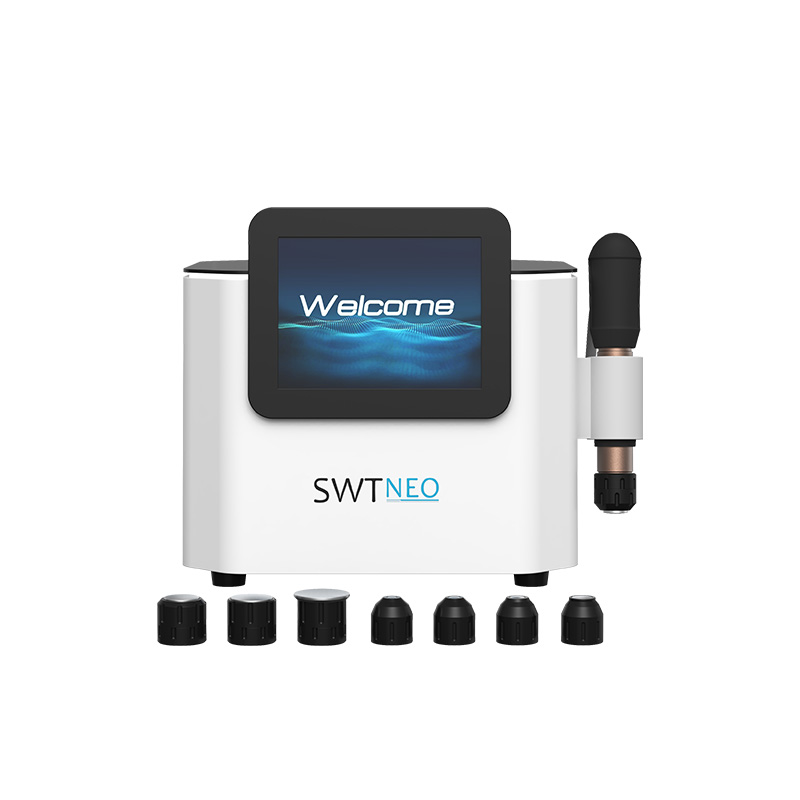
For clinicians comparing technologies, the distinction is not simply a matter of stronger or weaker output. It concerns where energy is concentrated, how the applicator interacts with tissue, and whether the delivery style fits the intended musculoskeletal therapy. Knowing these fundamentals helps teams interpret specifications, discuss protocols, and choose equipment suited to their clinical workflow.
In a radial system, a projectile inside the handpiece is accelerated, commonly by compressed air, and strikes a transmitter at the applicator tip. The resulting pressure wave travels into tissue and spreads outward, with energy generally greatest near the applicator and decreasing with depth. A radial shockwave device therefore delivers a broad, divergent field rather than a narrow focal point.
This operating principle makes the shockwave therapy machine dependent on its handpiece, projectile, transmitter, and applied pressure. Contact, coupling gel, angle, and movement across the treatment area all influence delivery. In extracorporeal shockwave therapy, the clinician typically guides the applicator over a defined region, adjusting parameters to the patient and treatment objective instead of assuming that a device setting alone determines the tissue response.
Focused generation uses an arrangement designed to make acoustic waves converge toward a focal zone below the skin. Depending on the device architecture, energy is produced and shaped through electromagnetic, electrohydraulic, or piezoelectric mechanisms. The key distinction is the resulting field: a focused shockwave system is intended to concentrate energy within a more localized volume at a planned depth.
That concentration changes how a clinician positions and selects the applicator. Treatment planning considers the target location, tissue depth, and the focal characteristics described in the device documentation. A shockwave therapy machine should therefore be assessed by its stated output and delivery geometry, not by a label alone. For musculoskeletal therapy, the selected modality must suit the condition, examination findings, and practitioner training.
The practical contrast is broad, surface-originating delivery versus energy concentrated in a focal zone. A radial shockwave device can be useful when the treatment approach involves moving across a wider, relatively superficial region. Focused delivery may be considered when a defined target at depth is part of the clinical plan. Neither description independently establishes clinical suitability or an expected result.
In extracorporeal shockwave therapy, clinicians should connect the intended target with the technology’s documented field and available applicators. Radial output commonly disperses as it travels, whereas focused energy converges before reaching its focal region. Those patterns influence positioning and the area treated per application. A shockwave therapy machine must be used according to training and instructions, with patient assessment guiding each session.
Device controls may include energy or pressure settings, pulse frequency, and the number of impulses. Their names and measurement methods can differ across designs, so values should not be treated as directly interchangeable. For a radial shockwave device, applicator size and contact technique also matter; focused systems require attention to focal depth and alignment with the intended treatment site.
These details make protocol transfer between devices inappropriate without careful review. A clinician should confirm how the manufacturer defines output, which accessories are included, and whether the user interface supports repeatable settings. In musculoskeletal therapy, consistent documentation of applicator, site, settings, and patient response strengthens clinical review. It also helps a team identify whether a change in technique, rather than the device category, explains a different treatment experience.
Start with the practice’s patient population, treatment sites, and clinical competencies. If care commonly involves moving an applicator across broad regions, a radial shockwave device may align with that workflow. If care plans call for targeting a localized structure at depth, assess focused systems and their focal specifications. The choice should follow clinical reasoning, not a general assumption that one generation method is superior.
When reviewing a shockwave therapy machine, examine the complete system: handpiece or applicator options, parameter range, ergonomics, cleaning requirements, maintenance needs, and operator instruction. Ask how the device describes energy delivery and what evidence or documentation supports its stated specifications. For extracorporeal shockwave therapy, practical reliability also includes service arrangements, consumable availability, and a clear process for safe setup and routine checks.
A useful evaluation begins by defining treatment objectives and the anatomical targets involved. Then compare the wave pattern, documented treatment depth, available applicators, and controls with those needs. A radial shockwave device may offer an intuitive approach for broader treatment zones, while focused technology may suit plans requiring a defined focal area. Confirm suitability with qualified clinical judgment and applicable guidance.
Before adoption, review operator training, patient screening, contraindications, maintenance instructions, and recordkeeping expectations. A shockwave therapy machine is a clinical tool, not a substitute for diagnosis or individualized care. In musculoskeletal therapy, selection should account for the clinician’s competence and the setting’s ability to follow protocols. Trial use, where appropriate, can help teams assess handling and workflow without overstating clinical outcomes.
No. A radial shockwave device produces a wave that spreads outward from its applicator, while focused generation converges energy toward a focal region. The distinction describes delivery geometry, not a simple quality ranking. Review device specifications and clinical needs before choosing a shockwave therapy machine.
They are not automatically interchangeable because their energy distributions, applicators, and parameter definitions may differ. Extracorporeal shockwave therapy protocols should be matched to the specific device and practitioner training. For musculoskeletal therapy, clinical assessment and manufacturer instructions should inform whether a modality is appropriate.
Begin with the intended treatment area and depth, then evaluate the radial shockwave device or focused system’s documented delivery field, controls, accessories, training, and maintenance needs. A shockwave therapy machine should fit the workflow and clinical rationale rather than being selected on a label or setting range alone.

