

 EN

understanding-spectral-range-in-intense-pulsed-light-devices, understanding-spectral-range-in-intense-pulsed-light-devices, /blog
EN
Understanding spectral range in an ipl machine means knowing which wavelengths its light can deliver and how filters shape that output. Range matters because different skin concerns and tissue targets respond to different portions of the spectrum. For buyers, it is a practical specification to assess alongside pulse settings, cooling, and intended applications.
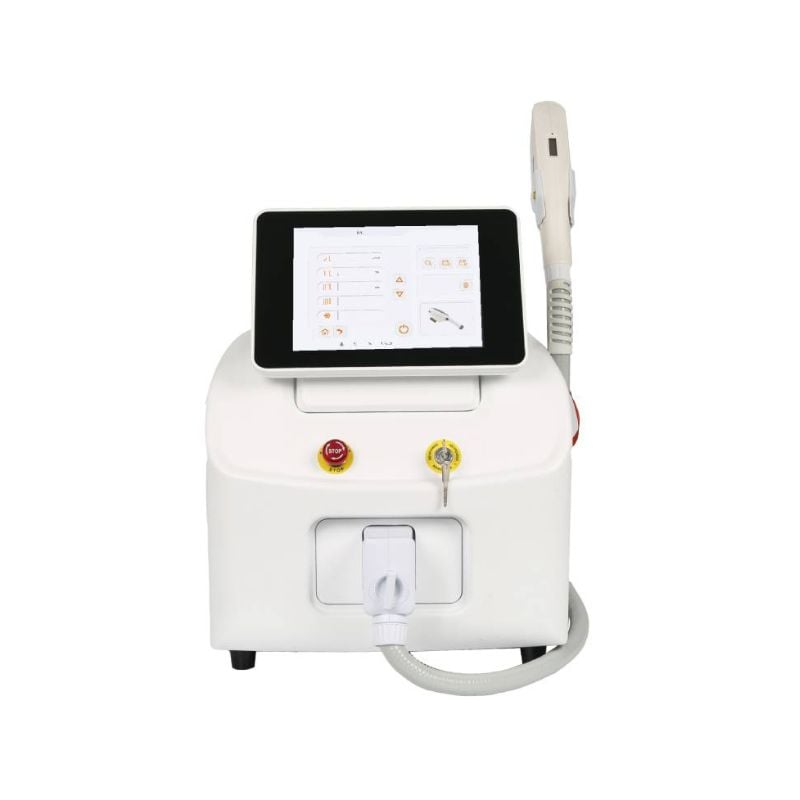
A stated range alone does not determine treatment quality or suitability. The useful question is how the device controls and delivers wavelengths within that range for a defined protocol and patient profile. This guide explains what spectral range means, how filters affect it, and what to verify when evaluating an intense pulsed light device for a clinic or business.
Spectral range describes the span of wavelengths emitted by a light source, usually expressed in nanometres. An intense pulsed light device produces broad-spectrum, non-coherent light rather than one single wavelength. In practice, pigments and blood-related targets absorb certain wavelengths more readily than others, while water and surrounding tissue also interact with light. This is why range connects the equipment specification to the intended treatment.
For an IPL machine, a shorter wavelength may be absorbed more strongly by superficial pigment, while longer wavelengths can travel farther into tissue. These are general tendencies, not a complete treatment rule: skin tone, target depth, pulse delivery, and energy settings affect the response. A skin rejuvenation device should therefore be assessed as a system, not judged by its wavelength span in isolation.
The lower limit indicates which shorter wavelengths may be available before filtering, while the upper limit describes the longer end of the output. A broad range can support varied applications only when the equipment can narrow or manage that output appropriately. Photorejuvenation equipment with a stated range should be accompanied by clear details about applicable filters, treatment indications, and operating guidance.
Ask whether the published range refers to the lamp output, the usable range after a filter, or a general specification. Those descriptions are not interchangeable. An IPL machine with interchangeable filters may offer different treatment windows, but the filter transmission profile and manufacturer guidance determine what reaches the treatment area. Confirming these details helps buyers interpret specifications without assuming that a larger range automatically means better performance.
A filter commonly blocks wavelengths below a selected cut-off, leaving a portion of the lamp output available for a particular protocol. This changes the usable spectrum without turning broad-spectrum IPL into laser light. When reviewing an intense pulsed light device, check the cut-off values supplied for each filter and the applications assigned to them. The specifications should be understandable and consistent with the intended clinical workflow.
A filter number alone is not enough to establish suitability. Operators need to understand the actual transmission range, compatible handpiece, and recommended settings. For a skin rejuvenation device, those details support a more informed match between the protocol and the target. Photorejuvenation equipment should also provide operating instructions that explain filter selection and relevant precautions rather than leaving staff to infer treatment parameters from wavelength labels.
Treatment planning begins with the target and the individual receiving care, not with the widest available range. Different concerns may involve superficial pigment, visible vascular features, or broader cosmetic goals, and each requires appropriate assessment. An IPL machine is only one part of that decision; the selected filter, pulse structure, energy, skin characteristics, and operator training all influence the practical protocol.
For business evaluation, request examples of the intended applications and the corresponding filter guidance. An intense pulsed light device should make it clear which configurations are designed for each use and what limitations apply. This makes it easier to judge whether photorejuvenation equipment fits the service mix. It also discourages treating wavelength range as a substitute for screening, informed consent, or qualified professional judgment.
Compare the stated spectral range with filter availability, pulse controls, spot size, cooling provisions, and documented operating instructions. These features work together in routine use. When considering an IPL machine, ask for technical documentation that distinguishes emitted output from filtered output and clarifies which handpieces accept each filter. Clear answers help procurement teams compare like with like and plan staff training.
A skin rejuvenation device should also be evaluated against the clinic’s patient population and planned services. Confirm that its guidance addresses skin-type assessment, contraindications, eye protection, and parameter selection. For photorejuvenation equipment, service access and maintenance documentation are relevant because consistent operation depends on more than the optical specification. Avoid inferring clinical outcomes from range figures that are not supported by a defined protocol.
Once selected, spectral information should be built into staff procedures. The operator can verify the treatment objective, select the approved filter, confirm the patient assessment, and follow the device instructions before delivering a pulse. An intense pulsed light device should be used only by appropriately trained personnel under relevant professional standards. This sequence helps turn technical specifications into repeatable checks rather than informal assumptions.
Documenting filter choice and settings can also support internal review and continuity between appointments. An IPL machine does not make a treatment appropriate simply because a wavelength option is available. The team must weigh target characteristics, skin response, and device limitations. Treating spectral range as one decision input helps a skin rejuvenation device fit a controlled workflow, while photorejuvenation equipment remains aligned with its stated intended use.
No. A wider range may offer flexibility, but usable filters, output control, guidance, and the intended application matter more than span alone. Evaluate whether the range supports the planned protocols and whether the intense pulsed light device clearly explains how to use each filter.
Filters block selected portions of the lamp output, creating a treatment window suited to the device’s approved applications. Check the cut-off values and instructions for each filter. For photorejuvenation equipment, the filter should be selected within a documented protocol, not by guesswork.
Confirm the intended services, patient assessment requirements, filter options, operating controls, safety guidance, and training needs. A skin rejuvenation device should have specifications that staff can interpret and apply consistently. The range is useful only when it fits both the treatment plan and the clinic’s workflow.

