

 EN

understanding-thermal-gradients-along-endolaser-laser-fibers, understanding-thermal-gradients-along-endolaser-laser-fibers, /blog
EN
Understanding thermal gradients along endolaser laser fibers is essential for optimizing procedural outcomes and ensuring patient safety in minimally invasive laser device applications. Thermal distribution along the fiber core directly influences treatment efficacy, tissue interaction depth, and risk of collateral damage. The endolaser treatment modality relies on precise heat management to deliver controlled energy to target tissues while minimizing unwanted thermal effects in surrounding structures. Medical professionals and biomedical engineers must understand how temperature varies along the laser lipolysis fiber length to maintain clinical excellence.
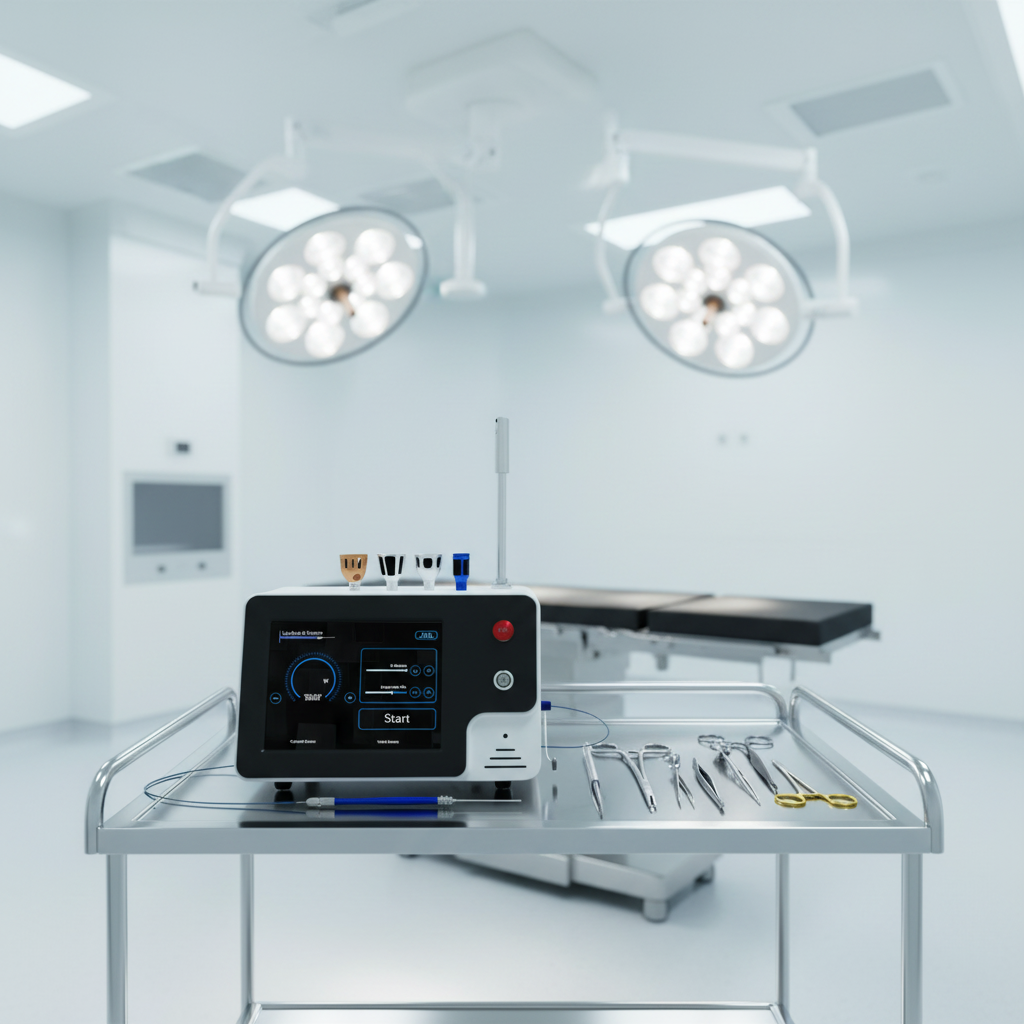
The physics of thermal gradient behavior within a minimally invasive laser device fiber directly determines clinical performance and safety margins. As laser energy propagates through the fiber, heat absorption and dissipation create temperature variations along the fiber axis. These thermal gradients influence the fiber tip temperature, surrounding tissue temperature, and the depth of thermal penetration. A comprehensive understanding of these mechanisms allows practitioners to select appropriate power settings, treatment duration, and fiber positioning for optimal laser lipolysis fiber outcomes.
Laser light travels through the endolaser fiber via total internal reflection, with a portion of energy absorbed by the fiber material and surrounding tissues. This absorption creates heat that builds up along the fiber length. The endolaser treatment effectiveness depends on maintaining specific temperature thresholds at the target site while preventing excessive heating at the fiber entrance or safe zones. Temperature gradients form because distal sections near the fiber tip reach higher temperatures than proximal sections, especially during continuous wave operation. The minimally invasive laser device design must account for this natural thermal asymmetry to ensure safe power delivery.
The laser lipolysis fiber composition determines how efficiently heat conducts along its length and into surrounding tissues. Silica-based fibers used in endolaser systems exhibit specific thermal conductivity profiles that influence gradient steepness. Fiber diameter, cladding properties, and core composition all contribute to thermal behavior. Smaller diameter fibers typically show sharper thermal gradients due to reduced heat dissipation capacity, while larger fibers distribute heat more evenly. The minimally invasive laser device manufacturer must select fiber specifications that balance thermal gradient characteristics with mechanical durability and flexibility requirements for clinical accessibility.
Managing thermal gradients in endolaser treatment protocols directly protects healthy tissue while ensuring adequate energy reaches target tissues. When thermal gradients are steep, the fiber tip becomes much hotter than the fiber shaft, concentrating treatment effects at the distal end. This focused heat delivery allows the laser lipolysis fiber to achieve coagulation or ablation at the target while maintaining cooler temperatures in surrounding healthy structures. Improper gradient management can cause burn injuries in non-target tissues or fiber perforation through vessel walls. Clinicians using a minimally invasive laser device must monitor real-time thermal feedback and adjust power parameters to maintain safe thermal gradient profiles throughout the procedure.
Thermal gradient optimization directly influences how quickly the endolaser achieves desired tissue effects and whether treatment duration remains clinically practical. Optimal thermal gradients concentrate heat intensity at the target tissue zone, allowing faster collagen remodeling, adipose liquefaction, or hemostasis compared to diffuse heat distribution. The endolaser treatment timeline depends on achieving precise thermal thresholds that trigger desired biological responses. When thermal gradients are suboptimal, procedural time extends, patient discomfort increases, and total energy delivery rises unnecessarily. Advanced minimally invasive laser device platforms now include real-time thermal monitoring to maintain ideal gradient conditions automatically, improving both safety and efficiency outcomes.
Contemporary endolaser laser fibers incorporate engineered tip geometries that deliberately modify thermal gradient behavior for specific clinical applications. Diffuser tips distribute light emission along the fiber length rather than concentrating it at a single point, creating broader thermal patterns. Bare fiber tips focus maximum energy distally for precise coagulation. The laser lipolysis fiber design choice depends on whether the minimally invasive laser device application requires concentrated or distributed thermal effects. Cooling mechanisms, including sapphire tip windows or circulating coolant systems, actively manage thermal gradients by removing excess heat from the fiber surface. These innovations allow endolaser treatment protocols to achieve superior thermal control compared to earlier generation systems, reducing complications and improving predictability.
Modern minimally invasive laser device platforms integrate infrared sensors and thermographic feedback to monitor thermal gradients in real-time during endolaser treatment delivery. These monitoring systems measure fiber tip temperature and surrounding tissue temperature continuously, allowing automatic power adjustments to maintain optimal thermal gradients. Feedback systems prevent excessive heating events that could damage healthy structures or compromise fiber integrity. The endolaser treatment protocol becomes more reproducible when practitioners receive continuous thermal data rather than relying on visual cues or predetermined power settings. This technological advancement particularly benefits challenging anatomical situations where thermal gradients require constant adjustment. Integration of thermal monitoring into the minimally invasive laser device workflow significantly reduces operator variability and adverse event frequency.
Thermal gradient profiles directly determine how deeply the endolaser treatment energy penetrates target tissues. Steep gradients with very hot fiber tips and cooler distal zones create shallow, concentrated thermal effects limited to superficial tissue layers. Gentler thermal gradients achieved through diffuser fiber tips or lower power settings distribute heat deeper into tissue planes, creating broader zones of thermal effect. The laser lipolysis fiber design and power settings must match the intended treatment depth. Understanding thermal gradients allows practitioners to customize the minimally invasive laser device power delivery to reach target structures at appropriate depths while protecting overlying or underlying tissues from excessive heat exposure.
Active cooling systems integrated into modern endolaser laser fibers remove excess heat from the fiber surface during operation, directly reducing thermal gradient steepness and lowering overall fiber temperatures. Cooled fiber systems allow higher total power delivery while maintaining safer tissue temperatures compared to unmanaged passive cooling. The minimally invasive laser device with integrated cooling can maintain longer procedural times without heat-related complications. Cooling effectiveness depends on the circulating medium temperature, flow rate, and contact surface area between the coolant and the fiber. This technology becomes particularly valuable during extended endolaser treatment sessions where passive thermal dissipation alone would create dangerous thermal gradients.
Thermal gradient knowledge prevents adverse events during endolaser treatment by ensuring practitioners recognize how fiber temperature varies along its length and how this variation affects surrounding tissue safety. Without understanding thermal gradients, operators might deliver excessive power near healthy structures while intending to treat deeper target tissues, causing burn injuries. The laser lipolysis fiber safety profile improves dramatically when clinicians understand that the hottest portions of the fiber occur near the distal tip and that thermal effects extend beyond the visible fiber. Proper thermal gradient management within any minimally invasive laser device application reduces perforation risk, protects neural and vascular structures, and ensures the endolaser treatment remains within safe thermal windows while achieving clinical objectives.

