

 EN

understanding-treatment-depth-selection-in-shockwave-therapy, understanding-treatment-depth-selection-in-shockwave-therapy, /blog
EN
Selecting treatment depth in shockwave therapy means matching the energy focus to the tissue and clinical target, rather than simply choosing the deepest available setting. The right decision starts with the patient’s presentation, the location of the target, and the device’s focal characteristics. A depth setting is a clinical choice, not a substitute for assessment.
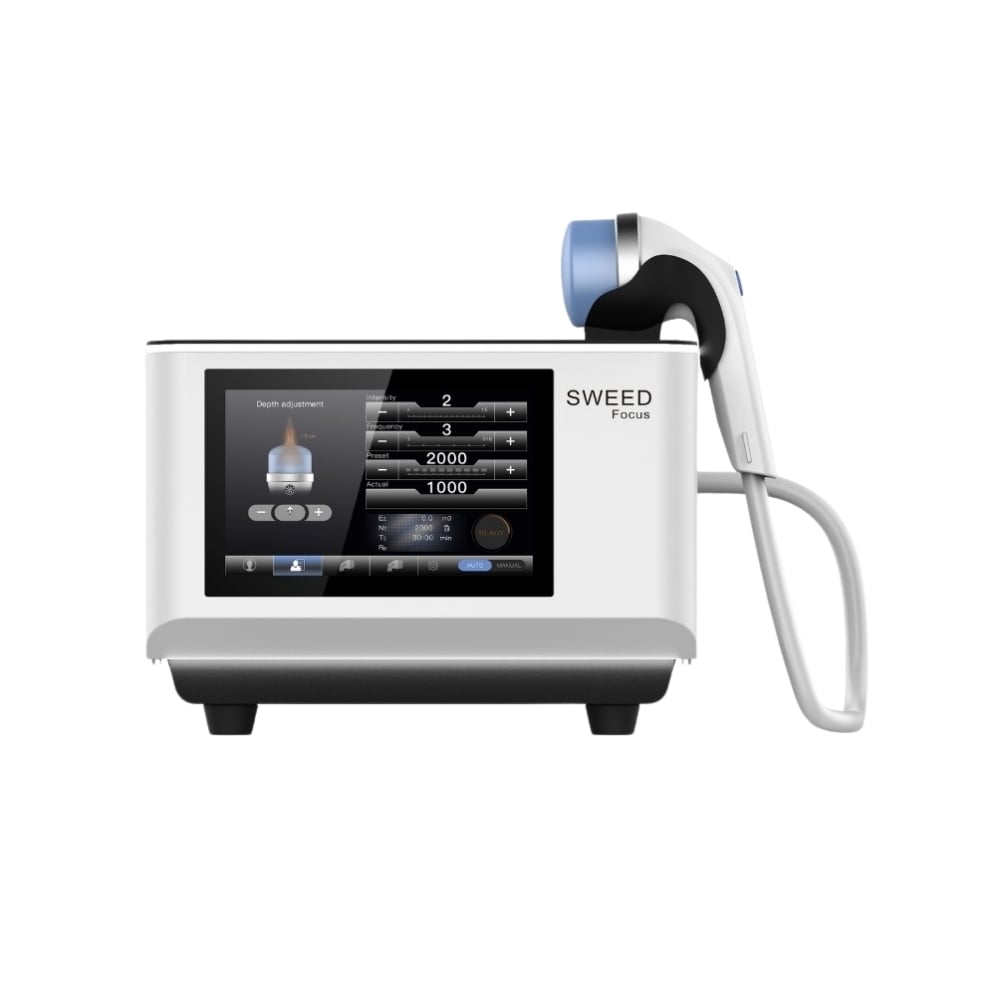
For clinicians using extracorporeal shockwave equipment, useful depth selection connects anatomy, treatment purpose, and patient tolerance. This guide explains how to reason through that choice, where shockwave treatment settings fit into an assessment-led workflow, and how to review the response. The same principles help make musculoskeletal therapy more consistent without treating a device setting as a diagnosis.
Begin by identifying the structure you intend to address and its approximate position beneath the skin. History, palpation, movement testing, and relevant imaging can help distinguish a superficial tendon insertion from a deeper muscle or other target. In shockwave therapy, this step matters because a focal zone positioned beyond the intended tissue may not match the treatment objective.
Anatomical landmarks provide a practical starting point, but they do not define an exact depth for every person. Body composition, swelling, tissue orientation, and the treatment site can alter the distance from the applicator to the target. Extracorporeal shockwave devices may offer different focal characteristics, so clinicians should consult device guidance and consider how the stated depth relates to the patient’s anatomy.
A clearly localized, superficial target generally calls for a focus suited to that region rather than an unnecessarily deep setting. A suspected deeper structure may require a different focal depth, but the decision should rest on assessment and the device’s intended operating range. Shockwave treatment should not be directed deeper simply because symptoms feel intense or longstanding.
Pain location alone can be misleading: referred symptoms may be felt away from their source, while several structures may be close together. In musculoskeletal therapy, connect the symptom pattern with examination findings before choosing the target. If the clinical picture remains uncertain, reassess the diagnosis or seek appropriate clinical input instead of using depth adjustments to compensate for uncertainty.
First confirm that the device and applicator are appropriate for the intended treatment area. Review the manufacturer’s instructions for focal depth, energy delivery, contraindications, and application technique. For shockwave therapy, nominal depth descriptions are useful references, not guarantees that energy will reach an identical point in every patient or under every treatment condition.
Next, position the patient so the target is accessible and the clinician can maintain stable contact and a consistent angle. Identify the treatment area using examination findings, then select a setting aligned with the estimated tissue location. Extracorporeal shockwave delivery is influenced by the device design and interface, so avoid assuming that settings transfer directly between systems.
Explain the intended target and expected sensations before starting. Set treatment parameters within the device instructions and the clinician’s scope of practice, then monitor comfort and response throughout the session. Shockwave treatment should be adjusted thoughtfully; changing depth, energy, and application location all at once makes it harder to understand which change influenced the patient’s experience.
When initial findings support a deeper target, select an appropriate focal setting and verify that the application remains directed toward that region. When findings support a more superficial structure, keep the chosen focus consistent with that anatomy. This structured reasoning makes musculoskeletal therapy easier to document and repeat, while leaving room to adapt when examination findings change.
Document the clinical target, the rationale for depth, the device and applicator used, relevant settings, and the patient’s immediate response. These notes support continuity across visits and help distinguish a planned adjustment from an arbitrary change. In shockwave therapy, a clear record also allows the clinician to compare later progress with the original treatment objective.
A patient’s response can inform follow-up decisions, but it does not independently prove that a chosen depth was correct. Track functional measures and symptoms over time, and consider whether the original diagnosis and target remain appropriate. Extracorporeal shockwave treatment is one part of care; response should be interpreted alongside the wider clinical picture.
If the patient experiences unexpected or excessive discomfort, pause and reassess contact, positioning, and the treatment plan according to professional guidance. Do not respond by automatically increasing depth or intensity. Shockwave treatment should remain within safe operating instructions, with appropriate attention to contraindications and the patient’s individual circumstances.
Two people with similar diagnoses may have different anatomy, tissue sensitivity, goals, and treatment histories. A useful depth choice therefore combines a defined target with device-specific information and ongoing assessment. In musculoskeletal therapy, individualization means documenting why a setting fits, then reviewing whether the plan remains justified at subsequent visits.
For teams standardizing care, shared protocols can describe assessment steps and documentation expectations without prescribing one depth for every case. Clinicians can use the same decision framework while adapting to the target and patient. When evaluating shockwave therapy equipment, consider whether its available focal options, instructions, and controls support the clinical settings encountered in practice.
No. Symptom duration does not establish the tissue depth or identify the source. Base shockwave treatment depth on assessment, the suspected target, device guidance, and patient factors. Revisit the diagnosis when symptoms and examination findings do not align.
Usually, a fixed setting cannot account for differences in anatomy, target location, or device design. Extracorporeal shockwave choices should be individualized within the equipment’s instructions and the clinician’s scope. Record the reasoning so another practitioner can understand the decision.
Pause before selecting a depth and gather more relevant clinical information. Reassess the history and examination, and use appropriate imaging or referral when indicated. Musculoskeletal therapy is safer and more coherent when treatment settings follow a sufficiently clear clinical objective.

