

 EN

understanding-wavelength-selection-in-diode-laser-hair-removal, understanding-wavelength-selection-in-diode-laser-hair-removal, /blog
EN
Wavelength selection shapes how a diode laser hair removal machine delivers energy to hair follicles and how a clinic plans treatment across different clients. The right choice is not simply the longest wavelength or the most familiar setting. It depends on hair and skin characteristics, treatment area, device capabilities, and the operator’s ability to adjust parameters safely.
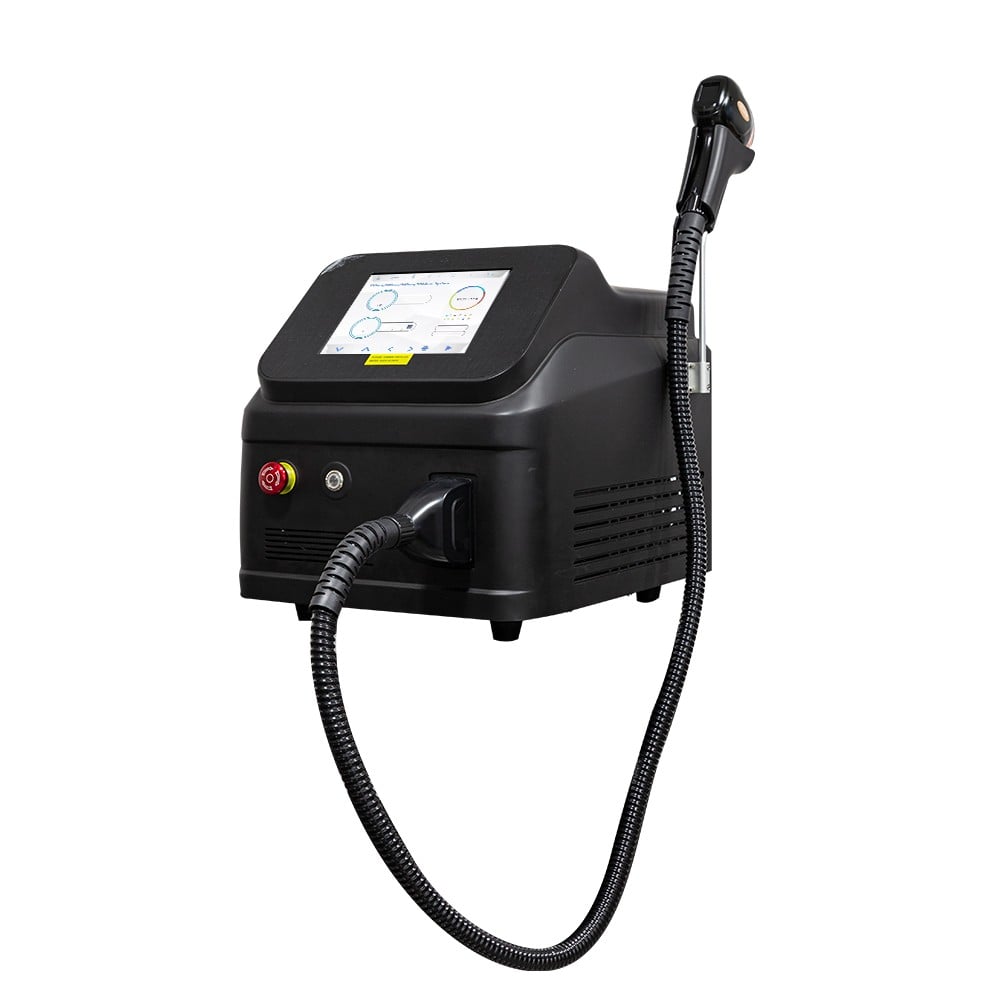
Understanding the relationship between wavelength and tissue response helps buyers assess a hair removal laser beyond headline specifications. An 808nm diode laser is a common reference point, while multi-wavelength platforms may offer additional options. For a clinic evaluating a professional hair removal device, the useful question is how those options support appropriate treatment planning, not how many wavelengths appear on a brochure.
A hair removal laser uses light energy absorbed by melanin in the hair shaft and follicle. Wavelength influences how light interacts with pigment and travels through tissue, so it affects the balance between reaching the target and limiting unwanted heating nearby. An 808nm diode laser is widely used because its characteristics can suit many common treatment situations, but wavelength alone does not determine an outcome.
When comparing a diode laser hair removal machine, consider wavelength alongside pulse duration, spot size, fluence controls, and cooling. A professional hair removal device should allow trained operators to choose settings based on the individual and treatment area. A longer or shorter wavelength is not automatically better; the intended use and the rest of the system matter.
An 808nm diode laser can be a practical central option for clinics seeking a familiar operating range. Yet the hair removal laser must still be adjusted to account for hair density, pigment, and the client’s response. With a diode laser hair removal machine, operators should follow the manufacturer’s instructions and establish a suitable protocol rather than treating wavelength as a substitute for assessment.
A professional hair removal device may combine wavelengths to broaden the range of treatment considerations, but added options also call for clear training. If an 808nm diode laser is one channel in a multi-wavelength system, staff need to understand when it fits and how settings are selected. The goal is consistent, informed use of the hair removal laser, not choosing a wavelength by habit.
Body areas differ in hair thickness, growth patterns, skin exposure, and sensitivity. A diode laser hair removal machine should therefore be assessed for how precisely it supports adjustments across treatment zones. An 808nm diode laser may be suitable for a broad range of planned sessions, while the operator still considers local characteristics and the device’s approved guidance.
For procurement teams, a professional hair removal device is easier to evaluate when its wavelength choices are connected to a documented workflow. Ask how operators determine a starting protocol, monitor comfort and skin response, and record adjustments. These process details show whether the hair removal laser can be used thoughtfully in the clinic’s actual service mix.
A single-wavelength hair removal laser can make training and parameter review more straightforward when the clinic’s case mix is focused. An 808nm diode laser gives staff a defined platform to learn, while suitability still depends on the individual assessment. A diode laser hair removal machine with one wavelength can be a reasonable fit when its operating range and workflow align with the clinic’s planned treatments.
A multi-wavelength professional hair removal device may offer flexibility for clinics serving varied client profiles, but flexibility has value only when staff can use it correctly. Review which wavelengths are available, how the system switches or combines them, and what guidance supports each choice. The hair removal laser should fit the clinic’s training capacity, treatment protocols, and maintenance routines.
If an 808nm diode laser is combined with other wavelengths, confirm what each option is intended to address and whether the operating instructions explain selection clearly. A diode laser hair removal machine should present controls in a way that supports deliberate choices. The more varied the platform, the more important it is to ensure consistent staff competency and recordkeeping.
A professional hair removal device is not necessarily a better fit simply because it offers more wavelength choices. Clinics should compare the options against their expected treatment areas, staff experience, and available consultation time. Ask how the hair removal laser supports safe settings and reliable documentation, then decide whether additional flexibility answers a real operational need.
Read wavelength specifications together with the system’s energy controls, pulse settings, cooling approach, and applicator design. These features affect how a diode laser hair removal machine is operated in practice. An 808nm diode laser label alone cannot explain how the complete platform will fit a treatment protocol or what level of training staff will need.
During evaluation, request clear operating instructions and training details for the professional hair removal device. The team should understand how to select wavelength and other parameters, assess the treatment area, and respond to unexpected discomfort or skin changes. This helps connect the hair removal laser’s technical specifications with sound day-to-day decisions.
Begin with a consultation that records relevant skin and hair characteristics, treatment goals, and any factors requiring extra consideration. The diode laser hair removal machine should be used only within its instructions and by appropriately trained personnel. If an 808nm diode laser is selected, document why it fits the planned approach and which settings are chosen under the applicable protocol.
Before a session, verify the treatment area, device condition, and selected parameters. A professional hair removal device should support a repeatable process without encouraging operators to skip individual assessment. During treatment, monitor client feedback and skin response; after the session, record relevant observations so later decisions are based on the person’s history rather than memory alone.
Wavelength selection is one part of a broader safety and service workflow. A hair removal laser requires suitable operator training, appropriate protective measures, and adherence to local requirements. Clinics should review instructions regularly and make sure staff know when to pause, reassess, or seek qualified guidance instead of simply changing wavelength or energy.
For a clinic comparing systems, the diode laser hair removal machine should be judged by how its wavelength choices fit this workflow. An 808nm diode laser may be a core option, while the value of other channels depends on documented use cases. A professional hair removal device should make appropriate selection understandable to the team.
After implementation, review treatment records, staff feedback, and training needs at planned intervals. The clinic can use these reviews to determine whether its wavelength choices are being applied consistently and whether protocols remain clear. For any hair removal laser, ongoing review should focus on process quality and client assessment, not on assuming a wavelength guarantees a particular result.
A well-matched diode laser hair removal machine supports the clinic’s real caseload, staff capability, and service procedures. Keep the rationale for wavelength selection accessible, refresh training when the platform or protocol changes, and follow applicable rules. This makes an 808nm diode laser or a broader multi-wavelength system part of a considered clinical workflow rather than a specification-led purchase.
An 808nm diode laser is a familiar option in hair reduction systems because its wavelength characteristics can support a range of treatment planning needs. It is not a universal setting; assessment, device instructions, and operator training still guide selection.
No. A professional hair removal device with multiple options may help a clinic address varied needs, but it also requires staff to understand those options. Choose a hair removal laser based on the clinic’s services, protocols, and training capacity.
Review controls, pulse and energy settings, cooling, instructions, training, and the workflow for documenting treatment decisions. A diode laser hair removal machine should fit the team’s operating practices, while wavelength selection remains tied to individual assessment and approved guidance.

