

 EN

what-causes-handpiece-overheating-in-highvolume-laser-clinics, what-causes-handpiece-overheating-in-highvolume-laser-clinics, /blog
EN
In a high-volume clinic, handpiece overheating usually develops when heat input exceeds the device’s ability to remove it. Repeated treatments, restricted cooling, demanding settings, and poor maintenance can all contribute. Understanding these causes helps teams protect treatment continuity and assess whether a diode laser hair removal machine is being operated within its intended conditions.
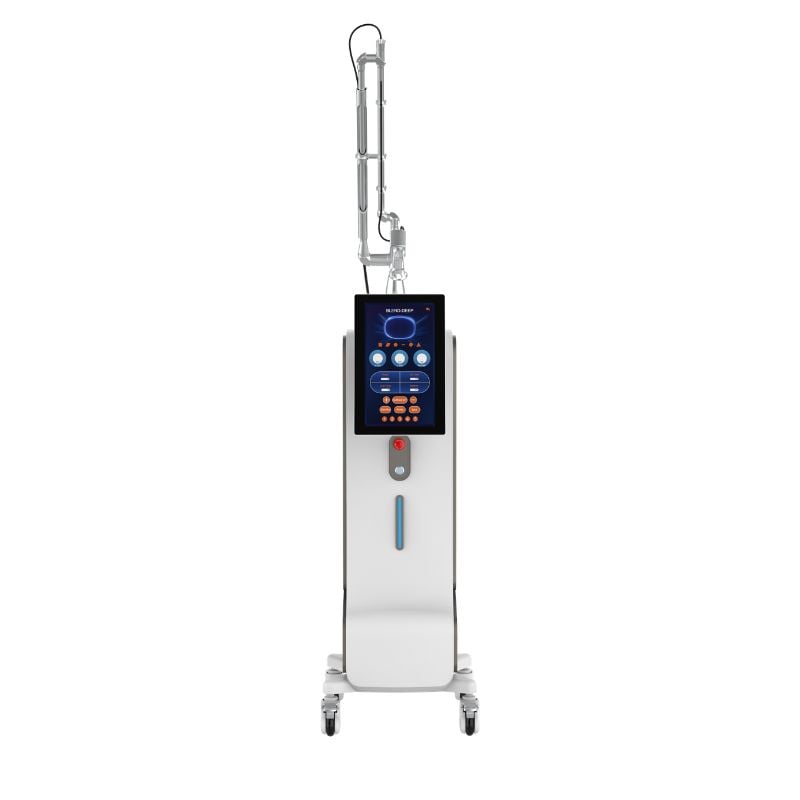
The key is to look beyond the handpiece temperature alone. A hair removal laser may feel warm during normal operation, but a rapid temperature rise, inconsistent output, or repeated pauses suggests a system or workflow issue. Clinics using an 808nm diode laser should consider cooling performance, treatment cadence, room conditions, and consumable care together rather than changing settings without diagnosis.
Every pulse generates heat in the treatment system, while the handpiece also absorbs warmth through repeated contact and operation. A diode laser hair removal machine used continuously across a full schedule has less recovery time between sessions than one used intermittently. With a hair removal laser, high repetition rates and long treatment blocks can compound that load, particularly when operators maintain the same pace despite rising ambient or component temperature.
Treatment parameters should match the client, target area, and device instructions, not simply the next appointment on the calendar. An 808nm diode laser can deliver energy efficiently, but the operator still needs to follow approved fluence, pulse duration, and repetition guidance. A professional hair removal device should not be pushed beyond its specified operating envelope to compensate for a rushed schedule or slow room turnover.
Cooling may be impaired by low coolant, a blocked filter, an air bubble, a kinked line, or a poorly seated connection, depending on the system design. If the diode laser hair removal machine relies on water circulation, restricted flow reduces heat transfer from the handpiece and internal components. Hair removal laser operators should check the manufacturer’s maintenance instructions and record recurring temperature warnings instead of repeatedly restarting the unit.
Room heat also matters. A warm treatment room, inadequate ventilation around the console, or equipment placed close to a heat source can make thermal control less effective. For an 808nm diode laser, inspect vents and keep the unit’s required clearance unobstructed. Clinics should treat the professional hair removal device and its surrounding workspace as one operating environment, since clean, unobstructed airflow supports the intended cooling process.
Dust on air intakes, worn seals, damaged hoses, and loose connectors can interfere with heat removal or trigger abnormal operation. A diode laser hair removal machine needs scheduled inspection in addition to cleaning between clients. Follow the service manual for coolant checks, filter care, and approved cleaning materials. If the hair removal laser shows recurring alarms or a hot spot, stop and document the symptoms rather than assuming the issue will clear on its own.
The handpiece cable and connector deserve attention because repeated bending, pulling, or twisting may damage components or disrupt a connection. An 808nm diode laser should be inspected only within the operator’s permitted checks; internal repairs belong to qualified service personnel. A professional hair removal device with a persistent fault should be taken out of clinical use until its condition is assessed, reducing the chance of further damage or an interrupted appointment.
Back-to-back appointments leave little time for cooling recovery, cleaning, and routine checks. Build short inspection intervals into the schedule, especially after long treatment areas or sessions that require sustained operation. A diode laser hair removal machine should be used at the cadence defined by its operating guidance. Assigning a trained operator to monitor warnings helps distinguish expected warmth from a developing fault.
Consistent technique also reduces avoidable strain. Keep the handpiece contact surface clean, use the recommended coupling method, and avoid unnecessary firing while positioning or repositioning. With a hair removal laser, the operator should not continue through a warning simply to finish a treatment area. For an 808nm diode laser, careful parameter selection and appropriate pauses support controlled use, while routine handover notes help the next operator spot patterns.
Before the first appointment, confirm that the unit is set up according to its manual, the cooling system is ready, and vents are clear. A diode laser hair removal machine can then be monitored against a known starting condition. During treatment, observe temperature alerts, changes in sound or output, and unusual handpiece warmth. A hair removal laser log that records the time, treatment load, and warning details can help reveal whether a pattern is emerging.
At handover, share unresolved concerns rather than relying on memory. Record any cooling checks, pauses, or service advice and keep the professional hair removal device’s maintenance history accessible to authorized staff. For an 808nm diode laser, the routine should follow the exact model’s instructions; generic advice cannot replace specified coolant, inspection, or service requirements. This makes escalation more useful when symptoms return.
If the handpiece becomes unusually hot or the system displays a temperature warning, pause treatment and follow the device’s shutdown or cooling procedure. Do not bypass an interlock, open the housing, or add unapproved fluid. A diode laser hair removal machine that repeatedly overheats needs professional assessment, especially if the warning returns after the permitted recovery period or is accompanied by inconsistent output.
Resume only when the cause has been addressed and the device is cleared under its operating instructions. If the problem cannot be resolved through approved checks, contact qualified service support and document the event. A professional hair removal device is part of a clinical workflow, so rescheduling may be safer than pressing on. Keep treatment records and explain the pause clearly to clients without making unsupported claims about the fault.
High treatment volume can add cumulative thermal load, but it is not always the only cause. Cooling restrictions, room conditions, maintenance issues, and settings may also contribute. If a diode laser hair removal machine overheats repeatedly, review the workflow alongside the device’s approved checks and service guidance.
Do not ignore unusual heat or a system warning. Pause and follow the manufacturer’s procedure before deciding whether treatment can resume. An 808nm diode laser must be operated within its specified conditions, and a hair removal laser with recurring alarms should be assessed before further clinical use.
Note the time, treatment duration, room conditions, warning message, and checks performed, then share the information with authorized service personnel. Include maintenance and handover notes for the professional hair removal device. This evidence can help identify recurring patterns without relying on guesswork.

