

 EN

what-causes-shockwave-therapy-machines-to-overheat-during-use, what-causes-shockwave-therapy-machines-to-overheat-during-use, /blog
EN
A shockwave therapy machine may become warm during a busy treatment day, but excessive heat, repeated shutdowns, or a hot casing can signal a fault or operating issue. In extracorporeal shockwave therapy, the generator and handpiece work together under repeated pulses, so cooling, workload, and setup all affect temperature. Knowing the cause helps a clinic respond before heat disrupts care or damages components.
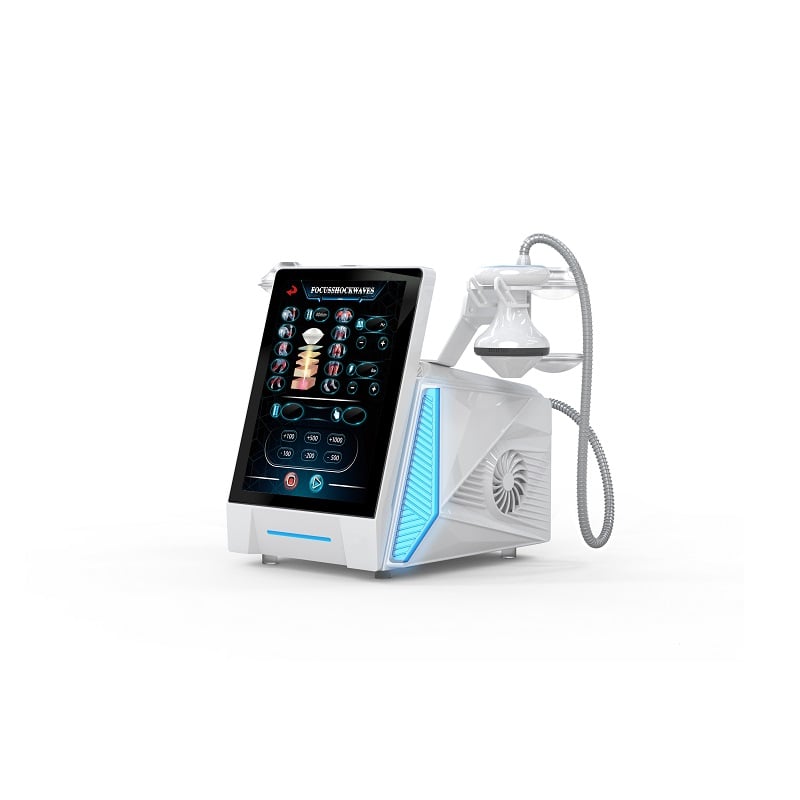
Overheating is not always evidence of a failed unit. A radial shockwave device can warm under sustained use, while room conditions, blocked ventilation, or an unsuitable treatment schedule can add thermal load. For teams delivering musculoskeletal therapy, the useful question is whether heat is expected, worsening, or accompanied by changes in output, sound, or safety alerts.
Frequent sessions at demanding settings require more work from the generator and applicator. If a shockwave therapy machine runs continuously without the rest periods specified by its instructions, internal heat may accumulate faster than the cooling system can remove it. Extracorporeal shockwave therapy workflows should account for session length, pulse rate, energy settings, and the equipment duty cycle rather than assuming the unit can run uninterrupted.
A radial shockwave device may also run hotter when staff repeat treatment immediately after a long session or use a higher pulse frequency than the clinical protocol requires. This does not mean every warm handpiece is unsafe; however, a rising temperature between treatments merits attention. In musculoskeletal therapy, plan room turnover with the equipment’s operating limits in mind and avoid extending a session to compensate for poor contact or positioning.
Cooling depends on airflow around the housing. Dust on intake grilles, equipment placed close to a wall, or a cabinet that encloses the unit can restrict heat release. When a shockwave therapy machine is installed in a warm treatment room, its cooling system has less capacity to shed heat. Extracorporeal shockwave therapy equipment needs the clearances and ambient conditions specified by its manufacturer.
Check whether other powered devices, direct sunlight, or poor room circulation raise the local temperature near the unit. A radial shockwave device should sit on a stable surface with vents unobstructed, not under linens or beside a heat source. These simple checks matter in musculoskeletal therapy rooms where compact layouts can unintentionally limit air movement, even when the equipment itself is functioning normally.
Aging components, accumulated dust, damaged cables, or loose connections can create abnormal resistance and heat. If a shockwave therapy machine feels hotter than usual or shows an error, document when it happens and which accessories are attached. Extracorporeal shockwave therapy equipment should be inspected and cleaned only as directed; opening the enclosure or using liquids near electrical parts can create additional hazards.
Look for visible cable damage, poor connector seating, unusual odor, fan noise changes, or a handpiece that heats independently of the main housing. A radial shockwave device may also behave differently when a worn applicator or consumable is overdue for replacement. For musculoskeletal therapy teams, routine checks before a clinic day make it easier to distinguish normal warmth from a new pattern requiring technical service.
Settings that increase pulse frequency, energy, or treatment duration can increase thermal demand. Confirm that the selected protocol matches the intended application and the equipment’s stated limits. A shockwave therapy machine should not be pushed to a higher setting simply to overcome inadequate coupling or positioning. In extracorporeal shockwave therapy, correct contact and appropriate technique help avoid unnecessary repetitions and prolonged operation.
Accessory compatibility matters as well. Use only approved handpieces and components, since an unsuitable attachment may affect load, cooling, or feedback. A radial shockwave device that becomes hot only with one accessory gives staff a useful diagnostic clue, not a reason to keep testing it in patient care. Record the combination of settings, treatment time, and symptoms, then follow the service guidance.
If heat is unusual, stop treatment and follow the unit’s shutdown instructions. Do not continue a session merely because the display remains active. Let a shockwave therapy machine cool in a ventilated area, away from patients and combustible materials, and note any warning codes. If there is smoke, burning odor, visible damage, or repeated thermal shutdown, disconnect power only if it is safe and contact qualified service personnel.
Avoid opening the unit, bypassing a thermal alert, or using an external fan as a substitute for diagnosis. Those actions can conceal a fault or compromise electrical safety. During extracorporeal shockwave therapy, staff should tell the patient that treatment is paused, assess any relevant discomfort, and document the interruption. Resume only when the cause is understood and the device is cleared for use according to its instructions.
A practical prevention routine combines ventilation checks, visual inspection, correct settings, cleaning, and adherence to duty-cycle limits. Keep service records that capture operating hours, symptoms, and accessories used. For a shockwave therapy machine, consistent records can help technical staff identify whether overheating follows heavy workload, a particular treatment protocol, or a developing component issue.
Train operators to recognize the difference between mild warmth and a concerning change such as rapid heating, repeated alerts, or performance fluctuation. In musculoskeletal therapy, the schedule should leave recovery time when the equipment instructions require it, and the room should support airflow. A radial shockwave device maintained this way is less likely to encounter avoidable heat stress, although inspections cannot replace qualified servicing.
No. Some warmth can occur during normal operation, depending on workload and room conditions. However, a shockwave therapy machine that heats rapidly, shuts down, changes output, or produces an odor should be taken out of service until checked. Extracorporeal shockwave therapy staff should compare symptoms with the manual and seek qualified support when the behavior is abnormal.
Yes. Higher pulse rates, energy levels, or extended sessions can increase thermal load, particularly without suitable breaks. A radial shockwave device should be operated within the specified limits and with the approved accessories. For musculoskeletal therapy, use the prescribed treatment approach rather than increasing settings to compensate for poor positioning or coupling.
Stop treatment, follow the shutdown guidance, allow the equipment to cool, and record the warning and conditions. Do not bypass the alert or reopen the housing. If the shockwave therapy machine repeats the warning, arrange qualified inspection before further use; extracorporeal shockwave therapy should resume only when the unit is safe and cleared for operation.

