

 EN

what-to-evaluate-when-sourcing-a-diode-laser-hair-removal-machine-supplier, what-to-evaluate-when-sourcing-a-diode-laser-hair-removal-machine-supplier, /blog
EN
Sourcing a diode laser hair removal machine supplier calls for more than comparing a quoted price. You need evidence that the equipment fits your treatment plan, operating environment, safety process, and service expectations. A structured review also helps distinguish verifiable support from attractive but incomplete claims. Clinics reviewing equipment portfolios that include endolaser, a shockwave therapy machine, a pemf therapy device, or tecar can apply the same disciplined procurement habits.
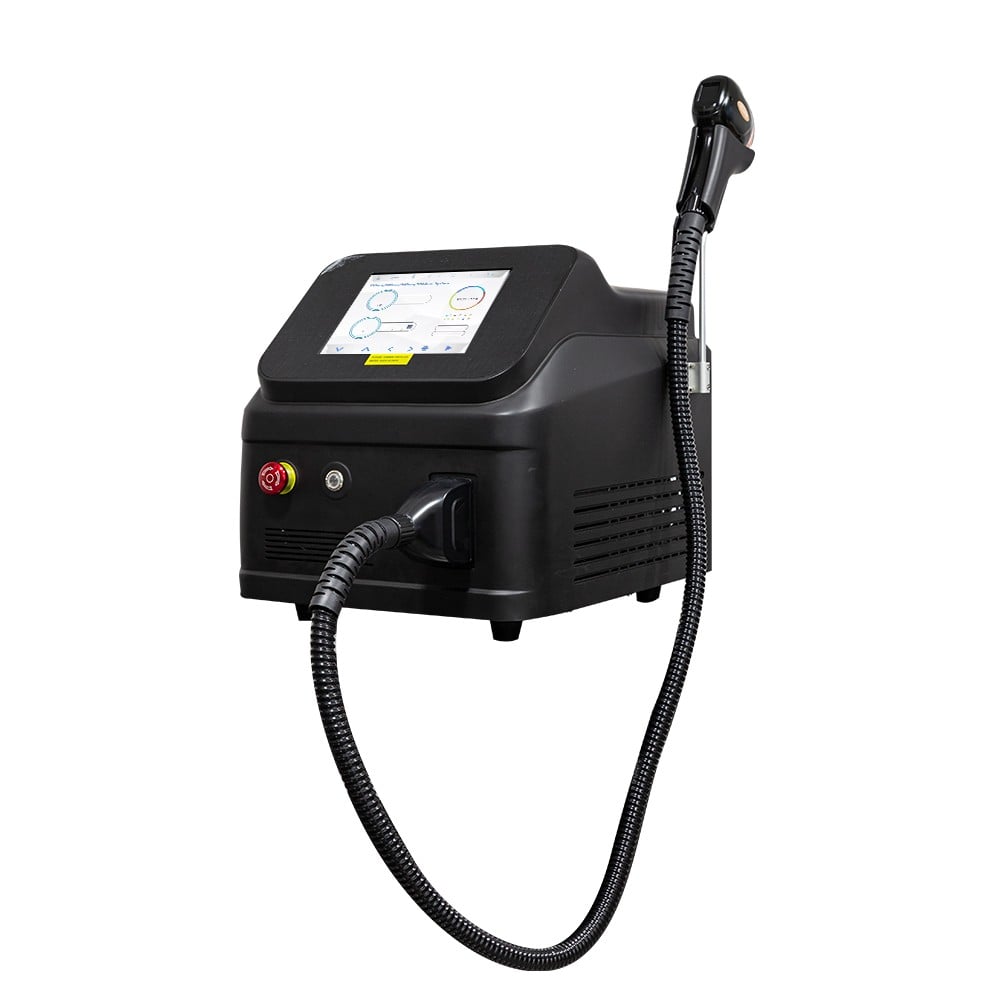
The goal is to establish whether a supplier can explain the device, document its intended use, and support your team after delivery. Evaluate technical specifications alongside training, maintenance arrangements, regulatory documentation, and total ownership costs. This approach makes the sourcing decision specific to your clinic rather than dependent on a general product brochure or a single headline specification.
Start with the treatment settings and patient population your clinic actually serves. Ask the supplier to explain wavelength options, available energy settings, pulse duration, spot size, repetition rate, and cooling design, then show where each value appears in the technical documentation. Confirm that the specifications describe the offered configuration, not a different model or optional upgrade. A clear explanation should connect each feature to a practical operating consideration without promising results that depend on individual assessment.
Consider how the supplier handles technical questions across its wider portfolio. If the business also discusses endolaser, ask whether product information and intended-use documents are kept distinct for each device category. The same discipline matters when reviewing a shockwave therapy machine, a pemf therapy device, or tecar equipment. Separate documentation reduces confusion in purchasing records and helps staff understand which instructions apply to the selected system.
Request applicable conformity documents, user instructions, warranty terms, and the process for reporting faults or safety concerns. Verify that model names and configuration details match across the quotation, manual, label information, and supporting records. Ask how the supplier communicates software changes, service bulletins, or revised operating guidance. Do not treat a logo or broad compliance statement as a substitute for documents relevant to the exact equipment being considered.
A supplier able to clarify documentation for endolaser should also explain which records are specific to the hair removal system. During the same review, check whether a shockwave therapy machine, pemf therapy device, or tecar product has separate manuals and service procedures. These questions do not imply that the modalities share technical requirements; they test whether the supplier maintains clear product governance across different equipment types.
Use a realistic operating scenario to assess how the supplier responds. Explain the clinic’s expected appointment flow, available room space, staff experience, and likely daily use, then ask what setup and workflow considerations need attention. A useful response should identify assumptions, request missing details, and point to the relevant manual or specification. Be cautious if basic questions receive only broad assurances or if important operating limits remain unclear.
Ask how product support is organized when the supplier offers endolaser alongside other technologies. Clarify whether the same service contact can route a question about a shockwave therapy machine, pemf therapy device, or tecar unit to someone familiar with that system. The key is not a large catalogue; it is a defined process for obtaining accurate answers, recording issues, and escalating technical concerns within a reasonable, stated timeframe.
Establish what delivery and commissioning include, who is responsible for installation, and what the clinic must prepare beforehand. Ask whether training covers device operation, routine checks, cleaning, contraindication screening, and escalation procedures, and confirm who may attend. Request the training format, expected duration, and any materials staff can revisit. Written details help the clinic plan coverage and prevent assumptions about services that may carry separate costs.
Discuss service access before signing, including how to request assistance, what information the support team needs, and how maintenance is scheduled. If you also source endolaser, a shockwave therapy machine, a pemf therapy device, or tecar equipment, compare the clarity of each service pathway without assuming that all systems use identical maintenance routines. Get response expectations, warranty exclusions, and any travel or labor charges in writing so operational planning reflects actual terms.
Ask the supplier how it handles replacement parts and equipment downtime, while avoiding reliance on an informal promise that a repair will be immediate. Clarify whether remote troubleshooting is available, which checks staff may perform, and when work must be completed by an authorized technician. For a clinic with several modalities, confirm that maintenance records identify each device separately and capture service dates, actions, and follow-up recommendations.
Compare more than the purchase price. Review delivery, installation, training, warranty duration, service fees, consumables, and any recurring charges that apply to the proposed configuration. Ask which items are included and which are optional, then request a written quotation with model identifiers and payment terms. A consistent cost comparison makes it easier to assess value without treating the lowest initial offer as the least expensive operating choice.
If the clinic is considering endolaser in the same investment period, distinguish that purchase case from the hair removal budget. Use the same cost categories when evaluating a shockwave therapy machine, a pemf therapy device, or tecar, but adapt assumptions to each device’s use and service needs. This portfolio-level view can reveal competing demands on staff time, rooms, and capital while preserving a fair, equipment-specific assessment.
Record the clinic’s requirements before final selection, then score each supplier against evidence rather than presentation quality. Include technical fit, documentation, training, service access, commercial terms, and unresolved questions. Ask the supplier to respond to gaps in writing and retain those answers with the quotation. A short internal review with clinical, operational, and purchasing stakeholders can surface concerns that one role might miss.
The final decision should reflect whether the supplier can support safe, informed use over the expected ownership period, not simply whether the equipment appears suitable during a demonstration. If endolaser, a shockwave therapy machine, a pemf therapy device, or tecar is also under consideration, keep separate evaluation notes for each category. Clear records protect the decision from shifting assumptions and give the clinic a practical reference during onboarding and later service discussions.
Before committing, confirm that the final quotation, configuration, delivery plan, training scope, warranty, and service route match what the team evaluated. Resolve discrepancies before payment or dispatch, and identify who within the clinic owns acceptance checks. This final review turns supplier selection into a controlled purchasing step and gives staff a shared understanding of what has been agreed.
Begin with the configuration, wavelength, operating settings, cooling design, and intended use, then verify each against the supplied documentation. Ask the supplier to explain how specifications relate to your planned workflow, rather than relying on headline figures alone.
It can be useful to understand the supplier’s support process across endolaser and a shockwave therapy machine, but assess each device independently. Confirm that a pemf therapy device and tecar have their own relevant documents, training details, and service arrangements.
Use the same written criteria for configuration, included services, warranty, training, and total costs. Treat an endolaser offer, shockwave therapy machine, pemf therapy device, or tecar proposal as a separate case, and compare evidence and terms rather than broad claims.

