

 EN

what-to-look-for-when-comparing-pemf-therapy-device-manufacturers, what-to-look-for-when-comparing-pemf-therapy-device-manufacturers, /blog
EN
Comparing PEMF therapy device manufacturers means looking beyond a brochure or headline specification. For a clinic, the right choice must fit treatment goals, staff workflows, patient needs, and the realities of maintaining physical therapy equipment over time. A structured review makes it easier to distinguish useful evidence from claims that are difficult to verify.
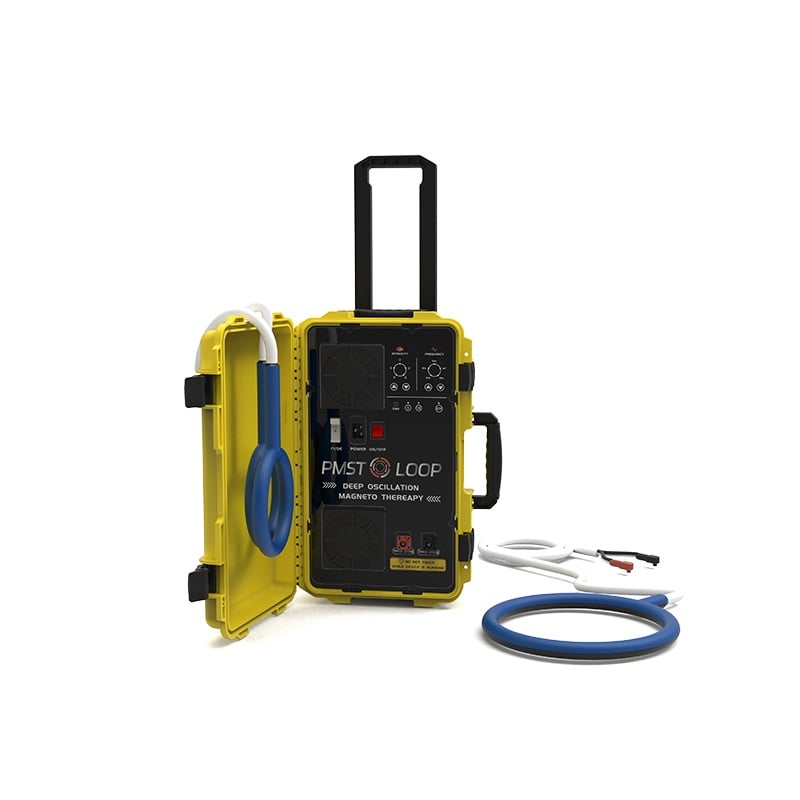
Start by asking what the device is intended to support in your setting and how its use will sit alongside existing care. A shockwave machine, tecar system, and focused shockwave therapy platform each have different operating principles; those distinctions matter when assessing a PEMF option. Compare documented features, training, and service commitments rather than assuming devices are interchangeable.
Before contacting manufacturers, define the patient groups and care pathways the equipment needs to serve. Consider where a pemf therapy device could complement current treatment, who will operate it, and what clinical protocols need to be reviewed. This gives your team a practical basis for comparing physical therapy equipment instead of relying on broad descriptions of potential applications.
Ask each manufacturer to explain the device’s intended use, operating parameters, and any patient considerations relevant to your service. Compare those details with the role of a shockwave machine already in your clinic, if applicable, without treating one modality as a substitute for another. A clear use case helps staff judge whether the proposed workflow is realistic.
Evaluate the treatment setup, room requirements, patient positioning, and time needed for staff to prepare and operate the system. Physical therapy equipment must work within appointment schedules and available space, not just meet a specification on paper. Ask for a demonstration using a representative workflow, and note any steps that require extra training or setup.
Clarify how the manufacturer describes PEMF in relation to tecar and focused shockwave therapy. These modalities are not identical, so compare their intended use and operating process rather than assuming similar names imply similar treatment. The distinction also helps managers decide whether an additional system fills a genuine service gap or duplicates existing capability.
Request product documentation that identifies intended use, operating limits, contraindications, and required precautions. Check that the information is clear enough for clinicians to apply within local policies, and ask how updates are communicated. When comparing physical therapy equipment, usable documentation is a practical requirement for consistent onboarding, safe operation, and internal review.
Ask for evidence that relates to the device and its stated applications, then examine what the evidence does and does not establish. Do not assume that findings for a shockwave machine transfer to a PEMF system, or that a general modality description proves a specific outcome. A manufacturer should be able to explain the basis and limits of its claims in plain language.
Confirm who provides installation, operator training, technical assistance, and routine maintenance. Ask about response channels, service hours, warranty coverage, and the process for diagnosing faults. These details affect how a pemf therapy device fits into a busy clinic, particularly when staff rely on physical therapy equipment for scheduled patient care.
Review the training format and materials for both initial users and future team members. Ask whether training covers practical operation, patient selection, cleaning, and escalation when a system behaves unexpectedly. A useful comparison also considers how support differs from what your team receives for tecar or focused shockwave therapy equipment already in service.
Compare the full cost of ownership, not only the purchase price. Include installation, training, consumables where relevant, maintenance, warranty terms, and any costs associated with service interruptions. For physical therapy equipment, these factors help procurement teams understand the budget commitment and compare a PEMF system fairly with a shockwave machine.
Ask manufacturers to specify what is included in a quotation and what may incur additional charges. Confirm expected maintenance responsibilities and whether the clinic needs to arrange inspections or retain particular records. If your service already uses tecar, compare operational needs and support requirements without treating a lower initial price as proof of better value.
Create shared evaluation criteria before reviewing proposals, including clinical fit, usability, documentation, training, support, and lifecycle costs. Have clinicians, operations staff, and procurement stakeholders assess the same information. This approach makes comparisons of physical therapy equipment more transparent and helps surface practical concerns before a purchase decision is made.
During demonstrations, ask the same questions of each manufacturer and record how clearly they answer. Consider whether the proposed system complements current services, including focused shockwave therapy, and whether staff can explain its place in the care pathway. A suitable choice is one your team can operate responsibly and support over its expected working life.
Begin with intended use, operating parameters, patient considerations, documentation, and training. Then ask how the system fits your clinic’s workflows and how service is handled. Compare answers with your needs for physical therapy equipment, your shockwave machine workflow, and any tecar or focused shockwave therapy services, while keeping modality differences clear.
Compare them as procurement options only where that helps clarify your service needs; do not assume they deliver the same treatment. Review each system’s intended use, workflow, evidence, training, and support. Physical therapy equipment decisions should reflect patient pathways, while tecar and focused shockwave therapy should be assessed according to their own documented applications.
Look at total ownership costs, service access, staff training, and how consistently the device fits your operating model. Ask for clear written terms and test the workflow before committing. Consider the broader physical therapy equipment portfolio, including any shockwave machine, tecar, or focused shockwave therapy platform, without assuming one modality replaces another.

