

 EN

why-cryolipolysis-treatments-cause-numbness-and-how-it-fades5, why-cryolipolysis-treatments-cause-numbness-and-how-it-fades5, /blog
EN
Temporary numbness after cryolipolysis is a recognized response to controlled cooling, not an unexpected sign that treatment has failed. Cold exposure can temporarily alter sensation in the treated area as the skin and nearby sensory nerves recover. Understanding how a cryolipolysis machine applies cooling, and what a typical recovery feels like, helps patients and clinic teams set realistic expectations.
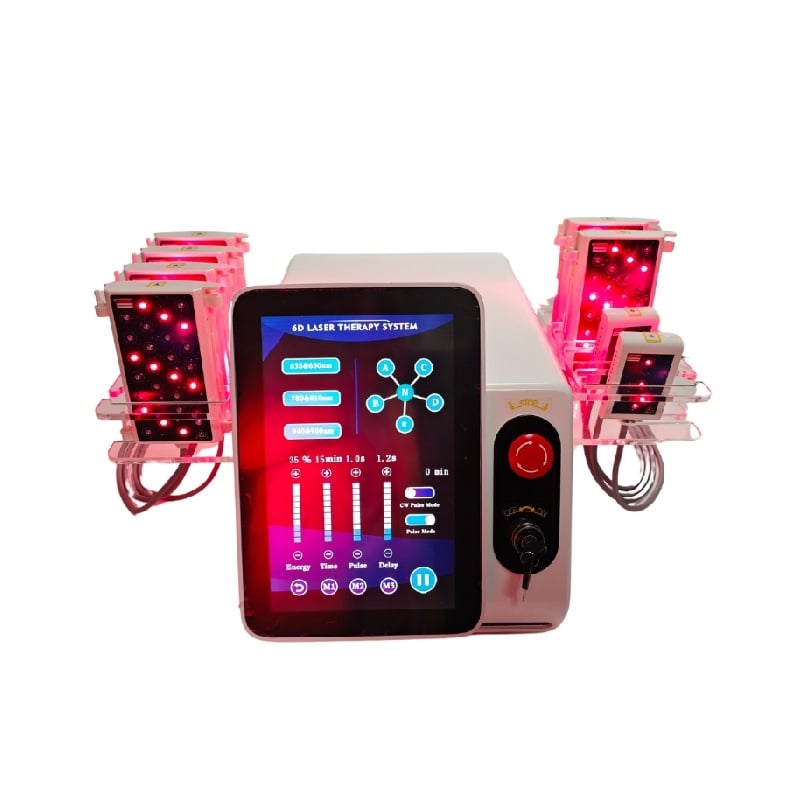
The sensation usually eases gradually, but its timing varies with the treatment area, individual sensitivity, and the details of the session. A fat freezing device is designed to cool a selected area; it is not intended to permanently numb skin. Knowing which sensations can occur, how they change, and when to contact the treating professional makes recovery easier to monitor.
During a cryolipolysis treatment, the applicator draws tissue into a treatment cup or holds it against a cooling surface. A cryolipolysis machine regulates the cooling cycle while the clinician follows the planned settings and checks the patient’s comfort. As tissue temperature falls, sensory nerves may transmit signals differently for a time, producing numbness, tingling, or a muted feeling in the area.
This temporary sensory change is related to the cooling process, rather than evidence that the whole body has lost sensation. A fat freezing device focuses on a selected region, and the feeling is usually local to that area. Skin may also feel firm or tender when the applicator is removed. The clinic should explain expected sensations before treatment and provide a way to raise concerns during the session.
Suction, contact pressure, and the shape of the treatment area can influence how the skin feels afterward. Body contouring equipment must be used according to its instructions and with an applicator suited to the intended area. A patient may notice a temporary combination of numbness and sensitivity rather than one consistent sensation. These responses can differ even when two people receive a similar cryolipolysis treatment.
The clinician’s assessment matters because numbness is only one part of the recovery picture. A cryolipolysis machine should be operated by a trained professional who reviews relevant health history, checks the skin, and explains aftercare. Good use of body contouring equipment includes a clear record of the area treated and the session settings. Those details can help the clinic respond if a patient reports an unusual or persistent change.
After a cryolipolysis treatment, the treated area may remain numb for a while before sensation gradually returns. Some people notice tingling, mild aching, or heightened sensitivity as the area recovers. A fat freezing device does not create an identical experience for everyone, so patients should avoid comparing their recovery too closely with someone else’s. The clinic can describe the range of expected responses for its protocol.
As sensation changes, gentle everyday movement may make the area feel more noticeable, but patients should follow the instructions they receive rather than trying to force a particular recovery. A cryolipolysis machine delivers a planned cooling cycle; it does not determine exactly how quickly an individual’s nerves resume normal signaling. Body contouring equipment should not be used again on an area simply because numbness or other sensations have not faded on a preferred schedule.
Follow the treating clinic’s aftercare guidance, including advice about skin care, activity, and whom to contact with questions. During a cryolipolysis treatment, the clinician should explain what is expected after the applicator is removed. A fat freezing device may be one part of a clinic’s treatment process, but clear communication and follow-up are also important. Patients can note when sensations change and whether discomfort is improving, stable, or worsening.
Do not apply extreme heat or cold to numb skin unless a healthcare professional advises it, because reduced sensation can make it harder to judge temperature. If a cryolipolysis machine has been used, keep the clinic’s aftercare contact information available and describe symptoms accurately. Responsible use of body contouring equipment includes setting expectations before a session and making a plan for questions afterward, rather than assuming every reaction is routine.
Mild numbness that steadily improves can fit the expected recovery pattern, but worsening or unusually persistent symptoms deserve attention. Contact the treating clinic if sensation is not changing as explained, discomfort becomes severe, or the skin develops concerning changes. A cryolipolysis treatment should come with guidance about whom to call. The clinic can review the area and determine whether an in-person assessment or medical advice is appropriate.
Seek prompt medical advice for symptoms that feel severe, rapidly worsen, or are accompanied by marked skin changes or other concerning effects. Do not rely on online timelines to decide that a symptom is harmless. A fat freezing device is not a substitute for clinical evaluation, and a cryolipolysis machine cannot assess a patient’s recovery once the session is over. When unsure, describe what you feel and when it began to a qualified professional.
Before treatment, ask how the clinic assesses suitability, what sensations may follow, and how concerns are handled. A practitioner should explain the planned cryolipolysis treatment in plain language, including expected temporary numbness and the limits of what the procedure can promise. Ask how the cryolipolysis machine is selected and operated for the treatment area. Clear answers allow patients to make a considered choice rather than relying on assumptions.
For clinic teams, safe use of body contouring equipment means following manufacturer instructions, maintaining appropriate training, documenting the session, and giving patients clear aftercare information. A fat freezing device should be selected and applied in line with its intended use and professional judgment. Good communication cannot prevent every temporary sensation, but it can help patients recognize normal changes, report concerns early, and understand the next step.
The duration varies between patients and treatment areas. Sensation often returns gradually, but the treating clinic is best placed to explain the expected course for its protocol. If numbness is worsening, unusually persistent, or accompanied by concerning symptoms, contact a healthcare professional rather than waiting based on a general estimate.
Temporary numbness can occur as sensory nerves respond to controlled cooling and does not by itself establish that lasting injury has occurred. However, no general explanation can diagnose an individual symptom. Report severe or persistent changes to the treating clinic so a qualified professional can assess them and advise on care.
Use only the aftercare instructions provided by the clinic. Avoid extreme temperatures on numb skin because reduced sensation can make it difficult to judge whether an application is too hot or cold. If you are uncertain about massage, warming, or another intervention after treatment, ask the treating professional before trying it.

