

 EN

why-diode-laser-hair-removal-hurts-more-on-certain-body-areas, why-diode-laser-hair-removal-hurts-more-on-certain-body-areas, /blog
EN
Pain during treatment varies because body areas differ in skin sensitivity, hair density, and distance from bone. A diode laser hair removal machine delivers energy to hair follicles, but the sensation is also shaped by how the tissue responds. That is why the same hair removal laser settings may feel mild on one region and sharp on another.
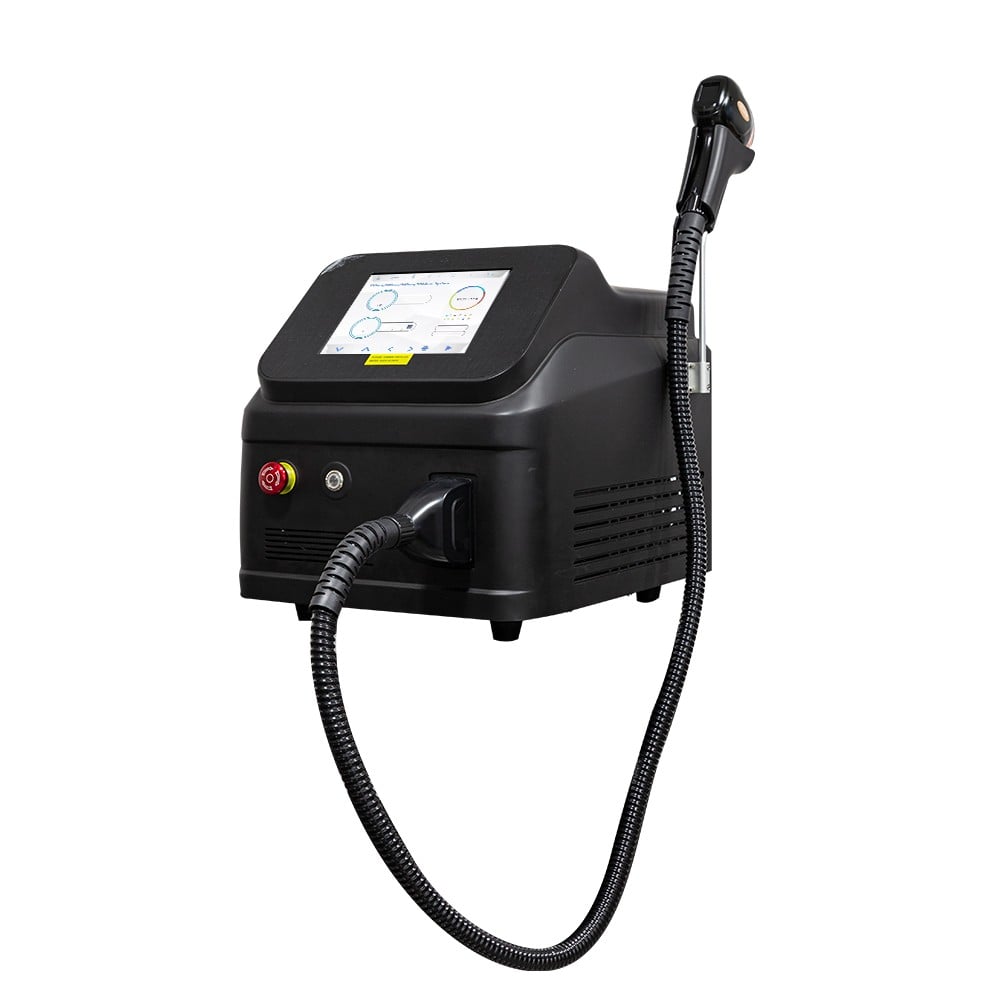
The discomfort is usually brief, often described as warmth, snapping, or a quick sting. Knowing why it changes by location helps clients prepare and helps trained operators adjust treatment responsibly. An 808nm diode laser and a professional hair removal device can support controlled delivery, but neither makes every body area feel identical.
Areas such as the upper lip, bikini line, and underarms contain many sensory nerve endings, so a pulse can feel more pronounced there. The hair removal laser heats pigment in the follicle, while nearby skin receptors register the rapid change in temperature. A diode laser hair removal machine therefore may produce a sharper sensation in these regions even when treatment is performed carefully.
An 808nm diode laser is designed to target hair follicles, but skin thickness and nerve distribution still matter to comfort. A professional hair removal device should be operated with settings chosen for the individual and the treatment area, rather than applying one approach everywhere. Small, localized sensations are not a direct measure of whether the treatment is working.
The shins, ankles, and areas over the ribs can feel more intense because there is less soft tissue between the skin and underlying bone. Dense, coarse hair may also absorb more energy in a treatment pass, creating a stronger momentary sensation. For a diode laser hair removal machine, these differences explain why a client may report greater discomfort on a bony area than on a broader, fleshier region.
An 808nm diode laser treatment should account for both the hair and the skin response. When hair is dense, the operator can assess the area in smaller sections and check how the client responds as treatment progresses. The hair removal laser sensation can then be managed through careful pacing and suitable settings, not by assuming every pulse should feel the same.
Recently shaved skin, dryness, irritation, or a tan can change how an area responds. Skin that is already inflamed or compromised may feel more reactive, so assessment before treatment is important. A professional hair removal device does not remove the need to review skin condition; the operator should follow the device guidance and postpone or adapt treatment when appropriate.
Clients also notice contrasts because neighboring regions can have different hair growth and skin characteristics. An 808nm diode laser may be used across several areas, yet each site calls for attention to coverage, contact, and comfort feedback. With a diode laser hair removal machine, recording the client’s response by area gives the operator useful context for future appointments.
Pulse settings, spot coverage, handpiece contact, and movement speed all influence the sensation. A professional hair removal device should be used according to its operating instructions, with parameters matched to the treatment area and client assessment. If a pass feels unusually painful, the operator should pause, check technique and skin response, and make appropriate adjustments rather than simply continuing.
Cooling can help manage surface heat and improve comfort, but it does not eliminate all sensation. The hair removal laser still needs effective contact and consistent coverage, while the operator monitors the client throughout the session. Clear communication matters: clients should describe whether the feeling is brief and tolerable or becoming intense, hot, or persistent.
Follow the clinic’s pre-treatment instructions, including guidance on shaving, sun exposure, and products applied to the area. Avoid arriving with irritated skin, and tell the operator about recent changes, medications, or previous reactions that could affect treatment. A diode laser hair removal machine session is easier to tailor when the operator has accurate information before starting.
During treatment, describe the location and quality of any discomfort instead of rating the whole session as one experience. An 808nm diode laser appointment can involve very different sensations across the upper lip, legs, and underarms. Specific feedback helps the operator assess cooling, contact, and settings while maintaining a measured pace.
Comfort may vary between visits as hair density and growth change, and it can also differ with the area being treated. A professional hair removal device supports consistent procedure, but individual sensitivity remains part of the experience. Clients should expect short-lived sensations rather than assuming treatment will be entirely sensation-free.
After a session, mild temporary warmth or redness can occur; follow the provider’s aftercare guidance and report symptoms that are severe, persistent, or unexpected. Hair removal laser care depends on appropriate assessment before, during, and after treatment. Keeping notes about sensitive spots can help make later appointments more informed without promising that discomfort will disappear.
Bony areas have less cushioning tissue, so the pulse may feel sharper than it does on a fleshy region. A diode laser hair removal machine still targets follicles, but local anatomy affects how the sensation is perceived. Operators can assess comfort and adjust their approach for the area.
No. Cooling can reduce surface heat and support comfort, but it cannot guarantee a sensation-free session. An 808nm diode laser and a professional hair removal device must still be used with suitable settings, technique, and ongoing communication.
Tell the operator and pause so they can check the skin, contact, and treatment settings. A diode laser hair removal machine should not be continued through severe or escalating discomfort without assessment. The hair removal laser process and device approach can then be reviewed for safer, more appropriate care.

