

 EN

why-endolaser-treatments-cause-prolonged-postprocedure-swelling, why-endolaser-treatments-cause-prolonged-postprocedure-swelling, /blog
EN
Prolonged post-procedure swelling is one of the most common patient concerns following endolaser treatments. While many patients expect some mild inflammation after a minimally invasive laser device procedure, the duration and intensity of swelling can sometimes exceed initial expectations. Understanding why this happens requires examining the biological mechanisms triggered by endolaser technology and how the body responds to thermal energy delivery beneath the skin surface.
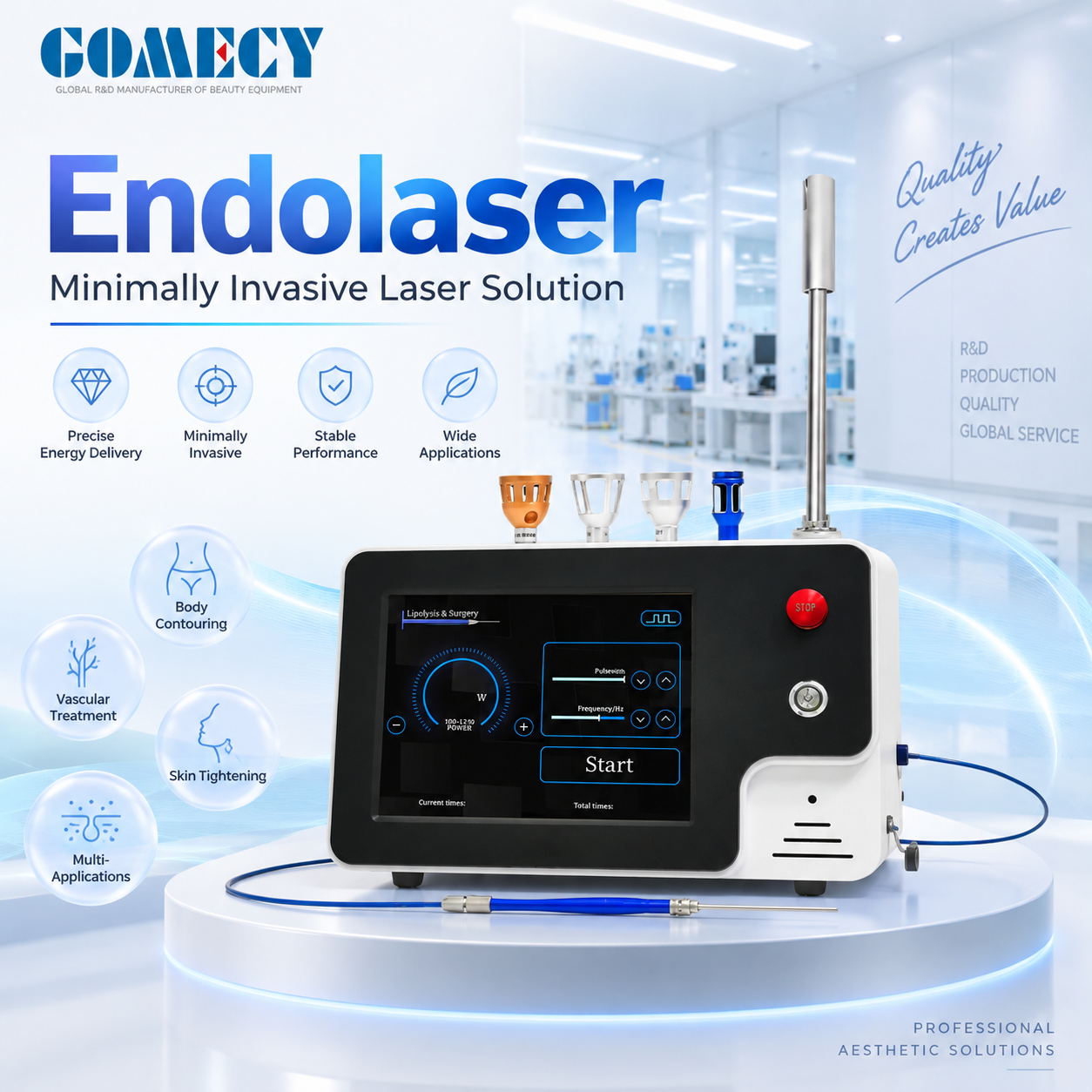
The inflammation associated with laser lipolysis fiber procedures is not a complication but rather a predictable consequence of how endolaser treatment works at the cellular level. When thermal energy from a minimally invasive laser device reaches adipose tissue and surrounding structures, it initiates a cascade of physiological responses designed to repair and remodel treated areas. This natural healing process can persist for several weeks, making patient education about realistic timelines essential before any endolaser treatment begins.
An endolaser system delivers controlled thermal energy to subcutaneous tissues, intentionally creating microscopic thermal damage. This controlled injury triggers the body's inflammatory response, which is actually the beginning of the healing and remodeling process. Laser lipolysis fiber technology works by heating adipocytes to the point of disruption while simultaneously coagulating small blood vessels. The immediate inflammatory cascade releases cytokines and immune signaling molecules that increase vascular permeability, allowing fluid to accumulate in tissue spaces.
The degree of post-procedure swelling from a minimally invasive laser device correlates directly with the energy delivered and the surface area treated. Larger treatment zones or higher energy settings during endolaser treatment generate more extensive thermal injury, which proportionally increases the inflammatory response. This is why patients treated with aggressive endolaser parameters often report swelling that peaks around day three to five and gradually resolves over two to four weeks.
Endolaser treatment disrupts normal lymphatic drainage in the treated area. The thermal energy from the minimally invasive laser device can cause temporary dysfunction of lymphatic vessels, reducing the tissue's ability to clear excess fluid. This lymphatic compromise is a primary driver of prolonged swelling after laser lipolysis fiber procedures. Additionally, the inflammation itself further impairs lymphatic function, creating a self-perpetuating cycle where swelling contributes to continued swelling until lymphatic capacity recovers.
The depth of endolaser penetration also matters significantly. Because this technology targets deeper adipose layers while minimizing surface damage, swelling often concentrates in deeper tissue planes where lymphatic recovery proceeds more slowly than in superficial tissues. Patients may notice that outer skin appears relatively normal while underlying swelling persists, a pattern consistent with how endolaser treatment distributes thermal effects.
Beyond the acute inflammatory phase, endolaser treatment stimulates collagen remodeling that extends swelling timelines. The thermal energy activates fibroblasts, which begin synthesizing new collagen and extracellular matrix components. This remodeling process, which is therapeutically beneficial, requires continued cellular activity and fluid accumulation for approximately four to eight weeks. Laser lipolysis fiber procedures deliberately engage this mechanism to achieve skin tightening and contour improvement, but the biological cost is extended post-treatment swelling.
Endolaser-induced fibroblast activation is a gradual process. The minimally invasive laser device creates a wound-healing stimulus that triggers phases of inflammation, proliferation, and remodeling. Each phase overlaps with the others, meaning patients experience overlapping biological processes that collectively maintain fluid retention and visible swelling for longer than purely inflammatory conditions would generate.
An endolaser treatment creates hundreds of microscopic zones of thermal injury within fat tissue. Each of these microtrauma sites generates a small inflammatory response, and collectively these responses create measurable swelling. The minimally invasive laser device distributes energy across treatment zones, but this means that swelling is distributed throughout the treated volume rather than concentrated in one area. Distributed swelling across larger tissue volumes takes longer to resolve because the lymphatic system must clear fluid from multiple sites simultaneously.
Fluid reabsorption following laser lipolysis fiber procedures is not instantaneous. Edematous fluid must be reprocessed through lymphatic channels, metabolized, or redistributed into the vascular system over time. Because endolaser treatment affects substantial tissue volumes, this clearance process naturally extends across two to four weeks minimum, with residual swelling sometimes persisting for six to eight weeks in cases involving aggressive treatment parameters.
Not all patients experience identical swelling timelines after endolaser treatment. Individual variations in lymphatic system efficiency, collagen metabolism rate, and inflammatory response intensity create meaningful differences in recovery trajectories. Patients with pre-existing lymphatic insufficiency or those predisposed to keloid formation often experience more pronounced and prolonged swelling following any minimally invasive laser device procedure. Age, baseline skin quality, and metabolic factors also influence how quickly the body resolves post-endolaser inflammation.
The extent of thermal injury from laser lipolysis fiber procedures depends partly on tissue composition and skin thickness. Patients with thicker dermis or denser adipose tissue may experience more pronounced swelling because thermal energy distribution differs in heterogeneous tissue. Endolaser treatment effectiveness and recovery timelines are thus individualized, making generic recovery predictions unreliable for clinical counseling.
The specific energy settings, fiber size, and treatment duration selected for endolaser procedures significantly impact swelling severity. Higher power settings and longer treatment durations create greater thermal injury, proportionally increasing inflammation. A minimally invasive laser device operated at conservative parameters generates less swelling but may require staged treatments to achieve desired contour changes. Conversely, aggressive single-session endolaser treatment reduces the number of procedures but extends the individual recovery period.
Clinical protocols using laser lipolysis fiber technology must balance efficacy against patient tolerance for downtime and swelling. Practitioners who perform endolaser treatment must understand that treatment aggressiveness directly determines post-procedure swelling timelines. Informed consent conversations should explicitly address this relationship, helping patients understand why their specific treatment plan generates predictable swelling patterns aligned with clinical objectives.
Swelling from endolaser procedures typically peaks between days three and five and gradually improves over two to four weeks. However, residual swelling can persist for six to eight weeks, particularly following aggressive treatment. The timeline varies based on treatment area size, energy delivered, and individual healing capacity. A minimally invasive laser device procedure affecting larger areas naturally requires longer swelling resolution than small localized treatments. Patients should expect visible improvement within two weeks but should not be alarmed by lingering mild swelling through week four to six.
Compression garments worn consistently for the first two weeks significantly reduce swelling after endolaser treatment. Lymphatic massage performed by trained specialists can enhance fluid clearance and accelerate resolution. Elevation of treated areas, adequate hydration, and light activity promote healthy lymphatic drainage. Avoiding strenuous exercise and heat exposure during the first week protects newly treated tissue and prevents exacerbation of inflammation. A minimally invasive laser device procedure requires diligent post-care adherence to optimize swelling resolution timelines.
Swelling that follows the expected timeline and gradually improves is not a complication but a normal physiological response. Endolaser treatment intentionally stimulates inflammation as part of the therapeutic mechanism. However, swelling that worsens after day five, becomes asymmetrical, or is accompanied by excessive pain, warmth, or drainage may indicate infection or other complications requiring medical evaluation. Patients should distinguish between expected post-laser lipolysis fiber inflammation and atypical responses. A minimally invasive laser device procedure that generates normal swelling patterns is progressing appropriately despite patient discomfort.

