

 EN

why-focused-shockwave-needs-different-protocols-than-radial-waves, why-focused-shockwave-needs-different-protocols-than-radial-waves, /blog
EN
Focused shockwave therapy needs protocols that reflect how focused energy is generated and delivered, rather than borrowing settings designed for radial waves. Although both approaches belong to extracorporeal shockwave practice, their energy distribution and tissue targets differ. Clinicians should therefore set treatment goals, select parameters, and monitor response according to the modality and the patient.
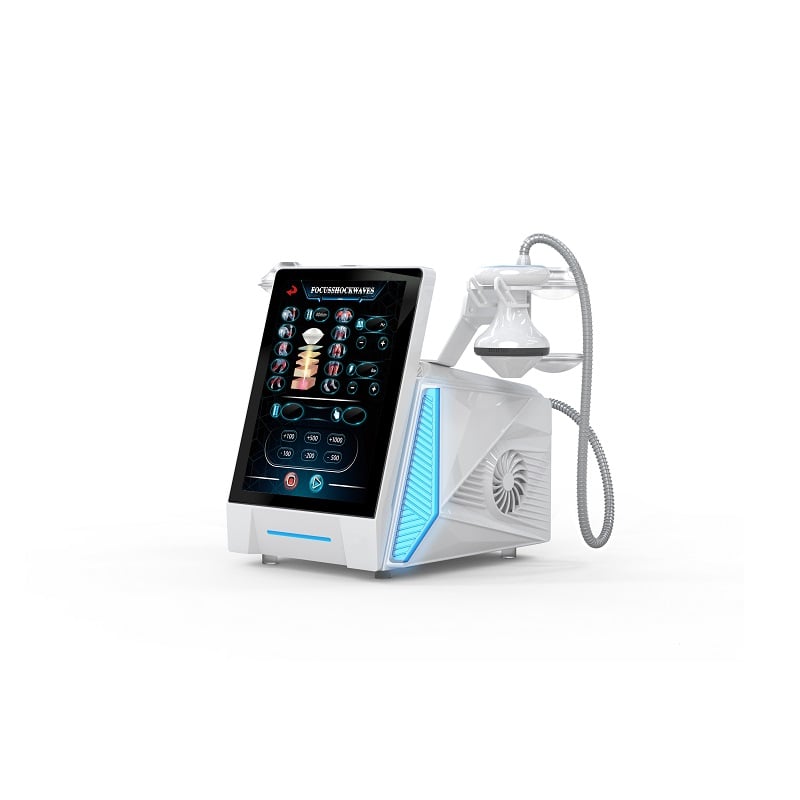
For teams in orthopedic rehabilitation, the practical issue is not whether one wave type is universally better. It is whether a protocol matches the device, anatomy, diagnosis, and intended clinical outcome. A focused shockwave device can concentrate energy at a selected depth, so treatment planning must account for target location and patient tolerance in ways that differ from radial application.
Focused shockwave therapy directs acoustic energy toward a chosen focal region, while radial waves spread energy outward from the applicator surface. This physical distinction affects where clinicians expect the strongest effect and how they position the treatment head. Extracorporeal shockwave is an umbrella term, not a guarantee that settings transfer safely or meaningfully between technologies.
A focused shockwave device requires attention to focal depth, coupling, and the relationship between the applicator and the suspected tissue source. Radial protocols may emphasize the treatment area more broadly because energy is greatest near the applicator and disperses with depth. In either case, anatomical landmarks and examination findings should guide placement, not a generic diagram or copied routine.
For deeper or more clearly localized structures, clinicians may consider focused shockwave therapy when the device and clinical indication support that approach. The treatment plan should specify the intended region and account for tissue thickness, nearby sensitive structures, and patient positioning. In orthopedic rehabilitation, this planning helps connect the intervention to functional goals rather than simply covering a large surface area.
Radial waves can be useful when a broader, more superficial treatment field is appropriate, but their application logic is not interchangeable with focal targeting. An extracorporeal shockwave protocol should state which modality is being used, why it fits the target, and how the applicator will be moved or held. That clarity helps prevent a focused protocol from becoming an imprecise radial-style sweep.
Focused shockwave therapy protocols should define energy level, pulse count, frequency, and treatment sites in relation to the indication and the patient’s response. These variables are not independent: changing energy or pulse count can alter the overall stimulus. A focused shockwave device may display parameters differently from another system, so clinicians should consult its instructions and avoid assuming identical values produce equivalent exposure.
Radial protocols also use adjustable settings, but the meaning of a setting depends on the device’s mechanism and applicator. Extracorporeal shockwave planning should therefore document the selected modality alongside the clinical rationale, rather than recording numbers alone. For orthopedic rehabilitation teams, consistent records support review across visits and make it easier to interpret whether a change in symptoms followed a meaningful protocol adjustment.
A protocol should describe how the clinician will respond to discomfort, guarding, or an unexpected symptom during treatment. Focused shockwave therapy may require careful adjustment of site or intensity when the intended focal region is sensitive. Patient feedback matters, but it should be interpreted with the examination, treatment objective, and device guidance rather than treated as a stand-alone dosing rule.
Progression should be deliberate, with relevant findings checked before a clinician changes energy, pulse count, or treatment area. A focused shockwave device does not remove the need for screening, informed consent, or appropriate professional judgment. In orthopedic rehabilitation, this measured approach makes the plan easier to communicate among clinicians and keeps each session tied to a defined functional objective.
Before treatment, record the diagnosis or working clinical rationale, the tissue target, relevant history, and factors that may change suitability. Focused shockwave therapy protocols should also identify contraindications and precautions according to professional guidance and device instructions. The record can clarify why focal energy was selected instead of a broader radial approach, especially when several structures could contribute to the patient’s symptoms.
Documentation should identify the modality, applicator, site, settings, patient response, and any adverse effects. For extracorporeal shockwave care, consistent notes make it possible to distinguish a change in treatment method from a change in the patient’s condition. A focused shockwave device may offer different controls or treatment indications, so the operating workflow should be specific to that system and staff training.
Evaluate outcomes against the reason for treatment, using suitable measures such as pain during a relevant task, range of motion, or participation in rehabilitation activities. Focused shockwave therapy should not be judged only by immediate sensation after a session. Symptoms can vary, and a clinician should consider the broader clinical course before deciding whether to continue, modify, or stop an intervention.
This distinction also matters when a patient moves between focused and radial treatment. An extracorporeal shockwave plan should document why that change is being considered and which outcome will help assess it. In orthopedic rehabilitation, linking treatment decisions to function keeps the protocol purposeful and helps clinicians explain its role alongside exercise, load management, and other appropriate care.
In short, separate protocols are warranted because focused and radial waves do not create the same energy distribution or targeting assumptions. Focused shockwave therapy requires attention to the focal region, while an extracorporeal shockwave workflow must still account for the specific modality. A focused shockwave device should be used within its instructions, and orthopedic rehabilitation goals should shape monitoring and review.
Radial and focused systems differ in energy delivery and target assumptions. A focused shockwave therapy protocol should use parameters appropriate to the device and treatment aim, not values transferred from radial practice. Clinicians should verify settings against device guidance, consider the patient’s presentation, and record why the chosen dose is suitable. That approach keeps an extracorporeal shockwave plan clinically coherent.
Not automatically. The intended target depends on the indication, anatomy, equipment, and clinical assessment. A focused shockwave device can concentrate energy at a selected depth, but clinicians still need to confirm that the planned site is relevant and appropriate. Orthopedic rehabilitation decisions should connect the target to examination findings and functional goals, rather than assuming depth alone establishes suitability.
Define patient screening, treatment rationale, target and positioning, device-specific settings, response monitoring, documentation, and review criteria. The focused shockwave therapy workflow should distinguish focused from radial treatment, while orthopedic rehabilitation records should track relevant function. Clinicians should follow device instructions and professional guidance, and reassess whether extracorporeal shockwave treatment remains appropriate as the patient’s needs change.

