

 EN

why-ipl-treatments-feel-hotter-on-certain-skin-and-hair-types, why-ipl-treatments-feel-hotter-on-certain-skin-and-hair-types, /blog
EN
IPL treatments can feel warmer or sharper on some skin and hair types because light energy interacts differently with pigment, treatment settings, and the condition of the skin. An ipl machine delivers pulses that are absorbed by targeted color in the skin or hair, so comfort can vary even when the same area is treated.
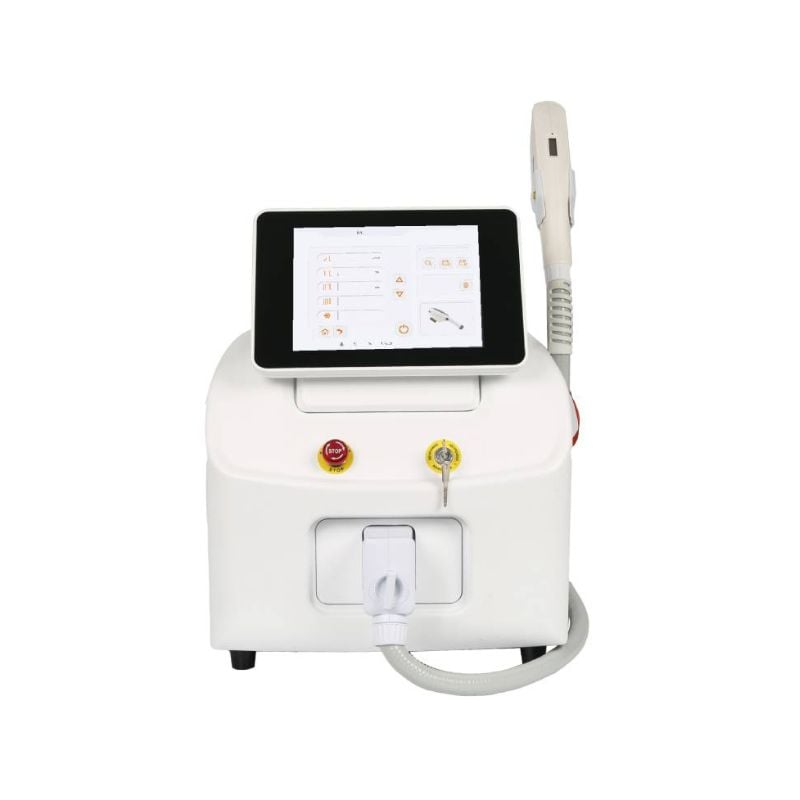
The sensation is not a simple measure of treatment quality. Skin tone, hair thickness, recent sun exposure, pulse settings, and contact cooling all influence how heat is perceived. Understanding these factors helps operators assess comfort, adjust a treatment responsibly, and explain why photorejuvenation equipment may feel different from one client or appointment to another.
An intense pulsed light device directs broad-spectrum light toward selected targets, including melanin. When more pigment is present in the epidermis, the surrounding skin may absorb more energy than intended, increasing warmth or discomfort. This is why an ipl machine requires an appropriate assessment of skin tone and recent tanning before settings are selected.
A deeper complexion is not a reason to assume that treatment is impossible, but it changes the safety considerations. The operator should follow the device’s guidance, assess the treatment area, and choose parameters conservatively. A skin rejuvenation device used without attention to pigment can create unnecessary heat, while photorejuvenation equipment used with suitable settings and screening supports a more controlled approach.
Coarse, dark hair contains more pigment and can absorb more light energy than fine, light hair. That absorption is part of the intended hair-removal mechanism, but it can also produce a stronger warm or snapping sensation. An intense pulsed light device may therefore feel more noticeable on dense hair than on a sparsely covered area during the same appointment.
Hair length and preparation matter as well. Visible hair above the skin can absorb energy at the surface and create extra heat, so following the clinic’s shaving instructions can improve comfort. An ipl machine should be used according to its treatment protocol rather than by increasing energy simply because hair appears resistant. Photorejuvenation equipment and a skin rejuvenation device also need settings matched to the intended target, not just the person’s pain tolerance.
Fluence, pulse duration, filter choice, and the interval between pulses all contribute to the sensation. Higher energy can produce more heat, but settings cannot be judged in isolation: the target, skin tone, and device instructions must be considered together. An intense pulsed light device should be configured by a trained operator who understands the device and the planned indication.
Body areas also differ in sensitivity, skin thickness, and hair density. A small, bony area may feel sharper than a broader area, while overlapping passes can make warmth build during a session. For an ipl machine, consistent placement and appropriate spacing between pulses help avoid unnecessary repeated exposure. A skin rejuvenation device should be used with particular care around areas where skin is delicate or reactive.
Contact cooling, chilled gel where specified, and clean contact between the applicator and skin can reduce surface discomfort. Cooling does not eliminate the need for suitable settings or careful observation. When photorejuvenation equipment includes a cooling method, the operator should use it as directed and check that the skin remains comfortable throughout treatment.
Dryness, irritation, inflammation, or a recent sunburn can make skin feel more sensitive to heat. Recent tanning may also increase pigment-related risk, even when the skin does not look dramatically darker. A skin rejuvenation device should not be used to push through unexpected sensitivity. With an intense pulsed light device, pausing to reassess is safer than treating discomfort as something the client simply needs to tolerate.
Before using an ipl machine, review relevant skin history, recent sun exposure, medications, and any prior reactions. The operator should examine the treatment area and confirm that the planned settings suit the client and the target. Photorejuvenation equipment works across different indications, so screening should reflect whether the goal is hair reduction, pigment targeting, or another approved use.
Clients should follow the provider’s instructions about shaving, sun avoidance, and skin products. They should disclose new irritation, tanning, or medication changes rather than assuming these details are unimportant. An intense pulsed light device may require a test spot or a conservative starting approach according to its protocol. A skin rejuvenation device is not a substitute for a clinical assessment when the skin is unusually reactive.
Mild warmth or brief snapping sensations may occur, but escalating pain, persistent burning, or an unexpected skin reaction calls for an immediate pause and assessment. The operator can check contact, cooling, coverage, and settings before deciding whether to continue. An ipl machine should never be adjusted beyond its instructions just to chase a stronger sensation or a faster result.
After treatment, follow the provider’s aftercare directions and monitor the area for changes. Temporary warmth can be different from prolonged discomfort or visible injury, so clients should report concerns promptly. Photorejuvenation equipment should be maintained and operated in line with its guidance, while a skin rejuvenation device should be selected and applied for the specific treatment need. Clear communication helps distinguish expected sensation from a signal to stop.
No. Sensation varies between people and treatment areas, but greater epidermal pigment can change how light is absorbed and may increase risk. An ipl machine requires careful skin assessment and appropriate settings; skin tone alone cannot predict exactly how a session will feel.
It can. Dark, coarse, or dense hair may absorb more energy and make warmth more noticeable. An intense pulsed light device should still be configured for the client and protocol, rather than using discomfort as a guide to treatment effectiveness.
Tell the operator immediately and ask for a pause so the skin and settings can be checked. Do not endure persistent burning. A skin rejuvenation device or other photorejuvenation equipment should be used only within its instructions and with comfort and skin response monitored.

