

 EN

why-microneedling-sessions-sometimes-cause-unexpected-bleeding, why-microneedling-sessions-sometimes-cause-unexpected-bleeding, /blog
EN
Unexpected bleeding during a treatment can be alarming, but a small amount of pinpoint bleeding may occur when needles reach the skin’s superficial blood vessels. A microneedling machine creates controlled channels; the response depends on treatment settings, the area treated, and individual skin characteristics.
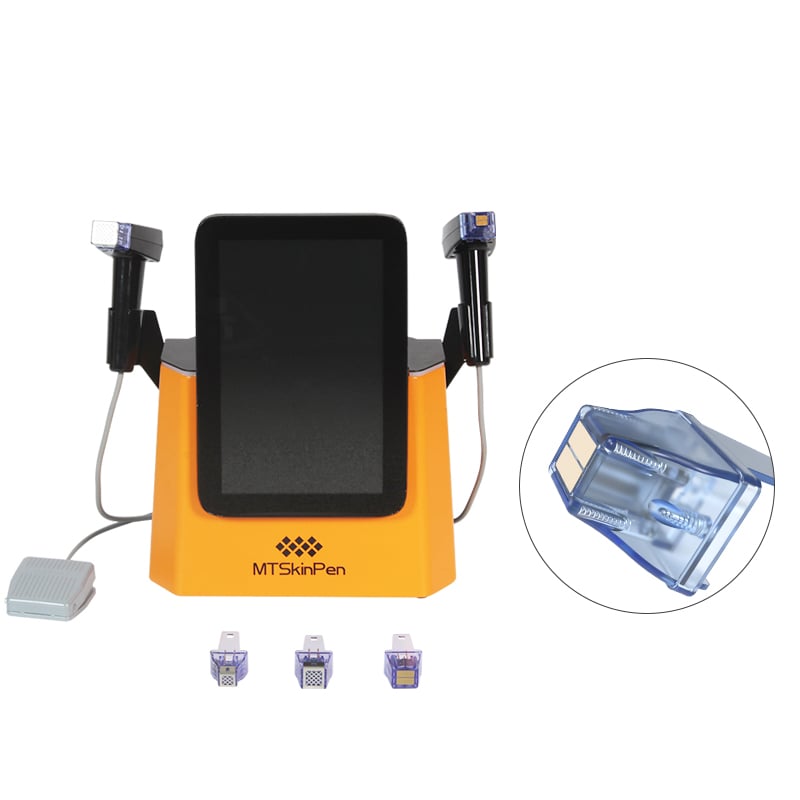
The key distinction is between brief, limited pinpoint bleeding and bleeding that is persistent, widespread, or accompanied by unusual symptoms. Understanding how an rf microneedling device, skin needling equipment, and a collagen induction device are used helps explain why outcomes vary and when a practitioner should reassess the procedure.
Needle depth matters because blood vessels are not distributed evenly through the skin. A microneedling machine set for a deeper pass may reach more small vessels than a shallow pass, while delicate areas can react differently from thicker skin. An rf microneedling device also combines needle penetration with energy delivery, so the treatment plan needs to reflect the intended area and clinical purpose.
Practitioners should select settings based on the client’s skin, treatment site, and professional protocol rather than using one depth everywhere. Skin needling equipment with adjustable depth can support site-specific decisions, but adjustment alone does not prevent bleeding. A collagen induction device still creates controlled skin injury, and the response depends on how that injury is delivered.
Excessive pressure, repeated passes, or uneven movement can increase tissue trauma. With a microneedling machine, steady handling and a planned pattern help reduce unintentional overlap. An rf microneedling device should be operated according to its instructions and the practitioner’s training, since needle placement and energy settings contribute to the overall exposure.
The treatment record can help identify whether bleeding follows a particular depth, area, or pass pattern. If skin needling equipment is used inconsistently, results may vary across the same treatment zone. A collagen induction device is not a substitute for assessment: practitioners need to watch the skin response during treatment and stop or modify the approach when it is outside the expected range.
Skin thickness, sensitivity, active irritation, and existing lesions can influence how readily pinpoint bleeding appears. A microneedling machine may produce a different response on the cheeks than on the forehead, even for the same person. Before using an rf microneedling device, a qualified practitioner should review the skin’s condition and determine whether treatment should proceed, be adjusted, or be postponed.
Medical history also matters. Some medications and health conditions can affect bleeding or healing, so clients should disclose relevant information rather than stopping prescribed medication on their own. Skin needling equipment should be used only after appropriate screening, and a collagen induction device should not be applied over skin that a practitioner has identified as unsuitable for treatment.
Recent procedures, sun exposure, irritation, or a compromised skin barrier may make treatment less appropriate on a given day. A practitioner using a microneedling machine should ask about recent changes and examine the treatment area before beginning. With an rf microneedling device, following the device instructions and established clinical protocols is essential; unexpected bleeding is a reason to pause and assess.
Clients can support informed decisions by sharing a complete history and following pre-treatment guidance supplied by their clinician. Skin needling equipment cannot account for unreported medicines or recent skin changes. The practitioner must assess those factors before proceeding with a collagen induction device, then explain likely reactions and the specific signs that warrant follow-up.
A few small points of blood that stop promptly may occur during a controlled procedure, but the practitioner should judge the response in context rather than dismiss it automatically. When a microneedling machine produces more bleeding than anticipated, treatment should be paused while the area and technique are reassessed. An rf microneedling device should not be used to continue through an unexplained reaction.
Persistent bleeding, increasing pain, marked swelling, or other unexpected symptoms call for prompt professional assessment. The practitioner should follow appropriate infection-control procedures and provide clear aftercare guidance. Skin needling equipment should be cleaned and handled according to its instructions, while any concern about a collagen induction device procedure should be discussed with the treating professional.
Prevention begins with appropriate training, screening, device maintenance, and a treatment plan matched to the person and site. A microneedling machine should be used within its intended settings, with sterile single-use components where specified by the manufacturer. For an rf microneedling device, practitioners should understand both needle parameters and energy delivery rather than focusing on only one setting.
Good communication is part of safe practice: explain expected skin responses, ask about relevant health changes, and document settings and observations. Skin needling equipment should be checked before use, and practitioners should avoid treating through uncertainty. A collagen induction device can be used responsibly only when the operator follows training, hygiene requirements, and appropriate referral procedures.
No. Limited pinpoint bleeding can occur, but it should be brief and consistent with the planned treatment. Skin needling equipment should be adjusted or treatment paused if the response is more extensive than expected, and the practitioner should assess the cause.
Yes. Depth, pressure, repeated passes, and treatment location can affect the response. A collagen induction device must be used according to professional training and the device instructions, with settings selected for the individual rather than copied from another treatment.
Contact the treating practitioner for guidance, especially if bleeding does not settle or comes with worsening pain, swelling, or other concerning symptoms. Do not repeat treatment with a microneedling machine or rf microneedling device until a qualified professional has assessed the situation.

