

 EN

why-shockwave-machines-lose-output-between-scheduled-service-visits, why-shockwave-machines-lose-output-between-scheduled-service-visits, /blog
EN
When a shockwave machine seems weaker before its next scheduled service, the change may reflect gradual performance drift rather than a sudden failure. Output can be affected by component wear, treatment setup, operating conditions, or measurement differences. Understanding these causes helps clinic teams distinguish a genuine equipment issue from a change in how a session is delivered.
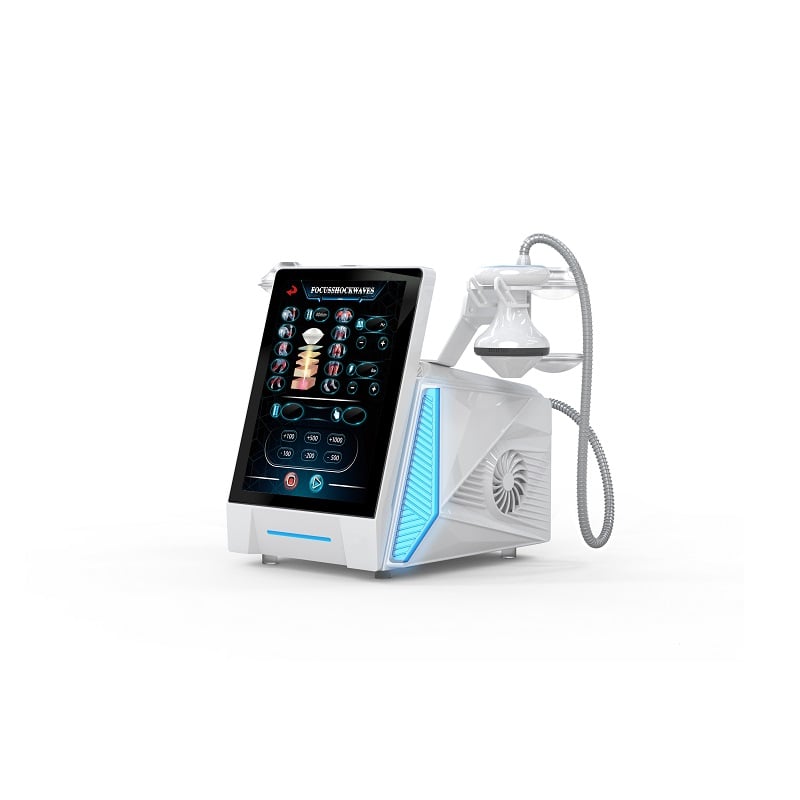
Scheduled servicing is a checkpoint, not a guarantee that output will remain identical every day. A shockwave device may gradually behave differently under repeated use, while a shockwave unit can also appear to lose strength when setup or technique changes. For physiotherapy shockwave treatments, a consistent process and useful operating records make those differences easier to identify.
Each treatment cycle places demand on the parts that generate and transmit pulses. Over time, wear, aging, or small changes in the applicator and its connections can alter how energy reaches the treatment head. A shockwave machine may still power on and complete a session, even if its delivered output has drifted from its earlier baseline.
The shockwave device should therefore be judged by consistent performance checks, not by whether it starts normally. Inspect visible contact surfaces and accessories for damage, looseness, residue, or unusual wear, following the operating instructions. A shockwave unit that has been used heavily may need assessment sooner if staff notice changing response, abnormal sounds, or inconsistent pulse delivery.
Energy transfer depends on the condition and correct fit of the treatment components. An accessory that is worn, poorly seated, or not appropriate for the intended procedure can change the sensation and apparent effect. This can make physiotherapy shockwave sessions feel less consistent even when the selected settings have not changed.
Check that the shockwave machine is assembled according to its manual and that compatible accessories are being used. Keep the shockwave device and its contact surfaces clean using approved methods; avoid improvised cleaning or repairs. If the same setup produces visibly different results across sessions, record the accessory and connection details before requesting technical evaluation.
A perceived reduction in output may begin with a change in treatment settings, rather than a fault. Pulse frequency, energy selection, treatment duration, and the selected applicator all influence what the patient experiences. When teams compare a current session with an earlier one, they should confirm that the shockwave machine settings and protocol are actually comparable.
Technique also affects the delivered experience. Contact, positioning, coupling material, and movement across the treatment area can vary between operators or appointments. A shockwave unit may seem less effective if these steps change, while physiotherapy shockwave delivery becomes easier to evaluate when staff follow the same documented setup and record any clinically appropriate adjustments.
Equipment operates within specified environmental and workload limits. Heat, ventilation, power quality, and closely spaced treatment sessions can influence operation, depending on the design of the system. If a shockwave device performs differently late in a busy clinic day, note the session sequence and operating conditions instead of assuming that the scheduled service interval has been missed.
Compare like with like: similar settings, accessories, treatment approach, and workload provide more useful evidence than a general impression. A shockwave machine used in a high-throughput schedule may require careful attention to the manufacturer’s duty-cycle guidance. Document whether the shockwave unit has adequate cooling time and whether the room or electrical supply conditions have changed.
A simple operating log can show whether a change is gradual, intermittent, or linked to a specific setup. Record dates, selected settings, accessories, operator, workload, and any error messages or unusual observations. For physiotherapy shockwave services, this context helps a technician interpret a reported drop instead of relying on memory or a single patient response.
Use only checks permitted by the operating manual and avoid opening the shockwave machine or attempting internal adjustments. Staff can verify basic setup, inspect external components, and compare a consistent test procedure if the manufacturer provides one. A shockwave device with a repeatable baseline gives the team a clearer reference for identifying meaningful change.
Contact qualified service support when output changes persist after approved setup checks, when warnings recur, or when damage, overheating, unusual noise, or interrupted operation appears. Share the log and explain when the difference started. This enables assessment of the shockwave unit against its specifications without confusing patient response, technique variation, and equipment behavior.
Do not compensate for suspected output loss by raising settings beyond approved protocols. That can obscure the underlying cause and introduce avoidable risk. If a shockwave machine behaves inconsistently, pause its use when required by its instructions and follow clinic procedures. Planned maintenance remains important, but documented checks between visits make service decisions more timely and precise.
Yes. A shockwave machine can show gradual variation without triggering a fault alert. Compare consistent settings and setup, review the operating log, and ask qualified support to assess persistent differences rather than relying on an error code alone.
Confirm the selected settings, accessory fit, contact method, and approved operating conditions. Record what changed and when. A shockwave unit should not be opened or adjusted internally by clinic staff unless the manufacturer explicitly authorizes that work.
Follow the device instructions and clinic safety policy. If there is damage, repeated warning, overheating, or unreliable operation, stop and seek qualified assessment. Consistent records help determine whether the issue involves the shockwave device, setup, or another factor.

